July ADA Celebration brings advocacy, resources, inclusion to Muskegon County communities
The free July 21 event celebrating the ADA’s anniversary connects residents with disability resources, assistive technology, voter information, and advocacy organizations.
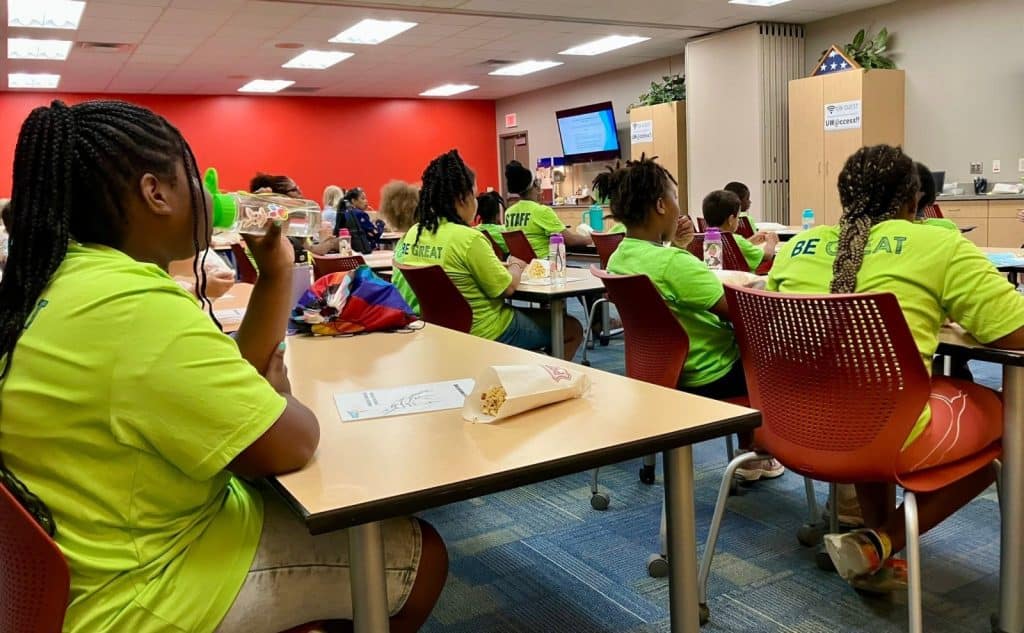
Community organizations will celebrate the Americans with Disabilities Act’s 36th anniversary while connecting residents with resources, technology, advocacy, and disability services across Muskegon.
Thirty-six years after the ADA became law, local organizations say it has changed millions of lives by making schools, workplaces, buildings, and public places more accessible to people with disabilities. But they also say there is still more work to do.
That is the message behind the annual ADA Celebration on Tuesday, July 21. Disability Network West Michigan, The Arc of the Lakeshore, the ACLU of Michigan, and MOKA are joining to celebrate the law and connect people with services, resources, and new ideas that help make the community more welcoming and accessible.
The free event will be held from 11 a.m. to 2 p.m. at United Way of the Lakeshore, 31 E. Clay Ave.
“I think it’s important to celebrate the ADA not just this month, but year-round,” says Will Wilson, CEO of Disability Network West Michigan. “To celebrate the ADA, it reminds us all of the hard work of advocacy and civil rights that have already been accomplished. But it also reminds us that there is still so much more to be done to promote inclusiveness.”
The Americans with Disabilities Act was signed into law on July 26, 1990. It protects people with disabilities from discrimination and helps ensure they have equal access to jobs, schools, transportation, public buildings, and other parts of everyday life.
Organizers say the celebration is not only about looking back at what has been accomplished over the past 36 years. It is also about looking ahead and finding new ways to make the community more accessible for everyone.
The Arc of the Lakeshore and Disability Network West Michigan once held separate ADA celebrations. They later joined to create one larger event that reaches more people and brings more organizations together to share information and resources.
“We’re really focusing on where we are today versus where we were 30 years ago — just how far we’ve come,” Pickel said.
The Arc’s mission
Founded in 1954, The Arc has grown from a small grassroots advocacy organization into a regional nonprofit serving Muskegon and Ottawa counties. The organization provides advocacy, education, and support for people with intellectual and developmental disabilities and their families.
“We’ve grown tremendously, both in the people we reach and in the advocacy we’ve been able to accomplish,” Pickel said.
Visitors to The Arc’s booth will learn about housing advocacy, special education support and disability rights.
Many people, Pickel said, don’t realize the legal protections already available to them.
“People with disabilities don’t know those laws,” he said. “Sometimes it just takes one phone call from us to help someone with a housing accommodation. It’s pretty simple for us, but for someone who doesn’t know the law, it’s very daunting.”
MOKA pushes for technology
While organizations continue to protect rights established through the ADA, MOKA is looking toward the next generation of accessibility.
“Our mission is all around inclusion, and when the ADA was enacted, it was really about getting included in the community — getting access to employment, access to facilities and being able to be a full participant in your community,” said Tracy Hamlet, chief executive officer of MOKA. “That’s truly what we push for at our organization.”

MOKA serves people with intellectual and developmental disabilities in Muskegon, Ottawa, Kent, and Allegan counties through residential services, employment supports and community-based programs that help people build skills as they participate in everyday life.
This year, MOKA plans to introduce visitors to its new Discovery Lab in downtown Muskegon, where people can explore assistive technology designed to increase independence.
“There’s a movement in the country called Tech First that’s about accessibility to technology for people with disabilities,” Hamlet said. “That’s one of the things we’re promoting.”
The national Tech First movement encourages organizations to consider technology as a first option for increasing independence before relying solely on traditional support services. While Michigan has not formally adopted the initiative, MOKA has launched its own Smart Home pilot, including a “Possibility Pod” demonstration space and homes equipped with assistive technology.
“We’re going to launch a Discovery Lab in our Muskegon office where people can explore different technologies that can make their lives easier,” Hamlet said.
The Discovery Lab eventually will allow visitors to test assistive devices before deciding whether they would benefit from using them.
“I think it’s the next wave of change for people with disabilities — technology and access,” Hamlet said.
She said this year’s ADA Celebration is also an opportunity to remind people why the law remains important.
“People with disabilities love the fact that they get access to community,” Hamlet said. “It’s a good time to celebrate and remind people why the ADA was put in place.”
ACLU promotes voting rights
The ACLU of Michigan will focus on another form of accessibility — ensuring every eligible voter can cast a ballot independently.
“We’re going to be bringing a lot of Know Your Voting Rights materials,” said Meghan Cullen, community engagement strategist for the ACLU of Michigan. “We just want to get this information into the hands of people who want their voices heard, so that they know what steps they need to take to vote in the upcoming election.”
The organization has partnered with Disability Network West Michigan and election officials to improve polling place accessibility throughout the state.
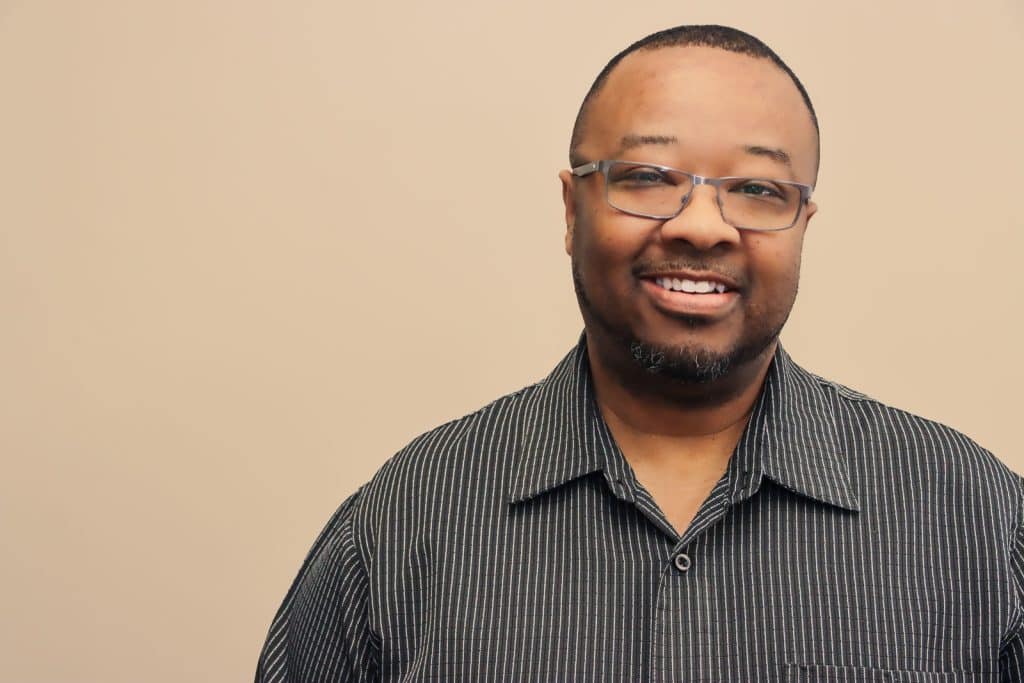
Earlier this month, ACLU representatives met with Muskegon County election officials to discuss early voting, accessible polling locations and ways to remove barriers for voters with disabilities.
Cullen said accessible voting machines allow users to enlarge text, adjust screen contrast, listen to ballots through headphones, all to help them vote more independently.
“When anyone goes out of their way to ensure that their services are accessible, we know that benefits everyone,” she said.
Visitors to the ACLU’s booth will find voter registration information, absentee voting guidance, Know Your Rights materials and information about constitutional protections.
“I go to a lot of these community events, and it’s one of my favorite parts of the job, being in the community,” Cullen said. “People often come up and ask questions that they just haven’t been able to find the answers to.”
Funding questions
The celebration also comes at a time when many disability organizations are facing financial uncertainty.
“The funding is very, very challenging,” Hamlet said. “Since COVID, there was funding to offset losses on the Medicaid side, but those funds are gone. Now it’s just a very challenging funding environment.”
Pickel said The Arc is facing similar pressures.
“We’re struggling just like everybody else,” he said. “We’ve never been in the position we’re in right now.”
Even so, he said the organizations remain committed to working together.
“It’s not a competition,” Pickel said. “It’s helping one another figure out how our nonprofits can stay afloat and help as many people as we possibly can.”
Visitors to the ADA Celebration will have opportunities to meet local organizations, learn about housing and employment services, explore assistive technology, register to vote and discover resources available throughout West Michigan.
For organizers, the event is about more than marking the anniversary of a law.
It is a reminder that creating communities where everyone can participate fully requires continued advocacy, innovation and collaboration.
The multi-regional Disability Inclusion series is made possible through a partnership with Centers for Independent Living organizations across West Michigan.
Photos by Tommy Allen and courtesy of DNWM and Tracy Hamlet
Author

Related Articles
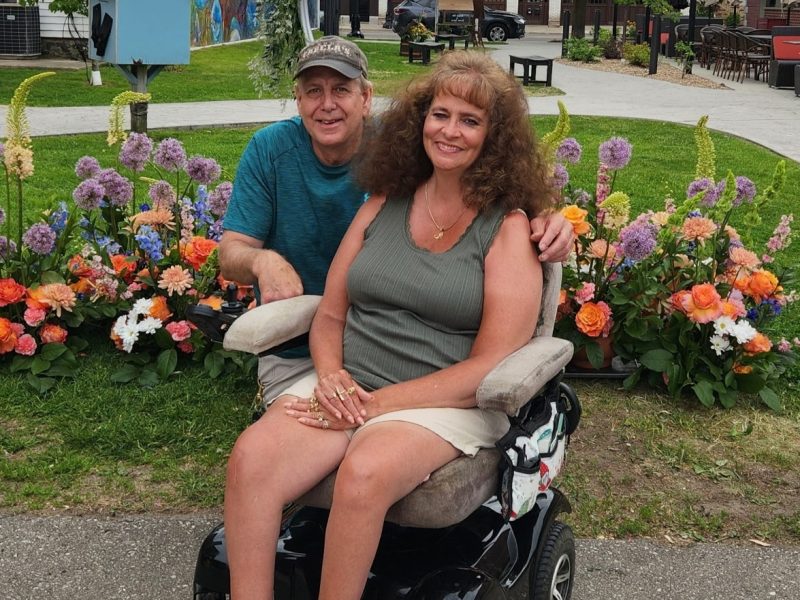
Alpena builds accessibility roadmap by listening first, improving public spaces for everyone
Alpena’s accessibility assessment helps prioritize affordable improvements, showing small communities how resident input can guide inclusive planning and investment.
How a gaming group created a friendship circle for people with disabilities
Disability Network Northern Michigan’s gaming group reduced isolation, inspired friendships, and even inspired an effort to create a nonprofit for railroad preservation.
Disability Network West Michigan expands rural accessibility services across northern counties
Residents in Oceana, Mason, Lake, and Newaygo counties gain disability services, transportation support, and accessibility resources.