People with disabilities deserve dignity, belonging, and ordinary lives, too
In this Shore Story, Muskegon resident Jeffrey VanDyke explores grief, disability, and fighting for our humanity: “We don’t just exist. We belong.”
This is part of the Shore Stories: Life Along the Lakeshore series, which includes columns by local and former residents about their lives.
It’s been a particularly difficult time to be part of the disability community.
Between the unexpected loss of actor and disability advocate RJ Mitte, changes to federal disability protections, and the heartbreaking shooting in a special education classroom, there’s been a lot to process.
These are very different circumstances, each deserving of their own attention. Yet together, they’ve reminded me of something that doesn’t always make the headlines: the emotional weight of belonging to a community still fighting to be seen, heard, protected, and valued.
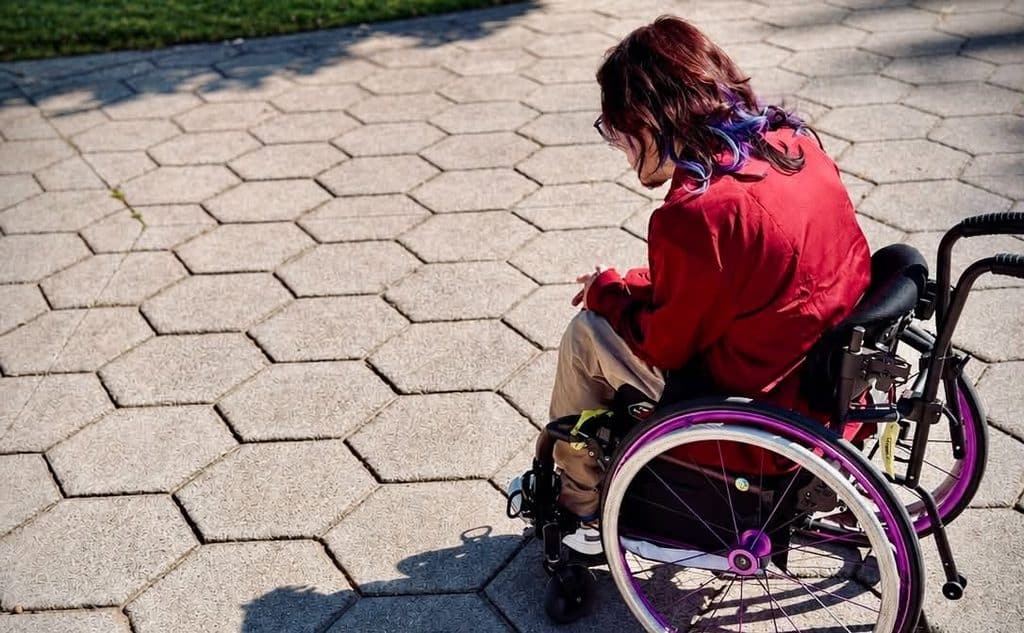
I was born three months prematurely and have lived my entire life with spastic cerebral palsy (CP), the most common type of a neurological condition affecting movement and muscle control. I use a wheelchair full-time, although CP affects everyone differently.
I’ve undergone more than 30 surgeries and spent much of my childhood in hospitals or recovering from procedures. Chronic pain and ongoing medical care have remained part of my life into adulthood.
But those experiences are only part of my story.
I’m also an artist, writer, advocate, friend, and someone who believes deeply in human connection. I’ve dedicated much of my adult life to disability advocacy because I want others to experience a world where their opportunities aren’t determined by someone else’s assumptions.
Perhaps that’s why recent events have felt so personal.
Expectations and burdens
When I learned of RJ Mitte’s passing, it affected me more deeply than I anticipated.
RJ was best known for portraying Walter White Jr. in the television series Breaking Bad. Like me, he lived with cerebral palsy. Growing up, I rarely saw people who shared my diagnosis represented in mainstream entertainment, especially in roles where disability wasn’t the entire story.
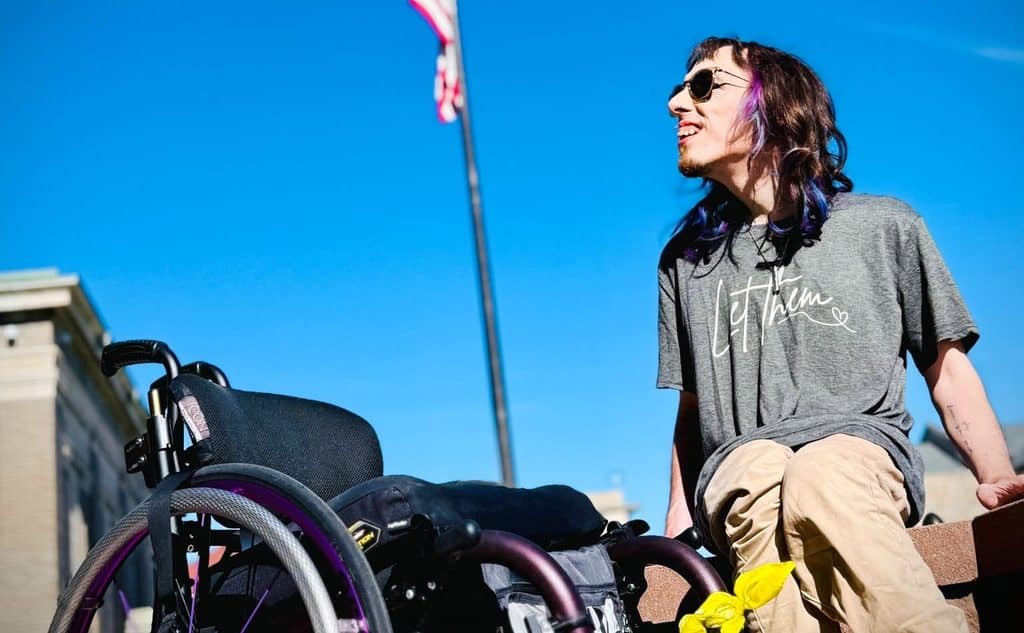
Seeing RJ succeed helped challenge those expectations and opened my eyes to possibilities I hadn’t always imagined for myself.
His death by suicide also reminded me of something we sometimes overlook when celebrating public figures, advocates, or people we consider strong: we don’t always know what someone is carrying behind the scenes.
I understand that reality personally.
Alongside cerebral palsy, I live with generalized anxiety disorder, depression, and medical PTSD. I’ve become more comfortable discussing these experiences openly, but that doesn’t make them easier to navigate.
There have been times when I’ve appeared confident and capable while privately questioning my own worth. I’ve struggled with feeling like a burden, even while spending much of my life trying to make others feel valued.
It’s a strange contradiction to recognize someone else’s humanity so easily while struggling to extend that same compassion to yourself.
Disability doesn’t automatically mean someone will experience mental health challenges, but chronic pain, medical trauma, isolation, discrimination, and the constant pressure to adapt can create additional emotional burdens.
RJ’s loss reminds me how deeply representation matters, but also how important it is to recognize the humanity of the people who provide it. We can admire someone’s accomplishments and celebrate their influence without expecting them to be endlessly strong.
We owe people the freedom to be human, not just inspirational.
Distressing reminders
While processing that loss, I’ve also been watching federal decisions raise new concerns about disability rights and protections.
Recent changes involving the right of disabled people to receive services in their communities, rather than being unnecessarily separated or institutionalized, have added another layer of uncertainty.
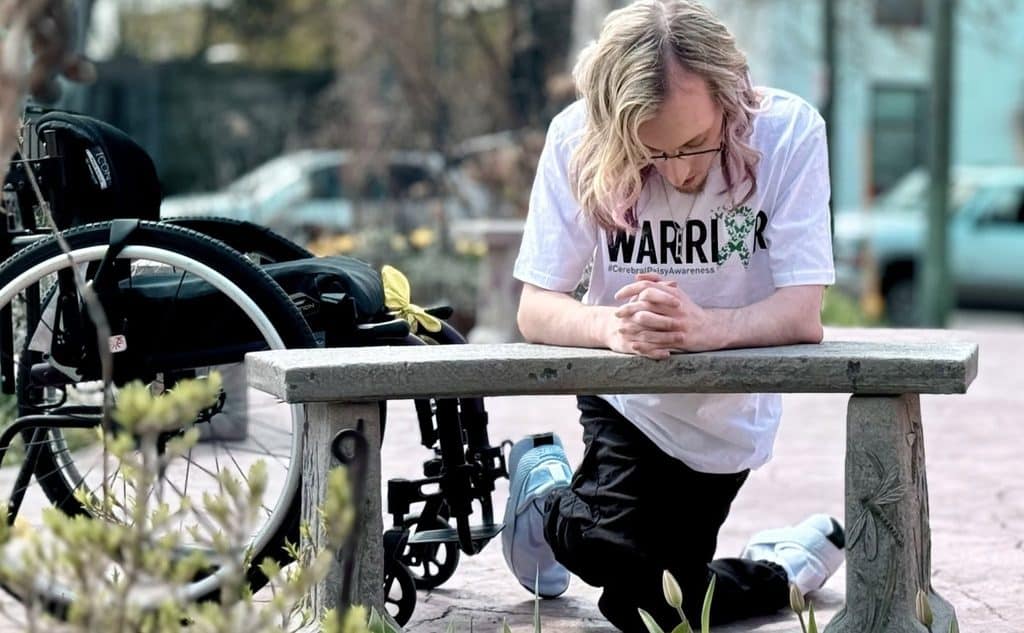
Although longstanding federal protections remain in place, decisions like these leave many of us wondering what the future holds. Will the progress generations fought for continue moving forward, or will we find ourselves defending the same rights all over again?
For those of us who depend on accessibility, inclusion, and the freedom to make choices about our own lives, these concerns aren’t simply political. They’re deeply personal.
Then came the heartbreaking shooting in a special education classroom in Oregon, where children and an educator lost their lives.
Without speculating about the motive, knowing where this tragedy occurred carries particular weight for those of us familiar with special education.
Schools should be places where children feel safe, build friendships, and discover their potential. Instead, families and a community are facing unimaginable grief. Those lives deserved futures filled with possibilities, not to become another heartbreaking headline.
When I look at these events together, I don’t see a single cause or identical circumstances. I see reminders of how emotionally demanding life can become for members of the disability community.
We grieve people who helped us feel represented. We watch decisions that may affect our independence. We mourn tragedies that shake our sense of safety.
And somewhere in the middle of it all, we’re expected to keep showing up. To educate, advocate, challenge misconceptions, and remain resilient.
I believe deeply in advocacy, and I consider it a privilege to use my experiences to help others. But caring deeply about the world doesn’t make someone immune to its weight.
Sometimes, the person encouraging everyone else to keep going is struggling to offer themselves that same reassurance.
The right to an ordinary life
Disabled people are often celebrated for their strength while being given very little room to express vulnerability. We’re encouraged to overcome obstacles, but rarely asked why so many of those obstacles continue to exist.
The truth is, I don’t want to spend my entire life proving that I’m worthy of the same opportunities, dignity, and consideration as everyone else.
I want to live.
I want to create art, build relationships, experience joy, make mistakes, pursue opportunities, and enjoy the ordinary moments that make life meaningful.
And I want those same things for every disabled person, regardless of their diagnosis, abilities, communication style, or level of support needs.
Our humanity shouldn’t depend on how independent, productive, accomplished, or inspirational others perceive us to be.
We should not have to be extraordinary to be considered worthy of an ordinary life.
Despite everything happening around us, I remain hopeful because I’ve witnessed what happens when people choose to recognize one another’s humanity. I’ve seen communities challenge barriers, create opportunities, and remind people that they matter.
Advocacy doesn’t always require a speech, an event, or a policy debate. Sometimes it means listening, offering reassurance, or simply making room for someone to rest.
To my fellow members of the disability community, I know things feel heavy right now. It’s OK to feel overwhelmed, frustrated, saddened, or simply tired. You don’t have to carry every injustice or turn every painful experience into an opportunity to educate someone else.
Our lives contain more than the struggles we face. We have relationships to build, laughter to share, dreams to pursue, and futures worth protecting.
Living with a disability isn’t inherently tragic. What is tragic is how often we must remind the world that our humanity is not up for debate.
Despite the noise, grief, and uncertainty, I hope we never lose sight of something important.
We don’t just exist in this world. We belong in it.
And no amount of noise should ever make us forget that.
Jeffrey VanDyke is an artist and a peer mentor at Disability Network West Michigan.
Related Articles
Spring Lake Sparkle brings holiday cheer and help to families
Spring Lake Sparkle aims to raise $10,000 with The Salvation Army to help local families buy food and holiday gifts.
Holland author unleashes “The Beast of Misery” for Halloween readers
Holland author Myron Kukla follows “Murder at Tulip Time” with “The Beast of Misery,” a new thriller arriving for Halloween.
Cal Langejans: The Music Man who shaped Holland’s sound
In this Shore Story, Bruce Hekman explores how Cal Langejans enriched Lakeshore communities through music, leadership, and a lasting legacy.