Holland history: The downtown revival
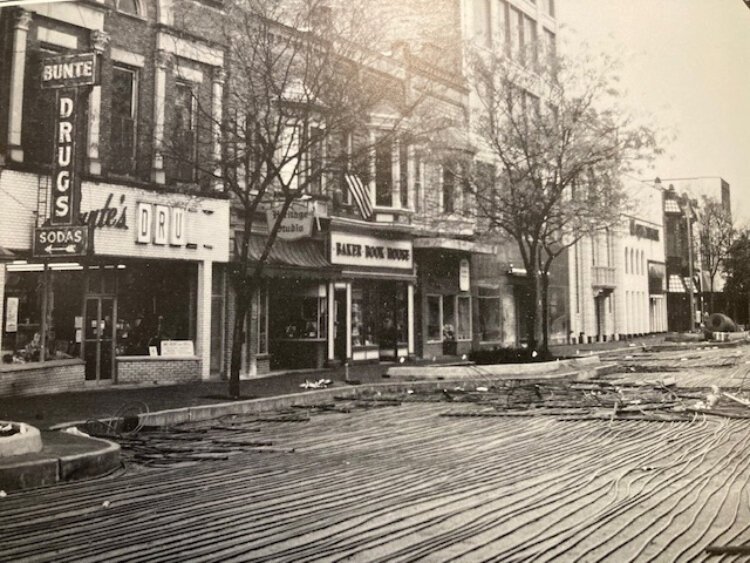
Holland's downtown nearly perished with the rise of malls in the 1980s. However, innovation helped the area and the merchants thrive.`

Editor’s note: This is the second in a 10-part series on the history of the Holland area.
Although the creation of the Holland Outlet Mall and Westshore Mall in the early ‘80s looked like the doom of downtown Holland, both malls, in fact, failed and were forced to reinvent themselves while Holland’s downtown thrived.
The survival of downtown was the result of numerous factors:
- A strong merchants association rallied to underwrite free downtown parking and beautification projects.
- The Prince family, Holland’s largest industrial employer, invested heavily in rescuing and reviving old and empty buildings. They began with the five-story former Steketee building (now Butch’s Dry Dock), followed by Tower Clock and numerous other downtown buildings.
- Prince recruited other industrialists into forming a “quiet” investment group that built the first new buildings downtown in decades, starting with the Curtis building at Seventh Street and College Avenue. The group invested under the mantra that world-class industries don’t prosper in cities with third-rate downtowns.
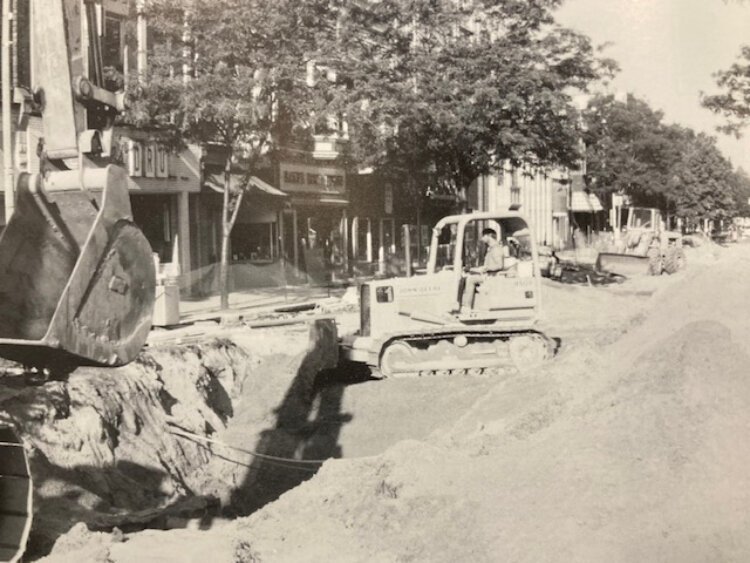
- The highway business route had been moved from Eighth Street to the adjoining one-way Seventh and Ninth streets, creating opportunity for major “streetscape” enhancements. Support for these came through joint partnership between City Hall and the business community.
- With industrialist Ed Prince leading the initiative, an abundant source of warm water from the old coal-fired power plant was routed underneath downtown streets and sidewalks in a “Snowmelt” network that makes downtown shopping hospitable even in winter and set Holland apart and has grown into the largest downtown Snowmelt system in North America.
- Freedom Village built 350 upscale senior housing units on the edge of downtown, helping reverse the mindset of previous eras that downtown was no longer a desirable place to live.
- That trend has continued with trendy upper-level residential apartments, and conversion of former commercial buildings to residences. A nation that once abandoned inner city living is now returning to city centers.
- Hope College became a downtown stakeholder with purchase and renovation of the Knickerbocker Theater, the Anderson/Workman building, and the former Lincoln Mercury dealership, which is currently in a holding pattern, but surely destined for a higher use.
- Westshore Mall was a small mall with Class B anchor stores. When Rivertown Crossing Mall was built just down the road in Wyoming, it drew many Holland shoppers, leaving local malls — especially their department stores — struggling.
- America reawakened to the character and attractiveness of historic downtowns and locally owned businesses, while the novelty of malls filled with national chain stores began to wane.
The pandemic of 2020 again challenged the survival of many small businesses, as well as many larger national chains. Unlike 1983, however, when competition for survival was largely centered on location — mall versus downtown — new survival battle lines have been drawn between “shopping small” at brick-and-mortar shopping versus the convenience of online. The future of downtowns as retail centers continues to be fragile and vulnerable.
Dale Wyngarden worked for the city of Holland for three decades, much of that time overseeing the Planning and Development Department during the revitalization of the downtown. Now happily retired, he spends his time writing and gardening.
Author

Related Articles
West Coast Chamber’s Community Impact Day of volunteer service expands nationwide
Thousands volunteered nationwide during West Coast Chamber’s fifth annual Community Impact Day, strengthening communities through coordinated service and collaboration.
Rule of law fuels American dream, Law Day reminds us
In this Shore Story, Kevin J. Bowling explains how the legal system protects rights, builds trust, and sustains opportunity and fairness across communities and institutions nationwide.
Gentex engineers help nonprofits improve efficiency
Gentex engineers apply manufacturing skills to streamline donations, boost volunteer impact, and expand services at Community Action House and Kids’ Food Basket.