Broadband helps rural aviation company compete in global markets
Ann Grahek says expanded broadband service helps her Ottawa County aviation business communicate globally and support customers faster.
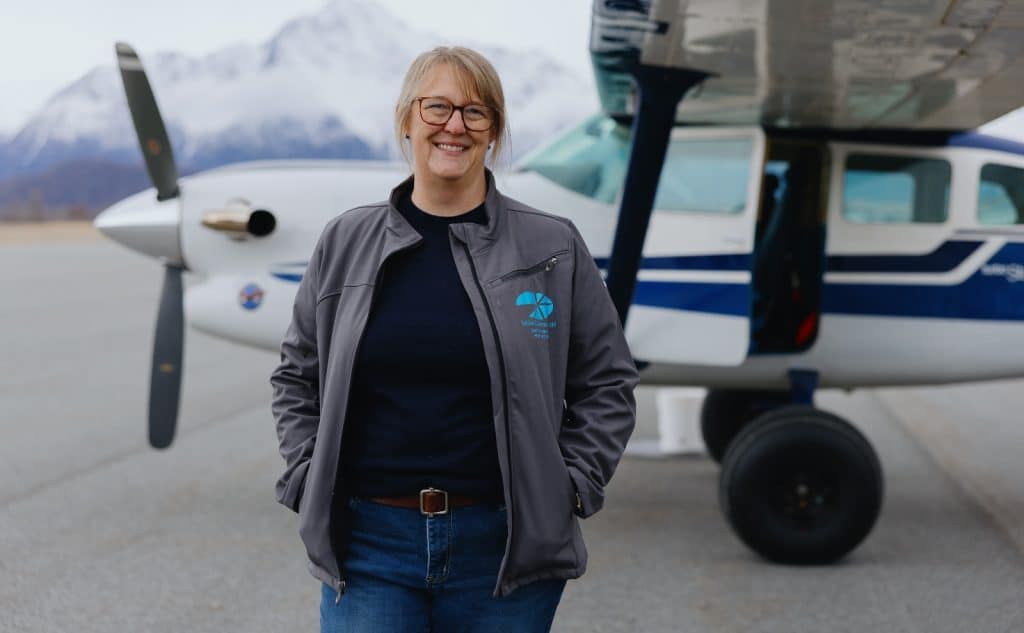
Ann Grahek’s family-owned aviation company, Turbine Conversions, has customers around the world. It makes equipment for airplanes used in farming, wildfire fighting, mosquito control, and conservation work. Its Akadi C206 aircraft is also used for transport jobs in remote places.
Being in rural Nunica was difficult when internet service was slow. It was hard to send large files, hold video meetings, and stay connected with customers in other countries.
Grahek says better broadband service changed that.
“Reliable high-speed internet is more important than ever, as more than 80% of my workday depends on it,” Grahek says. “Without it, we simply cannot operate efficiently.”
Spectrum expanded internet service in parts of Ottawa County through its Rural Construction Initiative, a multi-year effort to expand broadband access in rural communities, including 800 locations countywide.
“What’s exciting is we are getting the same speeds in Nunica as a business in New York City,” Grahek says.
The Lakeshore WM connected with Grahek to learn more about her business and how expanded broadband is helping her family business compete in a global market.
The Lakeshore: Turbine Conversions is a family-owned aviation manufacturer based in rural Nunica that serves customers around the world. Can you describe the scope of your work, how your company contributes to the local community, and why you have chosen to grow your business in a rural setting?
Ann Grahek: Turbine Conversions designs and manufactures specialized aircraft equipment and turbine conversion systems that make working aircraft more capable, efficient, and reliable. Since 1990, our company has supported operators around the world, particularly in agricultural aviation, where aircraft are used to apply crop protection products, seed forests for conservation, support mosquito control and public health programs, and assist in wildfire response efforts.
We also produce the Akadi C206, a turbine-powered aircraft conversion designed to provide greater reliability, performance, and versatility for operators working in demanding environments and remote regions around the world.
As a family-owned manufacturing company based in rural Nunica, TCL contributes to the local economy by providing stable, high-skilled jobs and supporting Michigan families. We are proud to have employees with decades of experience, and many members of our team have been with the company for more than 10 years. Beyond employment, we are committed to preserving skilled manufacturing and aviation trades within our community.
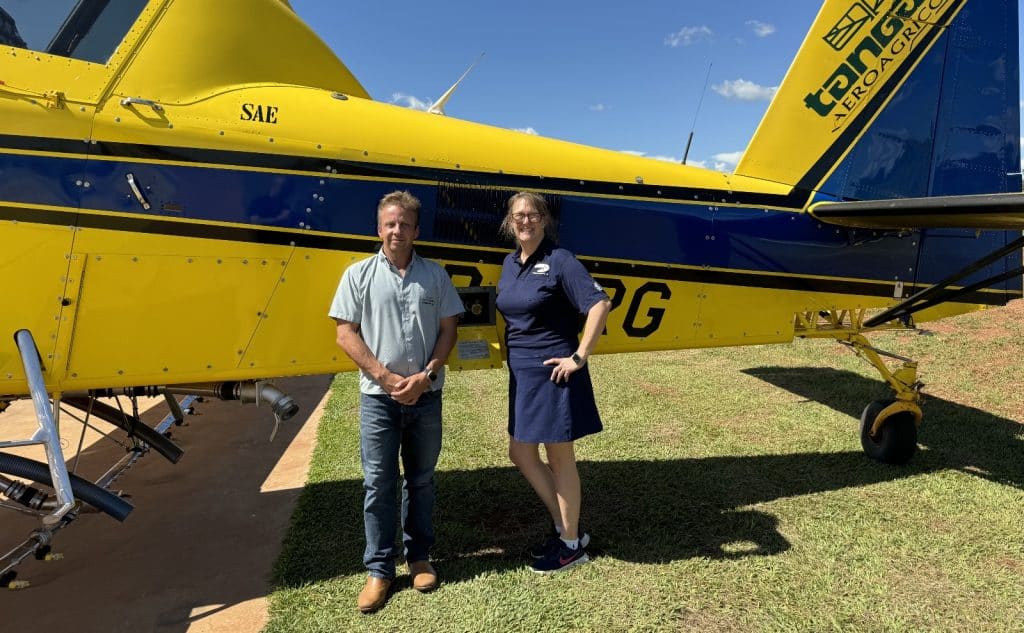
Remaining in rural West Michigan has always been important to our family and our business. This is where the company was founded, and our roots in agriculture and aviation are deeply connected to the community. Our rural location also provides practical advantages for the type of work we do, including space for aircraft operations, manufacturing, testing, and inventory, while keeping us closely connected to the agricultural industry we serve.
At the same time, although we are based in a small rural community, our business operates on a global scale. As we continue to grow internationally, it is extremely important that we remain accessible and responsive to customers around the world. Advances in technology and communication allow us to maintain strong relationships with operators globally while continuing to build and manufacture our products here in rural Michigan.
TL: Small manufacturers like yours often play a key role in local economies. How many people do you employ, and what role does your company play in the community?
AG: Small rural manufacturers like Turbine Conversions play an important role in creating stable, skilled jobs and supporting the local economy. TCL has been part of the Nunica-area community for more than 35 years. Today, we employ about 20 people, supporting Michigan families through high-quality manufacturing, engineering, sales, and support positions.
We are proud that the average TCL employee has been with us for more than 10 years. That kind of longevity reflects the stability of our company and the commitment of our team. As a family-owned business, we see our role as more than manufacturing products — we are helping preserve skilled trades, support local families, and contribute to the strength and resilience of our rural community.
TL: Your company works across industries, including agriculture, public health, and wildfire response. Where are you seeing the most demand right now, and how has that changed in recent years?
AG: Because TCL supports agricultural aviation around the world, demand is constant but often shifts geographically. Right now, one of the strongest growth areas we are seeing is Brazil, where agricultural aviation continues to expand across multiple sectors.
The same aircraft we equip for agriculture are also being used to support public health, protect natural resources, and respond to wildfires. These aircraft help produce healthy, abundant food supplies, control pests and disease, and provide aerial firefighting support when communities and natural resources are at risk.
TL: Reliable internet has become essential for many rural businesses. How does broadband factor into your day-to-day operations, and which parts of your work depend on it most?
AG: Reliable high-speed internet is more important than ever, as more than 80% of my workday depends on it. Without it, we simply cannot operate efficiently. We rely on high-speed internet to support our business systems and maintain communication with customers, vendors, and regulatory agencies. For instance, I can now communicate regularly with international partners around the world, especially in Brazil, where we conduct a significant portion of our business, and reliable connectivity is critical to maintaining those relationships. We are now able to provide virtual technical support, hold seamless teleconferences, and maintain clear, consistent communication without interruptions.
TL: High-speed internet access has expanded in your area in recent years. When did you first get reliable broadband, and what has changed for your business since then, in terms of growth, hiring, or day-to-day operations?
AG: We were fortunate to have a company like Spectrum that has invested in rural broadband throughout Michigan, including Ottawa County, over the last few years. We were connected by Spectrum in 2025 as part of its rural broadband initiative, which will deliver symmetrical, multi-gigabit speeds across the state. What’s exciting is that we are getting the same speeds in Nunica as a business in New York City. High-speed broadband is essential for rural businesses to remain competitive. It enables companies like ours to stay connected globally, operate efficiently, and continue growing without being limited by location.
Author

Related Articles
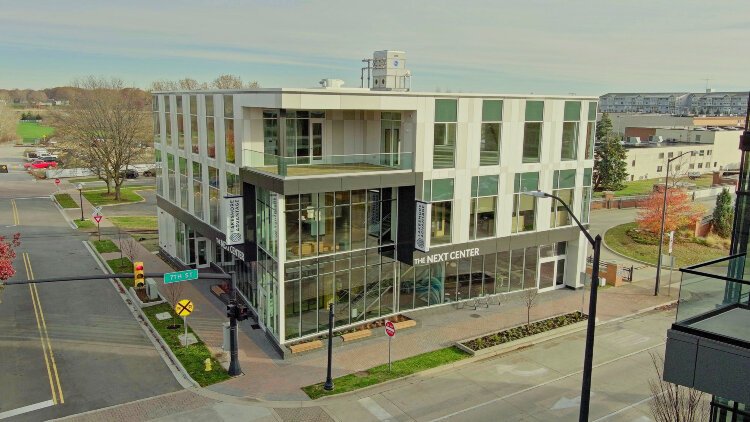
Lakeshore Advantage wins national award for downtown Holland’s Next Center
Lakeshore Advantage’s Next Center earned national recognition for supporting entrepreneurship, small businesses, and regional economic development through collaboration and innovation.
Professional organizer helps families declutter homes during difficult life transitions
Former banker Melissa Robitaille helps families declutter homes, manage grief, and regain usable living space during major transitions.
‘Clarity creates connection, and connection builds support’ across Lakeshore
In her Shore Story, Shelly Millen writes about her mission to help nonprofits communicate clearly so communities can better understand their work and offer meaningful support.