Disability Network West Michigan expands rural accessibility services across northern counties
Residents in Oceana, Mason, Lake, and Newaygo counties gain disability services, transportation support, and accessibility resources.
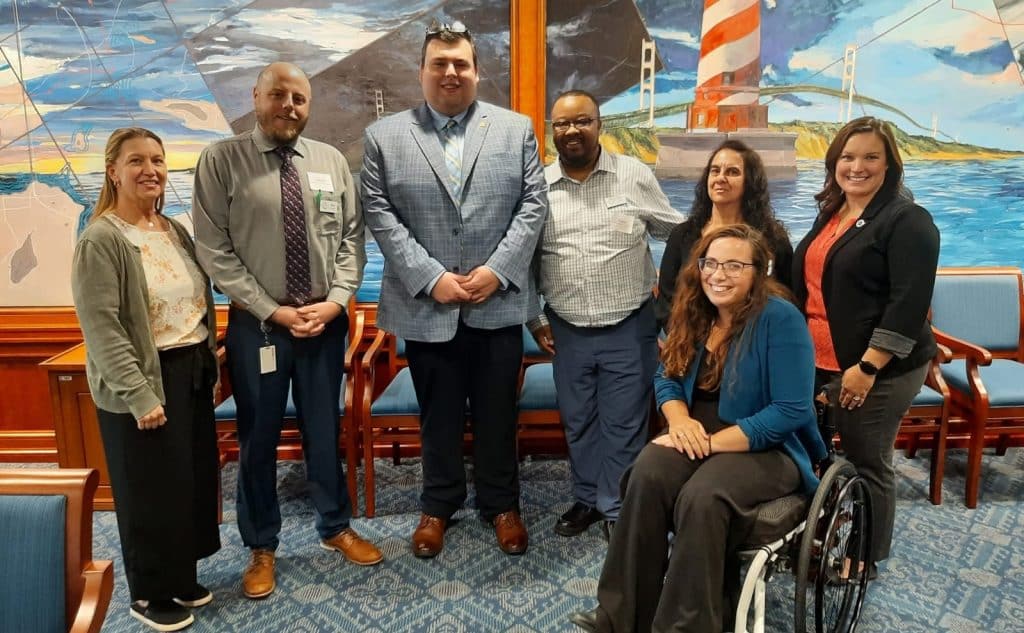
Living in rural West Michigan requires long drives to get to places. For those who cannot drive, especially people with disabilities, getting to doctor visits, job interviews, school events, or community activities is challenging.
That need is one of many that Disability Network West Michigan steps up to meet in Oceana, Mason, Lake, and Newaygo counties, where services are far away, and public transportation is limited or unavailable.
“One of the challenges I face, and many people face, is that Newaygo County doesn’t have a public transit system at all,” says Stephanie Deible, chair of the board for Disability Network West Michigan (DNWM).
Deible, who lives in Newaygo County and uses a wheelchair full-time because of cerebral palsy, says transportation barriers affect nearly every part of life for people with disabilities living in rural communities. DNWM provides transportation assistance programs in some counties or helps residents connect with transit and mobility resources.
DNWM, which has its main office in Muskegon, also extends other services into surrounding counties, connecting residents with accessibility services, youth programs, employment assistance, and community resources.
Staff members and board leaders say the organization’s work focuses on helping residents navigate systems that can otherwise feel overwhelming or out of reach.
‘Smart hub’ for disability matters
Staffer Danielle Bennett, who works throughout Oceana, Mason, Lake, and Newaygo counties, says the organization provides transportation coordination, mobility assistance, accessibility advocacy, employment support, and one-on-one guidance for residents who may not know where to begin.
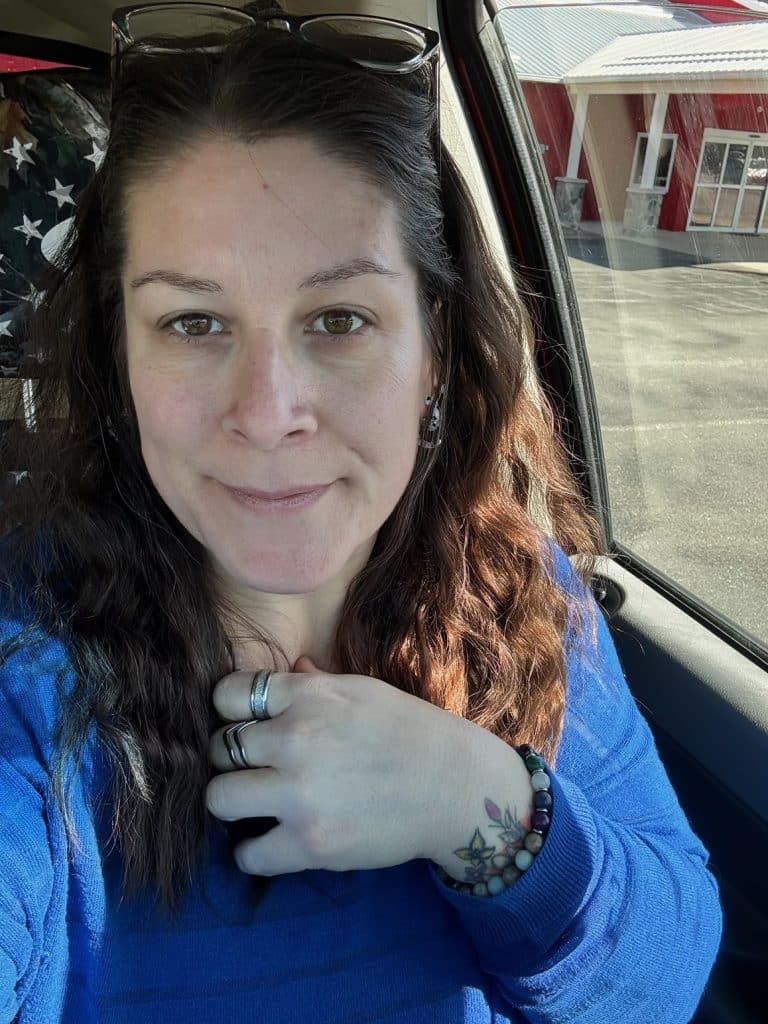
Bennett says her transportation program currently serves about 90 residents in Oceana County and works with 26 drivers who help residents get to appointments, jobs, and activities. Access to transportation impacts whether someone can maintain employment, receive medical care, or participate in community life, board members say.
“We are kind of the smart hub of anything disability or accommodation or accessibility related,” Bennett says. “If you don’t know where to start, start with us.”
Bennett says many residents mistakenly believe they must receive federal disability benefits to qualify for support. However, the organization uses a self-disclosure model, allowing residents to seek assistance if a disability affects their daily lives.
Jamie Spore, a Ludington resident who joined the organization’s board in December, says many Mason County residents still are not aware DNWM serves their area.
“We are self-disclosed, so if you tell me you have a disability and that it impacts your day, I’m going to provide service to you,” Bennett says. “Everything we do is completely free of charge.”
“I don’t even think, honestly, that a lot of people in Mason County even know that Disability Network is out there,” Spore says. “I’m excited to spread the word about that, and to just open up opportunities for people.”
Spore says the organization’s work with residents often takes place in familiar settings and public spaces, reducing barriers for people who are intimidated by larger agencies or formal office settings.
She points to staff member Meresa Salisbury, who regularly meets residents at the Ludington branch of the Mason County District Library.
“Meresa goes to the library and meets with people with disabilities to connect them to resources in the community,” Spore says.
Part of the community
Disability Network West Michigan also works to reduce isolation through peer support and youth programs.
The organization’s Ignite youth group in Newaygo County brings young people together for activities, leadership development, and peer support.
“The youth groups create a sense of community, a sense of belonging,” Deible says. “It really helps to minimize the barriers and isolation that folks might be facing.”
Spore and Deible share a longtime friendship through their advocacy work. Both women are former Ms. Wheelchair Michigan winners and have known each other for about a decade. Deible previously served as the executive director of the Ms Wheelchair America program.
That assistance can include helping residents apply for services, locate transportation options, identify employment resources, or connect with community agencies.
Deible says representation matters when discussing accessibility and inclusion in rural communities.
“I think representation in itself is very important,” she says. “The more that we can access things, the more that we are out in the community, the more we are able to be thriving and be a part of the community.
“I’ve lived here all my life and am definitely used to rural living, having to travel long ways to access resources,” she says
Bennett says staff members in rural areas often juggle many responsibilities because they must cover large areas.
“In our outlying counties, we all kind of have to know a little bit of everything to make it as convenient as we can for the consumers,” Bennett says. “Just having one point-of-contact person tends to be easier for the people we serve.”
Accessibility advocacy
DNWM also educates organizations about accommodations, accessibility standards, and disability inclusion. One way of doing so is by reviewing buildings for accessibility and providing inclusion training for schools, businesses, and community organizations.
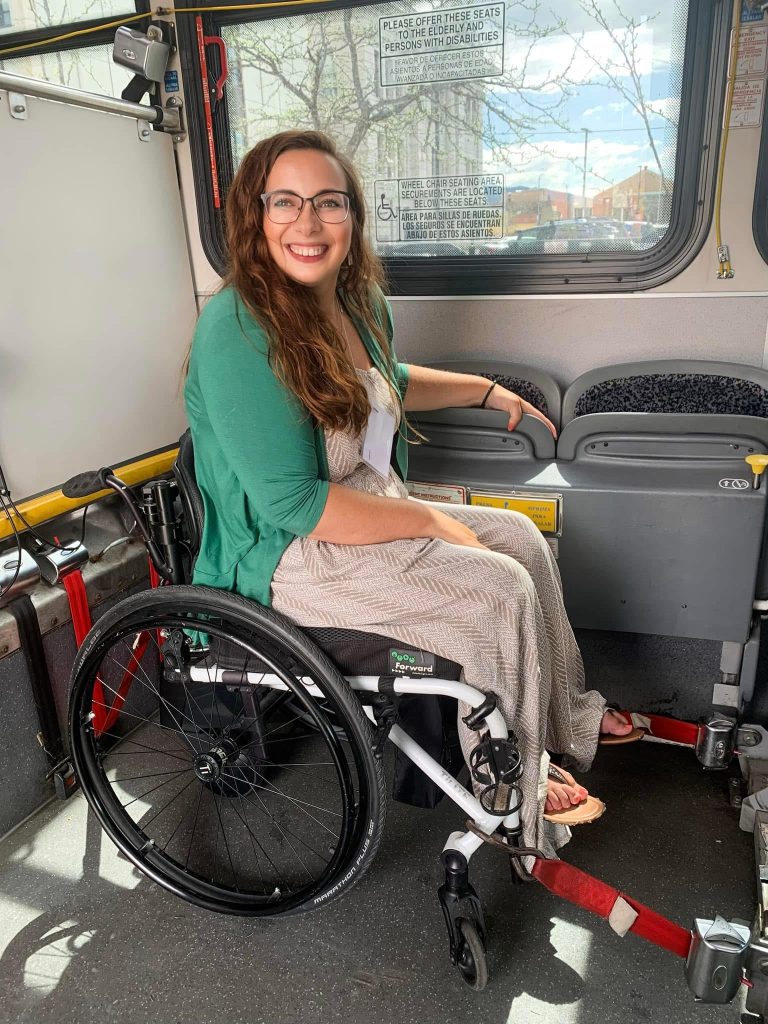
“If businesses or entities are interested in having an assessment done to see what can be improved, that is something that we can certainly help them with,” Deible says.
Community events also play a role in outreach efforts and accessibility advocacy.
Upcoming activities include a free fishing day and a dedication ceremony for an accessible fishing dock in Oceana County. Advocates say projects such as accessible docks, trails, and recreation areas create more opportunities for residents with disabilities to participate in outdoor activities.
Spore says those events help raise awareness while creating opportunities for inclusion.
“Any opportunity to talk about and promote accessibility is just really important,” says Spore, a paraplegic born with spina bifida, who leads by example by taking part in activities at the Muskegon Luge Adventure Sports Park. The nonprofit that operates the park works with DNWM to make it as accessible as possible for as many people as possible.
The organization is also planning an Americans with Disabilities Act celebration later this summer in Muskegon.
Board leaders say rural outreach remains a long-term priority because many residents still are not aware of available services or accessibility resources.
“Disability Network West Michigan is really trying to grow our northern counties,” Deible says. “We’re here to help. We’re here to spread awareness about accessibility and the need for it.”
Bennett says the organization’s work often starts with listening to people and helping them identify practical next steps.
“Obviously, we’re not genies. We can’t magically fix everything. But everybody who works for Disability Network is here because we care about people,” Bennett says. “Sometimes just having a listening ear can help a lot of people.”
Photos courtesy of DNWM
The multi-regional Disability Inclusion series is made possible through a partnership with Centers for Independent Living organizations across West Michigan.
Author

Related Articles
Adaptive recreation opens West Michigan adventures to people with disabilities
West Michigan recreation groups are removing barriers through adaptive equipment, creative problem-solving, and partnerships that give people more ways to participate.
Alpena builds accessibility roadmap by listening first, improving public spaces for everyone
Alpena’s accessibility assessment helps prioritize affordable improvements, showing small communities how resident input can guide inclusive planning and investment.
July ADA Celebration brings advocacy, resources, inclusion to Muskegon County communities
The free July 21 event celebrating the ADA’s anniversary connects residents with disability resources, assistive technology, voter information, and advocacy organizations.