
Meals on Wheels transition increases flexibility, choice for Allegan County seniors
New program offers frozen meals, flexible delivery, and added support, helping homebound Allegan County seniors maintain independence and better manage health.
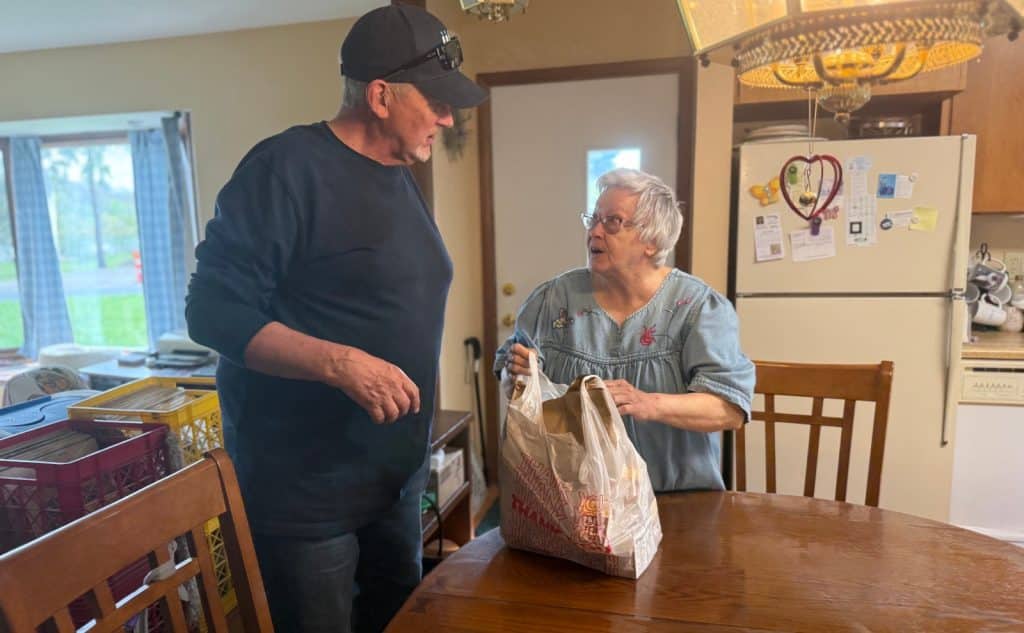
When Mary Ellen Glunz opens her freezer in her Douglas home, she sees more than meals. She sees a way to stay in her longtime home.
“Within minutes, my dinner is ready, and I don’t have to cook it or clean it up,” she says.
After a recent hospital stay and weeks in rehabilitation, Glunz returned home still weak and unable to shop or prepare food on her own.
“It was very much a blessing to have Meals on Wheels,” says Glunz, 76.
Her experience reflects a broader change in Allegan County, where officials transitioned the senior home-delivered meal program this spring to Meals on Wheels of Western Michigan. The update expands options, adjusts delivery schedules, and builds in more contact between drivers and the people they serve.
Meals on Wheels Western Michigan had already been serving nearly 200 Allegan County residents since 2016 through state and federally funded aging programs, giving county officials familiarity with its services before expanding its role.
The Allegan County Board of Commissioners approved the change in late February. The transition took place over March and April without interrupting service.
Adding flexibility, choice
County officials say the update gives seniors more control while continuing regular contact through deliveries. The new service provides a menu of frozen meals rather than ready-to-eat food, so recipients can decide when and what they eat.
The change did raise concerns, particularly about trust.
One older resident who is blind and lives alone initially struggled with the transition. The shift meant adjusting to a new system and allowing unfamiliar drivers into her home, creating uncertainty about safety and routine.
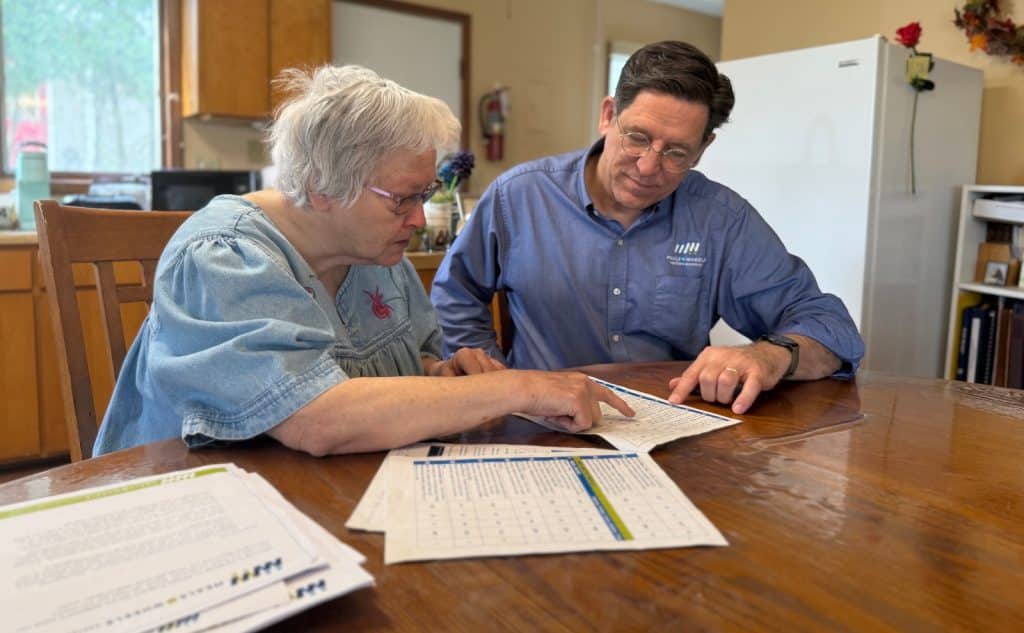
“I personally went to her house to make sure that she was set up and communicated with for this transition,” says Jenifer Garcia, director of Allegan County Senior & Veteran Services.
Over time, her comfort level improved.
“The last report I got was that her meal delivery driver is now coming into the home to help assist her as needed with meal preparation,” Garcia says.
That kind of trust develops through small interactions, says Dave Gilman, director of advancement for Meals on Wheels Western Michigan.
“People are interpreting everything that happens through their own lens,” Gilman says. “They’re trying to understand, ‘Is this person going to be my regular driver?’ So we really have to manage expectations.”
Adding flexibility
The transition began with a request-for-proposals process to identify a program that best met the needs of older residents, says Mary Campbell, a member of the Allegan County Commission on Aging board.
“It wasn’t just about hot versus frozen meals. It was about looking at everything – variety, reliability of delivery, and flexibility for seniors,” Campbell says.
Campbell says scheduling was a frequent challenge under the previous system.
“People assume homebound seniors are always home, but as you get older, you have more doctors’ appointments,” she says. “It’s hard to be there five days a week to receive a meal.”
The updated approach allows seniors to receive multiple meals, usually two or three times a week. Under the previous system, deliveries were five days a week, requiring recipients to be home every day. Only one person has opted to stay on that schedule.
“A huge number of people told us that being home five days a week to receive meals is a big inconvenience,” Gilman says. “Now we can deliver two or three days a week, and people are saying it’s so much more convenient.”
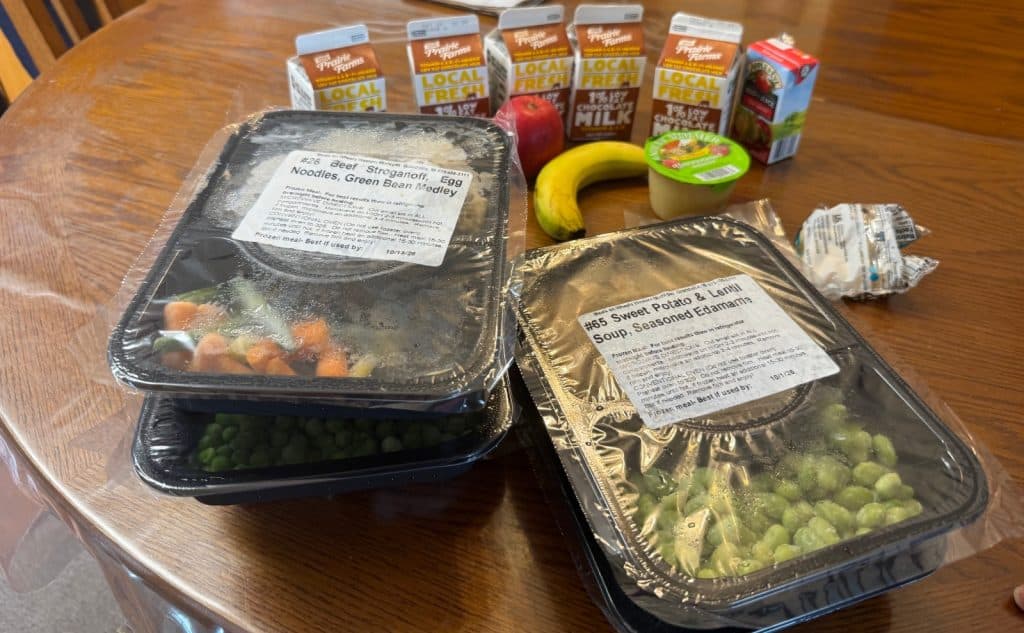
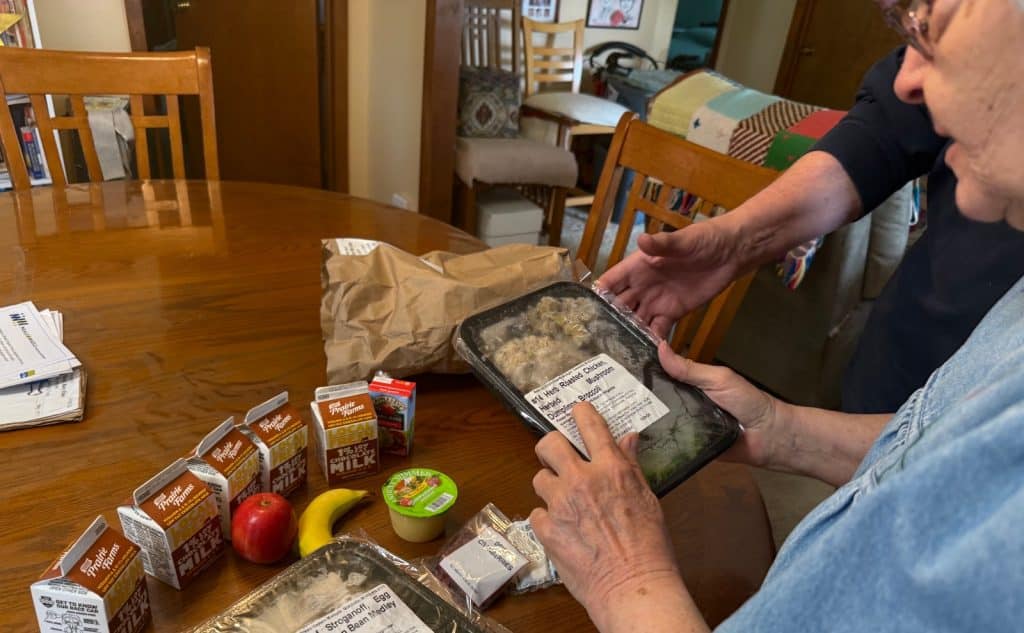
Participants select meals from a menu with about three dozen options. Meals are delivered frozen and can be heated when needed.
“We have 37 items on our menu right now, so people get real choices,” Gilman says. “Instead of saying, ‘Yeah, that’s good enough,’ they can find something and say, ‘That’s something I definitely want to eat.’”
Glunz says that flexibility helps her manage her health.
“I like that everything is balanced. You get protein, carbs, and vegetables, and I can track what I’m eating,” she says.
Campbell says frozen meals can also better preserve nutrients.
“With hot meals, if you don’t eat them right away, they start losing nutrition,” she says. “With frozen meals, especially flash-frozen vegetables, that nutrition is maintained.”
Choice plays a role beyond nutrition.
“When you’re homebound, you have very little choice in your life,” Campbell says. “The ability to choose your meals is a big deal.”
Drivers do more than just deliver
Drivers remain a central part of the program, not only delivering meals but also checking on clients.
“They can enter the senior’s home at the time of meal delivery and, if requested, that driver can assist with little helpful things,” Garcia says, including placing meals in a freezer or taking out the trash. “Those little things have been a huge satisfier for our seniors.”
Allowing drivers into homes when invited helps staff identify other needs.
“If drivers are allowed in, they can see what else might be going on,” Campbell says. “Maybe someone needs a walker or has another issue they haven’t reported.”
Glunz says support services beyond meals also help her stay at home. Comfort Keepers provides in-home support for a few hours a week to help her discard things she’s collected over the years so she has space to move around.
She also uses a medical alert system provided by the senior millage program after she had a fall and was unable to get up.
“I had a situation where I ended up on the floor and had to crawl to the door to let emergency responders in,” she says.
Drivers cover large areas each day.
“I’ve got about 35 deliveries today, usually anywhere from 175 to 200 miles,” says Jack Door, who makes the Meals on Wheels deliveries to Glunz.
Despite the distance, the interactions matter.
Door jokes he is “just the driver,” but he does more than deliver meals. He checks in on clients, makes sure they have what they need, and brings a smile and a few jokes along the way.
Garcia says those visits often are the only regular contact some seniors have and provide another layer of visibility into how someone is doing at home.
“The drivers were their lifeline to the outside,” she says.
Gilman says the program also responds to practical barriers that can prevent people from fully using the service.
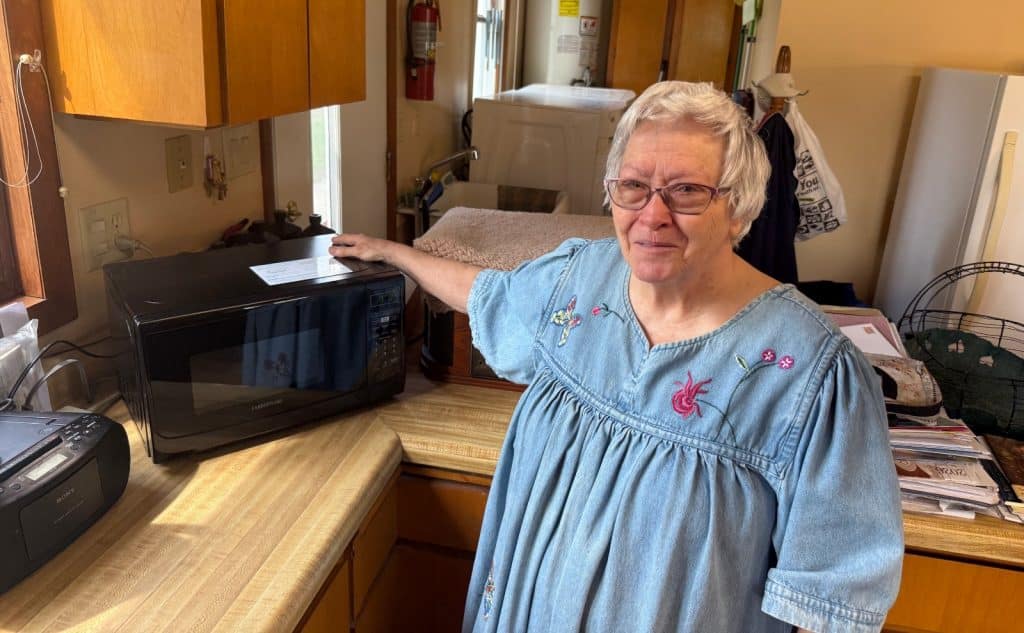
“We have donors who help us provide microwaves at no cost for clients who need them,” he says.
Glunz recently received one after her previous microwave stopped working.
“When they heard I needed a microwave, they found one for me and had it delivered,” she says. “I’m so grateful. I can’t tell you how much it means.”
It was time for a change
Campbell says the county had to weigh continuity against potential improvements.
“It was a hard decision because we had a longtime provider,” she says. “But when you see the added benefits for seniors, you have to consider that.”
The county continues to partner with the provider on other services. “We will still send referrals there for the programs their agency provides for the community,” Garcia says.
To be eligible for the Senior Services program, a person must be age 60 or older, a county resident for at least 60 days, and demonstrate a need for assistance.
The service is funded in part through the county’s senior millage and administered by the Allegan County Senior & Veteran Services Department, along with other programs that support in-home services for older adults.
Campbell says the focus on those with the greatest need remains constant as the county evaluates services.
“These are some of our most vulnerable residents,” she says. “We need to make sure we do the best we can for them.”
Author

Related Articles
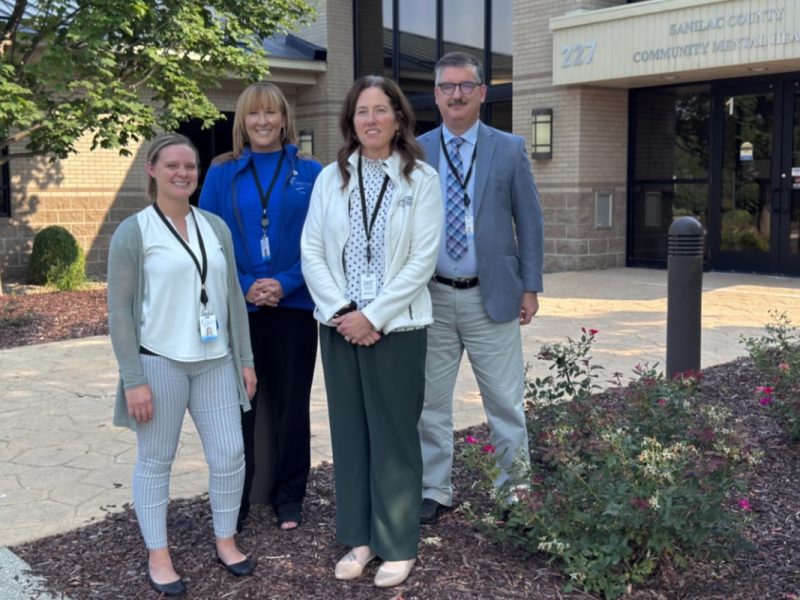
What Allegan County behavioral health leaders say rural clinics need to expand care
Behavioral health leaders in Allegan, Sanilac and St. Clair counties say flexible service models, regional partnerships and start-up funding could help more rural communities expand access to care.

The Farm Bill, SNAP, and the childcare connection
SNAP helps families meet all basic needs, including childcare.
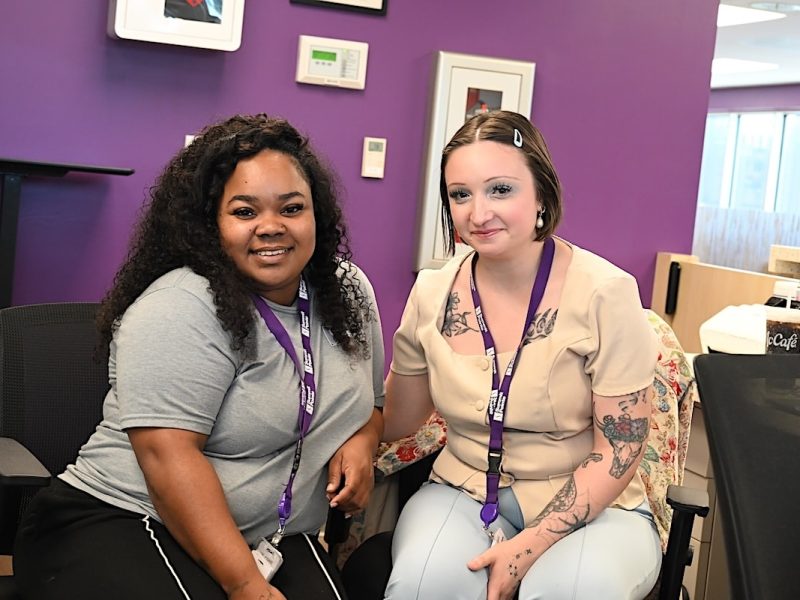
Mental health crisis care without an ER wait
Mental health urgent cares and crisis stabilization units provide immediate access to mental health services.