Tailored internship prepares student who is blind for social work
Disability Network West Michigan shapes internships to students’ needs, helping Miracle McCloud gain skills and confidence for a social work career.

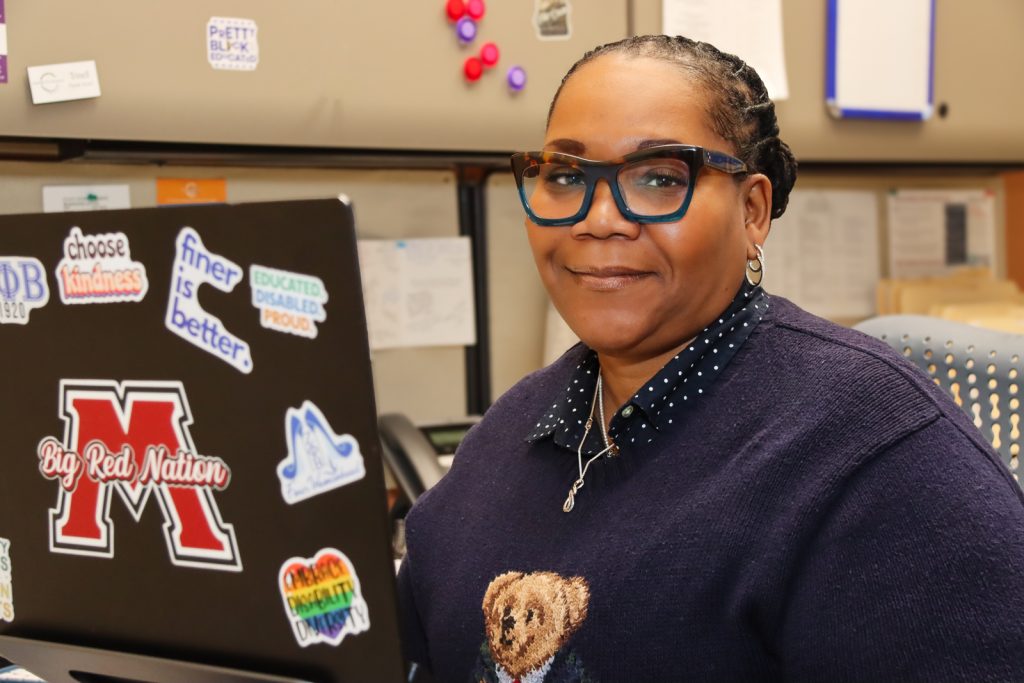
When Miracle McCloud started a summer internship at Disability Network West Michigan, she wondered if she could succeed as a social worker while being blind.
By the end of the 10-week experience, she had an answer.
“It gave me the opportunity to say, ‘Yes, I can do this — and do all of that and more,’” McCloud says.
McCloud, 39, is a straight-A student studying social work at Muskegon Community College. Her internship provided practical experience while letting her watch professionals with disabilities help others live more independently.
“I don’t know if you know how some people are discounted or counted out because of their disability,” she says. “To be involved in an organization that helps other individuals with disabilities become more independent while they are living independent lives is actually pretty cool.”
The internship is part of Disability Network West Michigan’s work to help people with disabilities prepare for jobs and give college students experience in their chosen careers. The organization serves people with disabilities in Muskegon, Newaygo, Oceana, Lake, and Mason counties.
Matching individual needs
Trinell Payne-Scott, who oversees the organization’s interns, says it offers internships when students, colleges, or agencies ask for them. Those agencies include the Bureau of Services for Blind Persons and Michigan Rehabilitation Services.
“We just try to be the agency that’s available for students at MCC or Baker College,” Payne-Scott says. “We try to be accommodating as much as we can be.”
The unpaid internships allow students to complete hours required for their degrees or certifications. Payne-Scott says each experience is tailored to the student’s academic program.
“The unique thing about our agency and the variety of skills that we have here with our staff is that we can tailor the internship to what the student or the consumer or client needs,” she says.
For McCloud, that meant learning how a center for independent living serves consumers from their first contact through service coordination and follow-up.
She assisted with the intake process, learned about community resources, and practiced communication and listening techniques. She also learned how the organization records data, tracks referrals, and helps clients identify barriers and develop steps to overcome them.
Payne-Scott says McCloud also was introduced to advocacy, disability rights, the Americans with Disabilities Act, case management, and professional networking.
“She learned how to work with different community partners and how to utilize professional networking skills,” Payne-Scott says. “She was great to have, and such an asset. The time went by so fast.”
Promoting independence
The experience also showed McCloud the independent living philosophy in action. Rather than doing things for consumers, staff members help people recognize their abilities, make their own choices, and direct their own lives.
“I learned a lot, and not just independence for them,” McCloud says. “It actually showed me that I can have some independence as well.”
That lesson was important to McCloud. She has had limited vision since birth and has been completely blind for about 25 years. At first, she worried about keeping up with younger students who could see. She also wondered if she could succeed as a social worker.
Her internship let her practice her skills in a supportive workplace, not just in class.
McCloud also saw how Disability Network West Michigan listens to everyone who asks for help, even if they do not use its services.
“They do make a difference, not just in my life, but in the lives that come through those doors or whoever they talk to on the phone,” she says. “They do all that they can to make sure that person feels like they’re being heard.”
McCloud’s path to social work grew out of her experiences advocating for herself and watching her nieces and nephews with learning disabilities face challenges in getting support. McCloud says their experiences reminded her of being a student who could not always access the information presented in class.
“No one knew how to speak the language that I needed to be spoken in order for me to understand what was being taught,” she says.
Giving college a second chance
McCloud first enrolled at MCC after graduating from high school in 2004, but she says the college was not prepared to provide the accommodations she needed. Discouraged, she left.
She remained active in her community, helping with food pantries, teaching children and teenagers at her church, and assisting with vacation Bible school. She returned to MCC in fall 2024, two decades after her first attempt.
Technology and access had improved, but McCloud still faced challenges. The school’s support was not always enough. She also had to explain her needs to each professor.
For example, her screen reader could read the words in an economics assignment but could not read a chart. McCloud asked her professor for a written description or a version of the chart she could use. This helped her finish the assignment and prepare for similar exam questions.
“If I wanted to be successful in school, if I wanted to have good grades and understand what I was being taught in order for me to get the degree I needed, I had no choice but to speak up for myself,” she says.
Those experiences led McCloud to her career. She wants to advocate for children with disabilities who may struggle to explain what they need.
“I know how it feels to sit in a classroom and not understand what’s going on because I can’t see the board,” she says. “I want to be able to give each child the same opportunity that everyone else has.”
Work with a purpose
McCloud had been connected with Disability Network West Michigan as a consumer for about 18 years. She also completed a short work experience there when she was considering becoming a receptionist.
When she returned as a social work intern, she had bigger career goals and a stronger sense of purpose.
“I came into the internship this time with a different perspective and with a more mature career that I chose with a purpose,” she says.
Payne-Scott describes the internship as an extension of Disability Network West Michigan’s work-readiness services and its mission as a center for independent living.
“We’re here to serve the community, people with all disabilities,” she says. “It doesn’t have to be a medical diagnosis. They can be self-diagnosed. Our model is trying to help people live the most independent lives they possibly can.”
For McCloud, the internship provided more than required experience. It proved she belongs in her chosen profession.
She now hopes to return to Disability Network West Michigan as an employee.
“I told them I didn’t want to leave,” McCloud says. “I would love to go back and work for them. I love the relationship that we have with each other there.”
Photo courtesy of Disability Network West Michigan, and by Tommy Allen.
The multi-regional Disability Inclusion series is made possible through a partnership with Centers for Independent Living organizations across West Michigan.
Author

Related Articles

Holland community helps Diamante Balcazar turn Harvard dream into reality
Family, teachers, mentors, and civic involvement helped Holland High graduate Diamante Balcazar go to Harvard and become his family’s first college graduate.
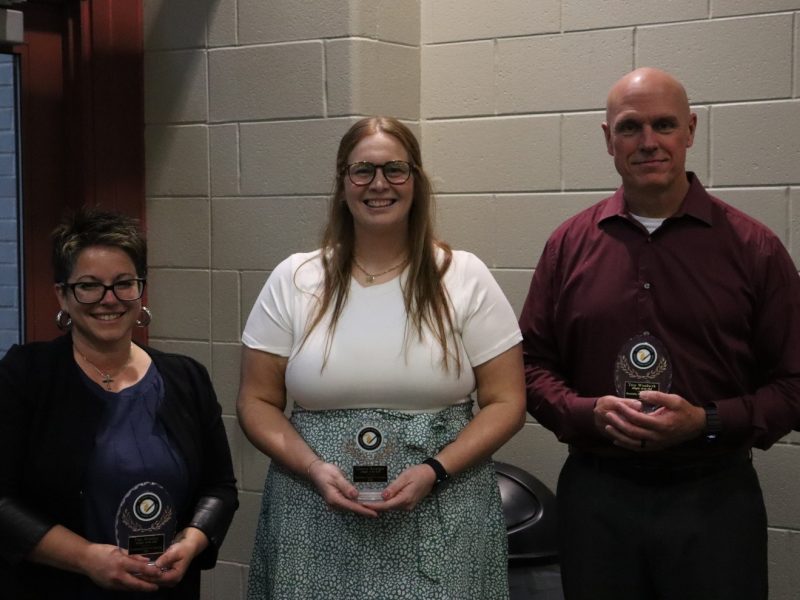
Allegan Area ESA educators honored for supporting student success
Three Allegan Area ESA award winners help students and families thrive through early intervention, school safety, and work-based learning opportunities.
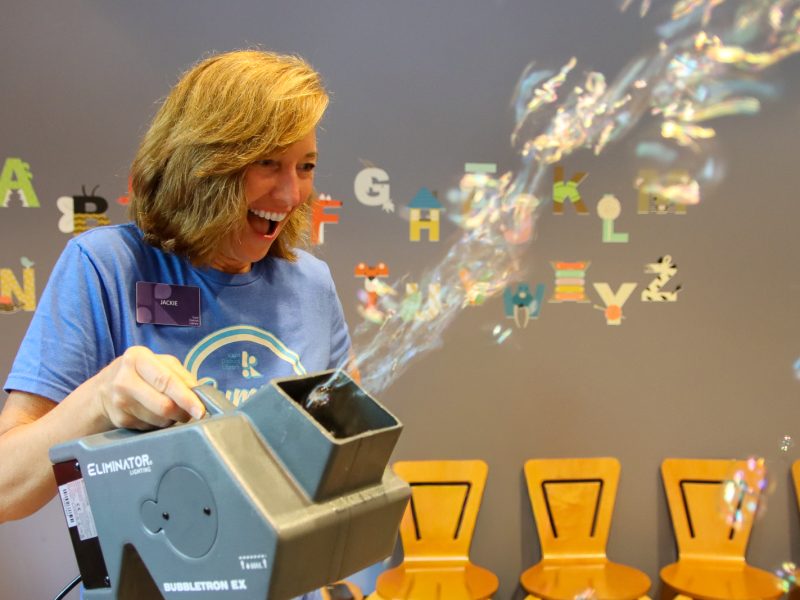
How public libraries instill literacy in littles
Libraries’ children’s programming builds kindergarten readiness and a lifelong love for reading.