Professional organizer helps families declutter homes during difficult life transitions
Former banker Melissa Robitaille helps families declutter homes, manage grief, and regain usable living space during major transitions.
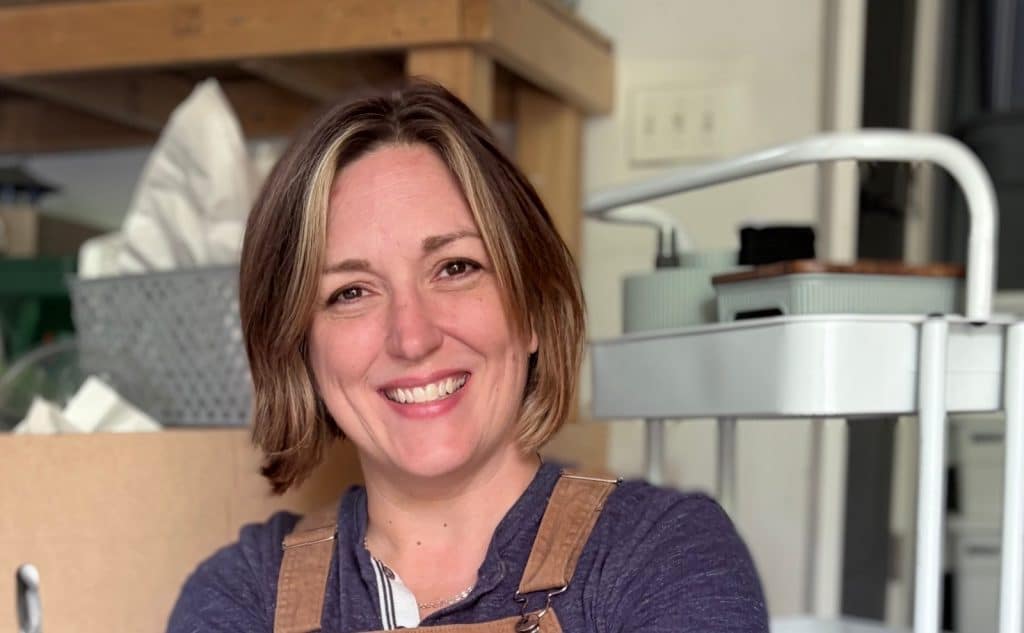
Melissa “Mel” Robitaille spent more than 16 years helping families manage their money before she realized she wanted to help people with something else that mattered just as much: deciding what belongings to keep and what to let go.
The Holland-area business owner now helps people sort through crowded basements, packed closets, family keepsakes, and homes filled with years of memories. Through her business, Room 12TwentyOne LLC, Robitaille helps clients clean out and organize their homes during difficult life changes such as moving, downsizing, or dealing with the death of a loved one.
“When something gets a little overwhelming, people tend to avoid it,” Robitaille says. “I’m here to help get through that and kind of restore it to what comes next.”
Families dealing with aging parents, grief, moving, or packed schedules often struggle to manage homes filled with years of belongings. Robitaille says clutter is usually not about laziness. Instead, it often comes from emotional attachment, delayed decisions, and not having systems to manage everyday items.
Her business focuses on helping people take small steps to regain control of their spaces and reduce stress during major life changes.
‘In the right room’
The name Room 12TwentyOne carries personal symbolism. The numbers 12 and 21 reference Dec. 21, the shortest day of the year, and the return of light after the darkest point of winter.
“Right around the winter solstice, which is Dec. 21, I decided to kind of take a chance and venture out on my own,” Robitaille says.
The “room” portion reflects a question she repeatedly asked herself while considering a career change.
“I didn’t feel like I was in the right room,” Robitaille says. “What room are you supposed to be in?”
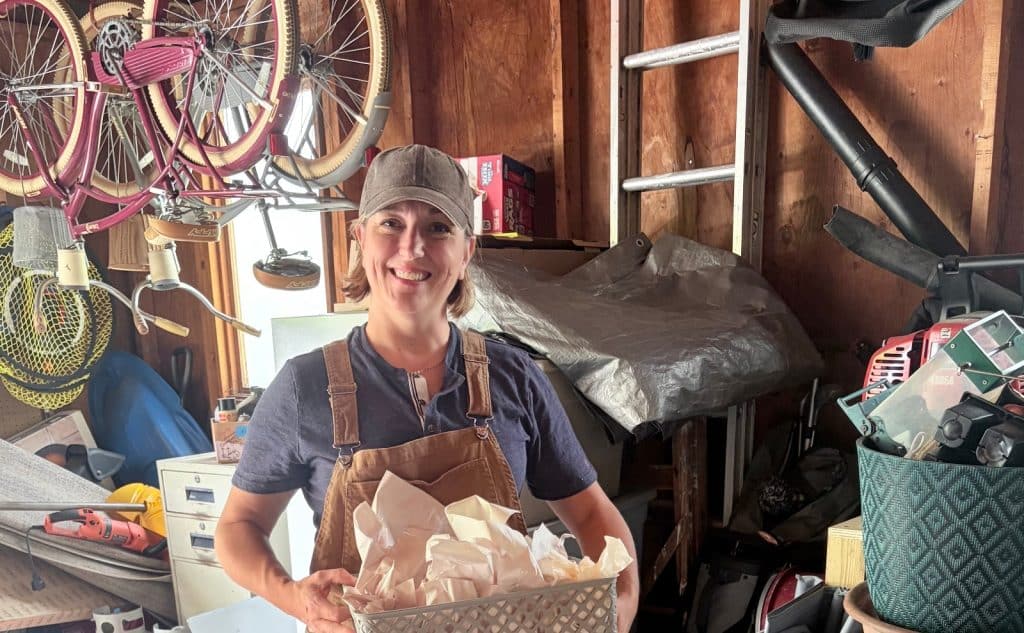
That question guides the way she approaches clients and their homes.
Rather than walking into a cluttered room and immediately focusing on what needs to be discarded, Robitaille says she starts by asking people how they want to use the space and what is preventing them from doing so.
“A lot of decluttering really gets down to the decisions,” she says. “Something needs to happen.”
She helps people make hard decisions by breaking the work into smaller, easier steps that feel less overwhelming.
For example, she says, “I am a big proponent of always having a donation box going.”
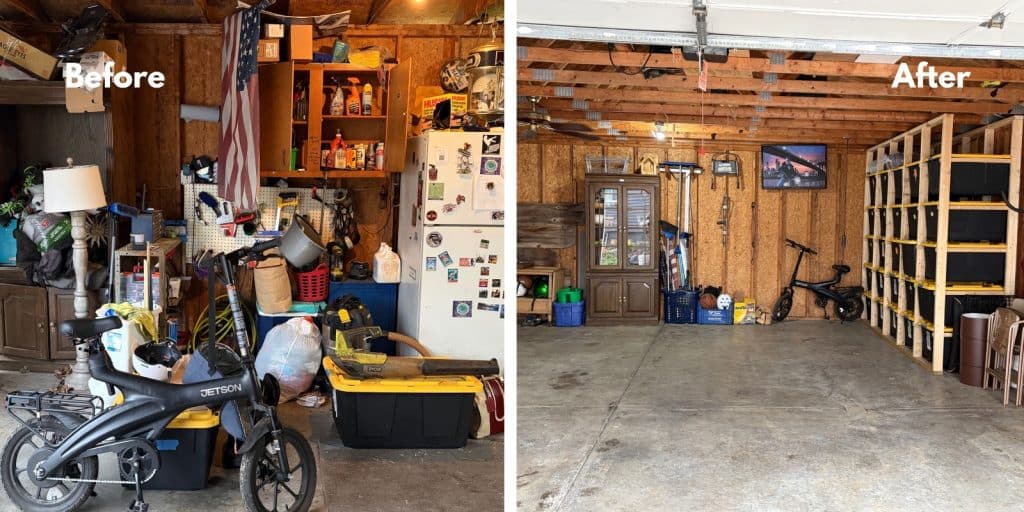
Robitaille says people should donate the items each month – or when it’s full – so clutter does not pile up again.
People who have trouble letting go of clothes or personal items can use what Robitaille calls a “B-list” system.
“If you put it on and it doesn’t feel great, quite right, throw it into your B-list clothes,” she says.
The system helps people set aside items they are not sure about without throwing them away right away. After some time, many people realize they never use those things again, which makes it easier to let them go.
Robitaille says many people also feel guilty about getting rid of expensive or special items.
“It’s hard to give this away because it feels like you maybe wasted your money,” she says.
Instead of focusing on losing the item, Robitaille encourages clients to think about how the item could help someone else.
Emotional situations
Some of Robitaille’s most emotional work involves helping families clean out homes after a parent dies. Adult children are often left going through years of belongings while also dealing with grief, legal matters, finances, and caregiving responsibilities.
“You walk into a room and you’re overcome with all those memories,” she says. “Where do you start?”
Many families believe they should handle those tasks entirely on their own, even when they are emotionally exhausted.
“In so many other parts of our lives, we call in experts, but we still feel like we have to do some of this stuff on our own,” she says.
Her job is not to push families to throw things away quickly. Instead, she helps create order. She sorts items into groups, helps families save special keepsakes, and connects them with other services when needed, including estate sale companies, cleaners, movers, and donation groups.
Her years working in banking also helped prepare her for the emotional side of the job.
“You don’t just pull up their bank accounts, just like you don’t just whip open their drawers,” she says. “Conversation first.”
The transition into home clearing also emerged from her personal history. Long before starting the business, she was the friend people called to help organize bedrooms, garages, and moving projects.
“When I have downtime in my life, this is what I do,” Robitaille says.
She started thinking that the skills she used to organize her own home might help other people, too. The idea grew after she talked with real estate agents, estate lawyers, and others who saw families struggling with too much stuff during major life changes.
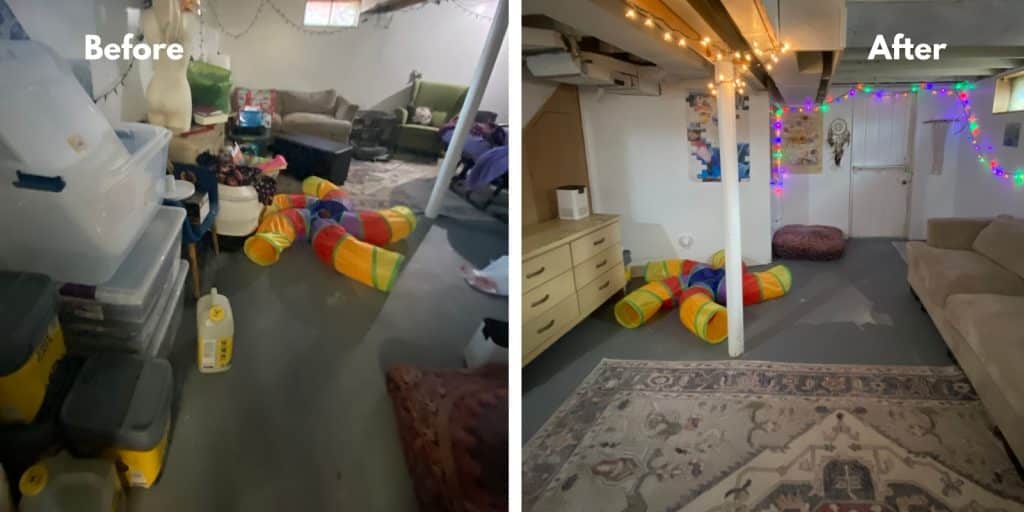
One client recently walked into a newly cleared basement and told her she would finally use the space again after years of avoiding it. The room itself had not dramatically changed. It was still a basement. But the emotional barrier surrounding it had disappeared.
Robitaille says those moments matter more than perfectly labeled bins or magazine-worthy organization systems.
“The fact that she felt like she could use a whole piece of her house,” Robitaille says, “that’s definitely part of what drives my passion.”
Photos courtesy of Mel Robitaille
Author

Related Articles

Lakeshore Advantage wins national award for downtown Holland’s Next Center
Lakeshore Advantage’s Next Center earned national recognition for supporting entrepreneurship, small businesses, and regional economic development through collaboration and innovation.

Broadband helps rural aviation company compete in global markets
Ann Grahek says expanded broadband service helps her Ottawa County aviation business communicate globally and support customers faster.
‘Clarity creates connection, and connection builds support’ across Lakeshore
In her Shore Story, Shelly Millen writes about her mission to help nonprofits communicate clearly so communities can better understand their work and offer meaningful support.