Holland Celtic Festival celebrates five years of music and community
The Holland Celtic Festival returns June 26-27, showcasing music, culture, volunteers, and community connections built over five years.
What started as a conversation among friends has grown into one of West Michigan’s biggest celebrations of Celtic culture.
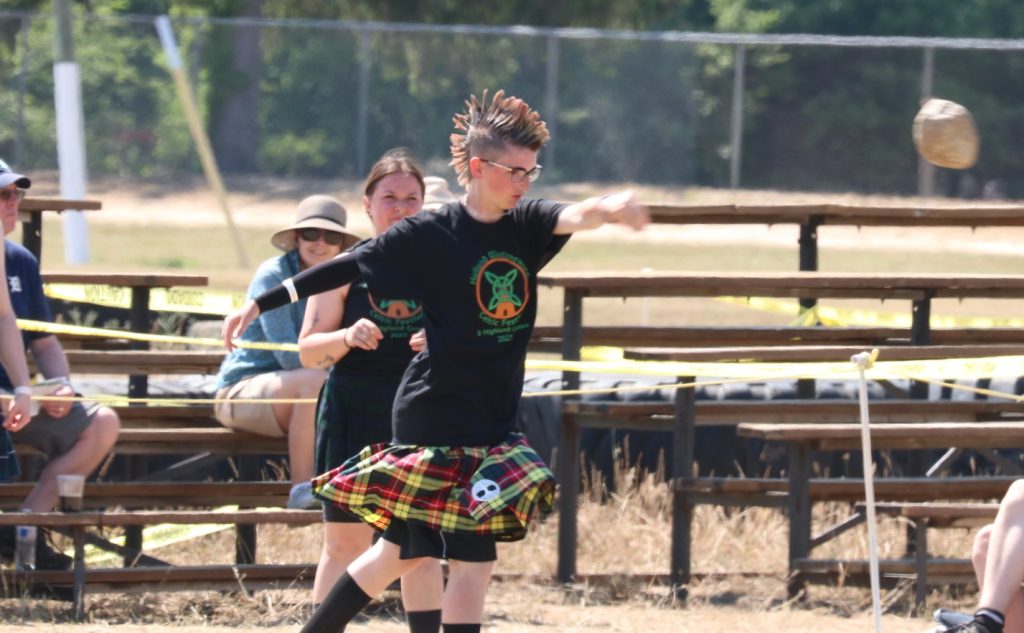
The Holland Waterfront Celtic Festival & Highland Games returns June 26-27 at the Ottawa County Fairgrounds. This year is the festival’s fifth anniversary. Visitors can enjoy live music, Highland Games competitions, food, dancing, cultural exhibits, and several new attractions.
Co-founder Craig Rich says the festival shows what can happen when volunteers work together to build something for their community. Despite challenges along the way, the event has continued to grow each year.
“We’re trying to add a new element or a new feature or two every year so it never gets stale,” Rich says. “I like to think we built something to last.”
Grassroots origin
The festival, organized by the nonprofit Holland Celtic Society, offers an example of how grassroots organizations can create lasting community traditions. Since launching in 2022, attendance has grown from 3,000 to 3,500 attendees in its first year to roughly 5,000 in recent years.
The foundation for that success was built years before the festival. Rich and a small group of Celtic culture enthusiasts regularly gathered around Holland’s St. Patrick’s Day celebrations and other cultural events.
“We already had a small group that ranged from five to 15 people in the Holland area that sort of gravitated toward each other,” Rich says. “It probably started at the St. Patrick’s Day events.”
As the group expanded its celebrations to include Tartan Day, Robert Burns Day, and other Celtic traditions, conversations turned to creating a larger event that could share those traditions with the broader community.
That idea emerged in 2021 during a Tartan Day gathering.
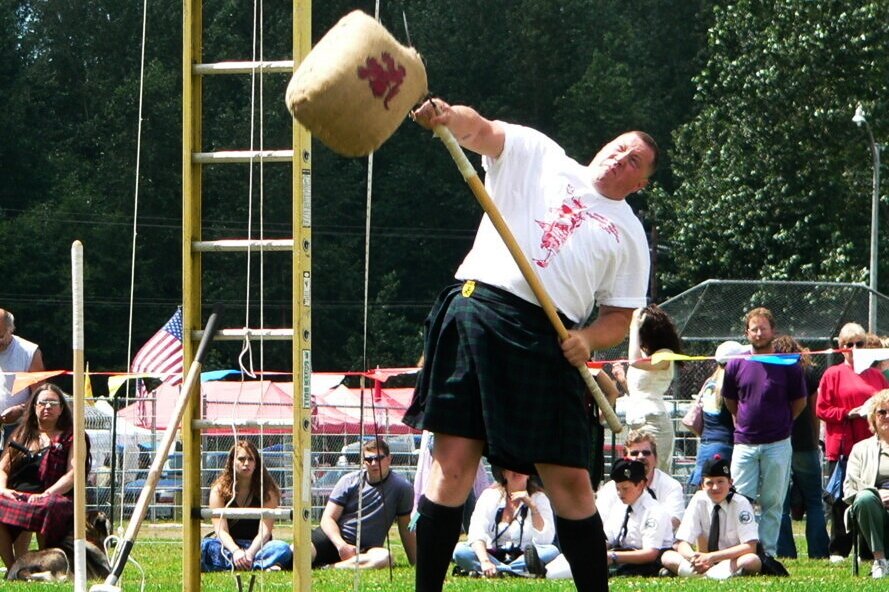
“One of our members says, ‘I used to compete in the Highland Games when I was younger, and maybe we should do something like that in Holland,'” Rich recalls. “That was a little bit of a spark.”
Soon, the vision grew the concept beyond sports.
“I remember saying, ‘Well, I wouldn’t just do Highland Games. I’d want to do a full-fledged Irish or Scottish or Celtic festival,'” Rich says.
Rich and his friend Pete Grimm grabbed the idea by the horns, recruiting volunteers, securing sponsors, and building an organization from the ground up.
“People were going, ‘I’ll take care of this part of it,’ and ‘I’ll handle that part of it,’ and it coalesced and became something that we hope is sustainable,” Rich says.
Embraced by the community
Community partners played a key role in that growth. Guinness, one of the world’s best-known Irish brands, became the festival’s title sponsor, while organizations including the Holland Area Convention & Visitors Bureau and Barber Ford provided ongoing financial and in-kind support.
Rich credits Executive Director Linda Hart and the Holland Area Convention & Visitors Bureau with promoting the festival and attracting visitors.
“We have great sponsors that keep us from having to absolutely scrape the bottom to exist,” Rich says.
The festival’s growth started almost immediately.
The first festival was held at Window on the Waterfront and drew an estimated 3,000 to 3,500 people.
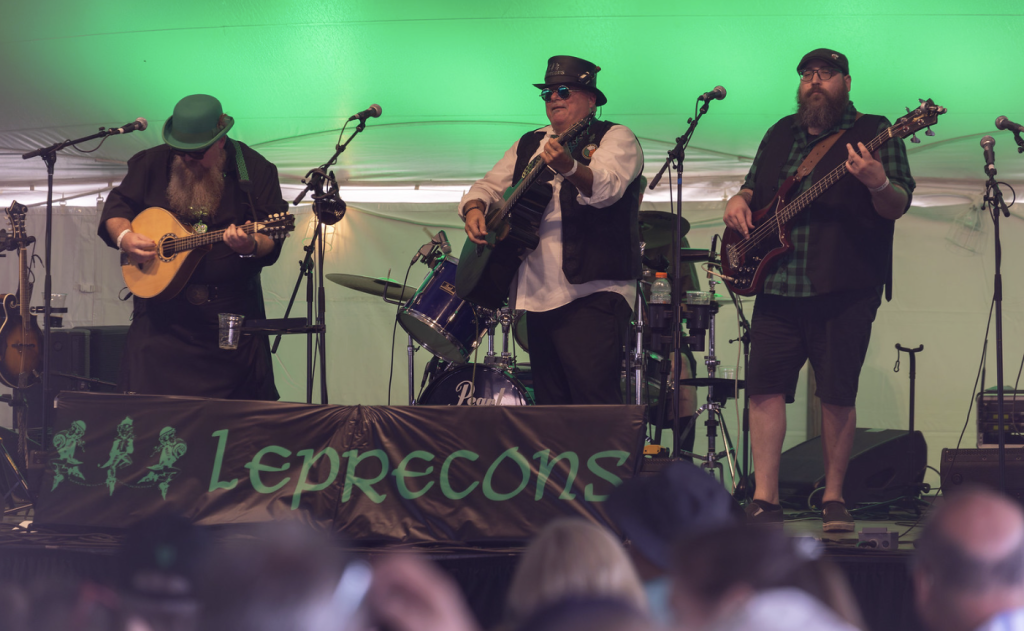
“Looking around that day, we knew we outgrew it already,” Rich says.
The festival later moved to the Ottawa County Fairgrounds, where there was more space for parking, Highland Games events, vendors, and other activities. Since then, attendance has grown to about 5,000 people each year.
“When I bring in a band like Albannach that’s not playing anywhere else in Michigan this summer, people are going to be coming to Holland,” Rich says. “They’re going to need hotel rooms, they’re going to need restaurants, and so on.”
Festivalgoers often also spend time exploring downtown Holland, local restaurants, beaches, and other attractions, creating economic activity throughout the community.
Rich’s life has been filled with civic involvement. He served 28 years on the Holland City Council and has spent decades supporting civic projects, nonprofit organizations, and local events.
“Organizing events and just being a part of getting things done has always been just something I’ve loved to do,” Rich says.
Crossing cultural lines
Holland is best known for Tulip Time, the city’s signature celebration of Dutch heritage. Rich sees the Celtic festival as complementing that tradition by offering residents and visitors another way to experience the cultures that helped shape West Michigan.
His late wife, Vickie Rich, devoted countless volunteer hours to Tulip Time. She gave tours at Windmill Island Gardens, participated in Dutch dancing, and enthusiastically shared traditions reflecting her family’s Dutch heritage.
Rich says the couple celebrated different cultural traditions, but shared a common appreciation for history, community and bringing people together.
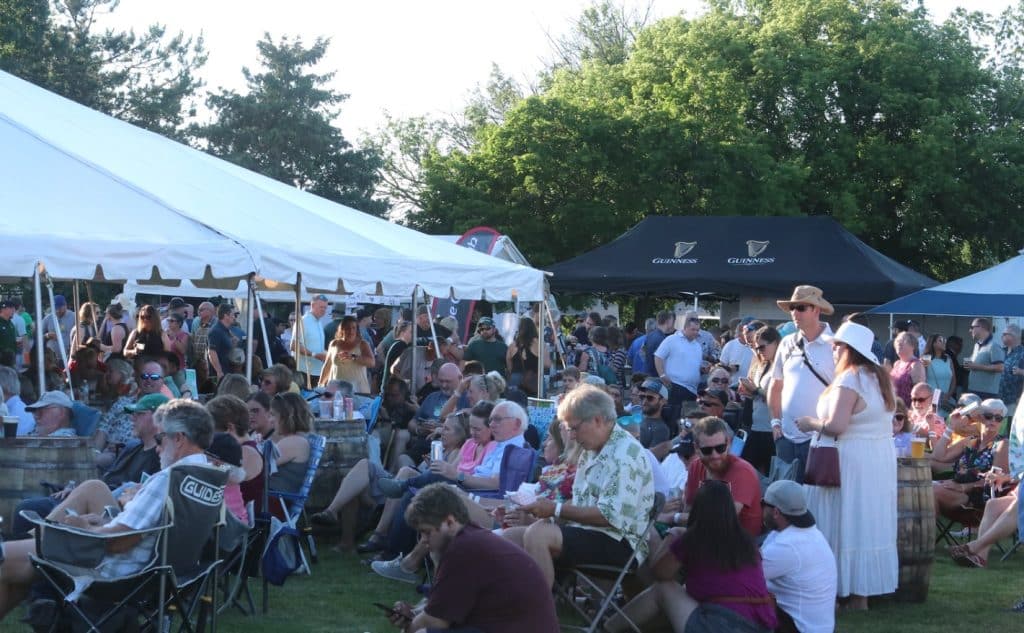
“My wife was about as 100% Dutch as you can get,” Rich says with a laugh. “I’m about 100% the other way.”
Rich traces his ancestry to Irish, Scottish, Welsh, English and German roots. His fascination with Celtic culture began decades ago through music.
“I just developed a love for that real nature of the music,” Rich says. “So haunting and so evocative.”
The Holland festival is part of a broader network of Celtic celebrations across Michigan.
“I think what I’m glad we did is we went full Celtic rather than deciding to be just an Irish festival,” Rich says. “Going as a full Celtic festival has really allowed us to kind of explore the space and do all the things we want to do.”
Rich regularly attends other Celtic festivals throughout the state and says many attendees travel from one event to another.
“There are probably eight or 10 other really good Irish or Scottish or Celtic festivals around the state,” he says.
Many people come dressed in kilts, tartans, and other traditional clothing. The festival helps them connect with others who share an interest in Celtic culture, even if they come from different places.
Overcoming loss
That sense of community helped the organization get through some difficult years.
During the past 18 months, Rich lost Vickie to cancer. Last September, Grimm, his longtime friend and fellow festival founder, died unexpectedly from a heart attack.
“Losing Pete was the single largest hurdle for the festival board to overcome this year,” says Rich, who serves as president of the Holland Celtic Society and director of the Holland Celtic Festival. Both are volunteer roles.
Yet the festival continues to move forward because volunteers and board members have stepped into leadership roles.
Grimm’s wife, Kathy, remains active on the board and oversees front-gate operations during the event. Other board members include Erik Alberg, Kate Boeve, Joan McCluskey, Ren Mireles, Jay Sharkey, and Mark DeJong.
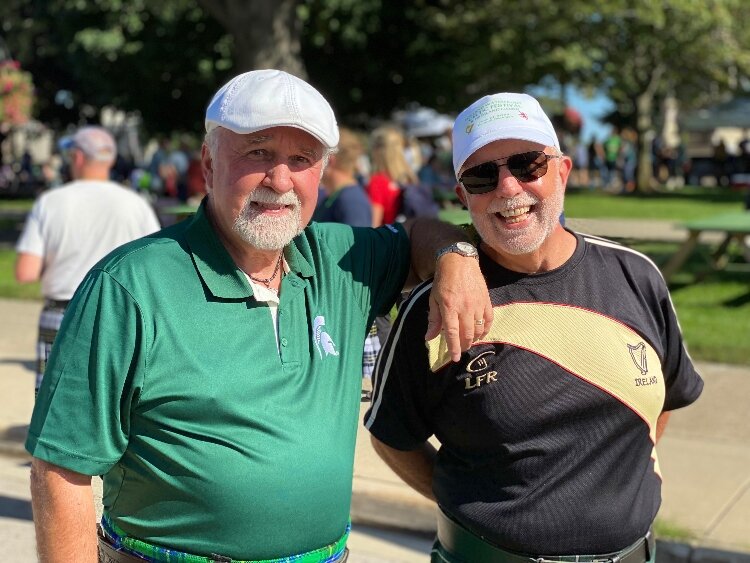
“Other board members have stepped up,” Rich says. “We’re still looking to expand the board, but we have lots of great people.”
The organization is also seeking additional volunteers for this year’s festival.
“We need probably 50 more people to really make this come off,” Rich says.
Volunteers can help with ticket sales, setup, cleanup, and other jobs.
Keeping it fresh
The festival’s endurance reflects the organization’s approach. Rather than relying on a single attraction, organizers continue looking for ways to refresh the experience while staying true to Celtic traditions.
This year’s festival introduces three new attractions: Scottish Highland cattle, demonstrations by border collies herding sheep, and an Irish music “session” tent where musicians can gather for informal performances.
The festival begins Friday, June 26, with a 21-and-older Ceilidh, a traditional Celtic social gathering featuring live music, dancing, food, vendors, and beer, wine, and whiskey bars. Friday’s event runs from 4 p.m. to 11 p.m.
Saturday’s all-ages festival runs from 9 a.m. to 11 p.m. and includes 13 bands, a pipe and drum band, Irish and Scottish dance performances, more than 50 Highland Games athletes, a Scottish Clan village, genealogy assistance, food vendors, children’s activities, and tomahawk throwing.
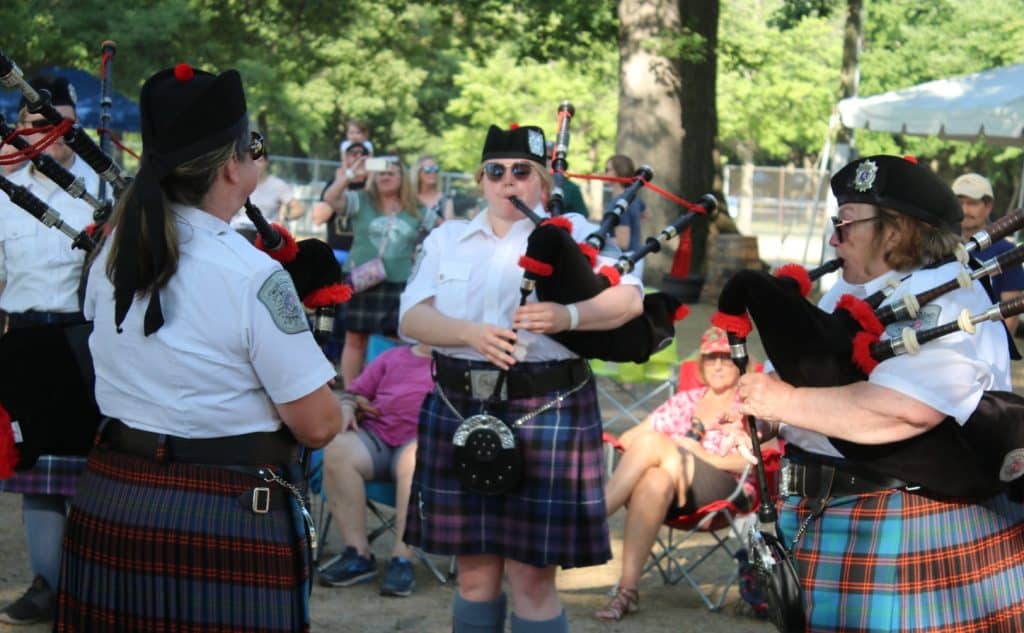
Featured performers include Albannach, Mudmen, CrossBow, Ironwood, The Kreelers, Whorled, Leprecons, Black Murray, and Kennedy’s Kitchen.
Rich says one of the biggest misconceptions about cultural festivals is that attendees need to share the heritage being celebrated. He points to events such as the LAUP Fiesta and Juneteenth that attract people from different backgrounds.
“You don’t have to just represent your own ancestors,” he says. “You can go out and be a part of the world.”
He says people enjoy cultural festivals because they can learn new things, meet new people, and experience different cultures.
“The part of the world that this happens to represent is a part of the world that just relishes being together,” Rich says. “It’s that feeling of being part of a larger family that I think comes with almost any kind of ethnic festival.”
Photos courtesy of the Holland Celtic Society
Author

Related Articles
September things to do: Labor Day events, shopping, a Civil War re-enactment, and a beach groove
West Michigan Lakeshore communities are hosting Labor Day events, farmers markets are still in business, and there’s some good music, dance, and comedy in this month’s calendar.
Traverse City recognizes how accessibility can build tourism
Northern Michigan organizations partner to improve accessibility, helping more travelers enjoy Traverse City while building a more welcoming tourism destination.
August things to do: Lots of music, air and ski shows, farm fun, a fancy dinner, and a lunar eclipse
The dog days of summer are at our door, but that hasn’t diminished the number and variety of activities available this month. We’re still going out and finding fun — for the family and for friends.