‘Friendship Bench’ connects Tri Cities through simple conversation
Inspired by a Zimbabwe program, the Momentum Center launches a Friendship Bench pilot to improve mental wellness through community connection.
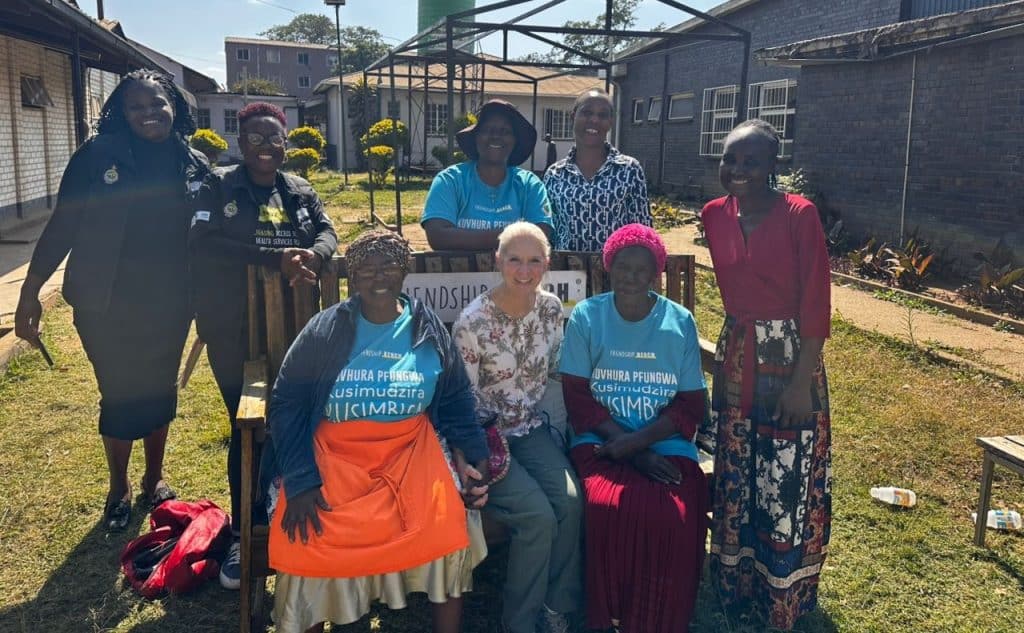
When Barbara Lee heard about a mental health project in Zimbabwe where grandmothers offered comfort from wooden benches, she couldn’t stop thinking about it. She loved the simplicity of the approach, where people help others through conversation.
Lee, who holds the position of “experi-mentor” at the Momentum Center, believed it could work in her community, where access to mental health care has long been a struggle. To learn more, she traveled across the world to meet the people behind the Friendship Bench program.
“I visited Zimbabwe to sit with Dr. Dixon Chibanda and the grandmothers who started it all,” Lee says. “It’s been more than 20 years since he began training them to listen, and it’s still making a difference. I knew right away we could do something like this here.”
Now, Lee and her team are launching a Friendship Bench pilot program in the Tri-Cities.
The program’s goal is to reduce loneliness and improve emotional well-being by placing trained volunteers, called “bench buddies,” in familiar community spaces where people can simply sit and talk.
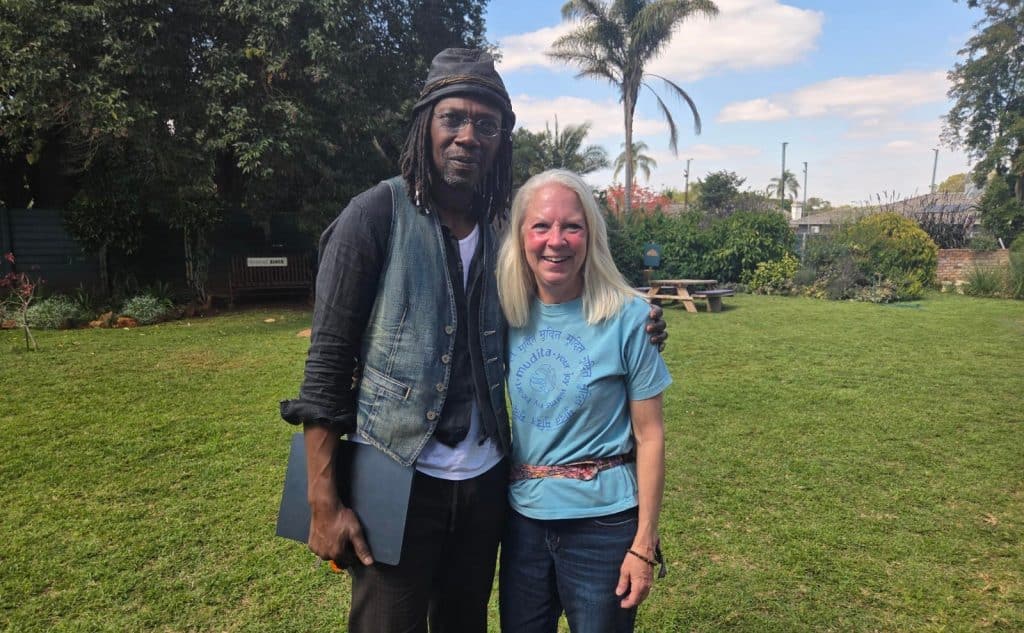
The Momentum Center’s pilot is funded by Tri-Cities Women Who Care and a grant from the Behavioral Health Initiative of the Michigan Health Endowment Fund. It also has backing from the Ottawa County Mental Wellness Continuum, with the goal of expanding it across the county if the local pilot is successful.
The program has enough backing to get started, but organizers are still seeking money to continue it for an entire year.
Nontraditional but effective
Lee says the Friendship Bench takes a space where traditional care can’t always reach.
“It’s nonclinical and nontherapy,” she says. “But it gives people the chance to talk with someone who listens and can connect them to help if needed. Because these benches are in the community, there’s no stigma or barrier. We’ll be where people already are – at libraries, grocery stores, or even trailer parks.”
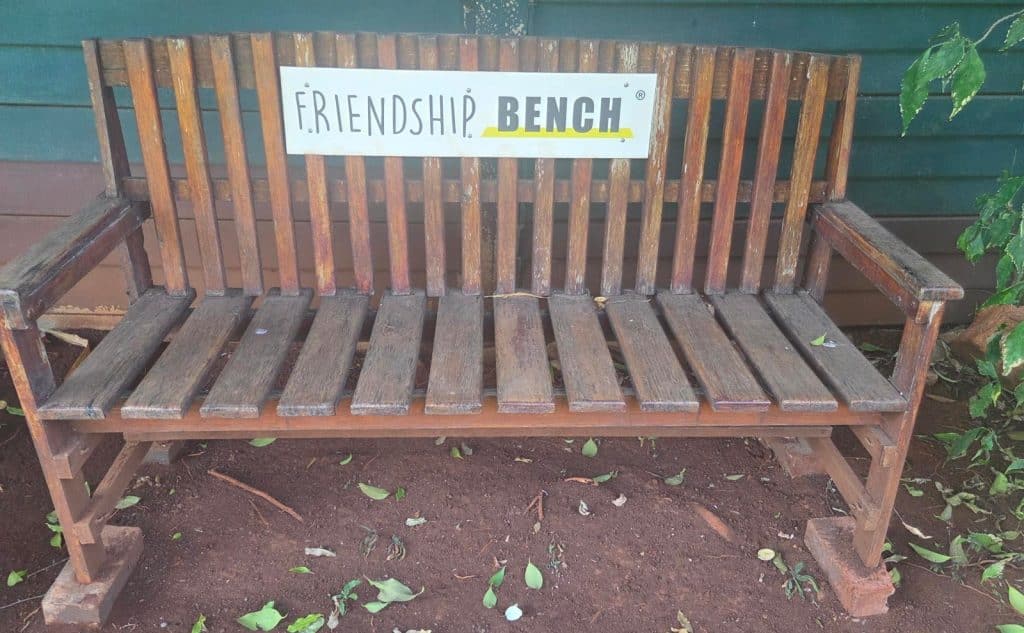
Kate Maver, the newly named Friendship Bench coordinator, will lead volunteer training, listening sessions, and outreach. While the program began with grandmothers in Zimbabwe, Maver says the local version will include people of all ages.
“We’re looking for anyone who can listen with compassion and without judgment,” Maver says. “It’s about walking beside someone and helping them feel heard.”
The pilot will host community listening sessions on Dec. 3 at 8 a.m., noon, and 6 p.m., giving residents a chance to learn more and share ideas. Volunteers will be trained before being placed throughout the Tri-Cities. Benches will be indoors and outdoors, depending on the season.
The Friendship Bench pilot will focus on reaching groups who often face barriers to care, including seniors, young men, single mothers, and Spanish speakers.
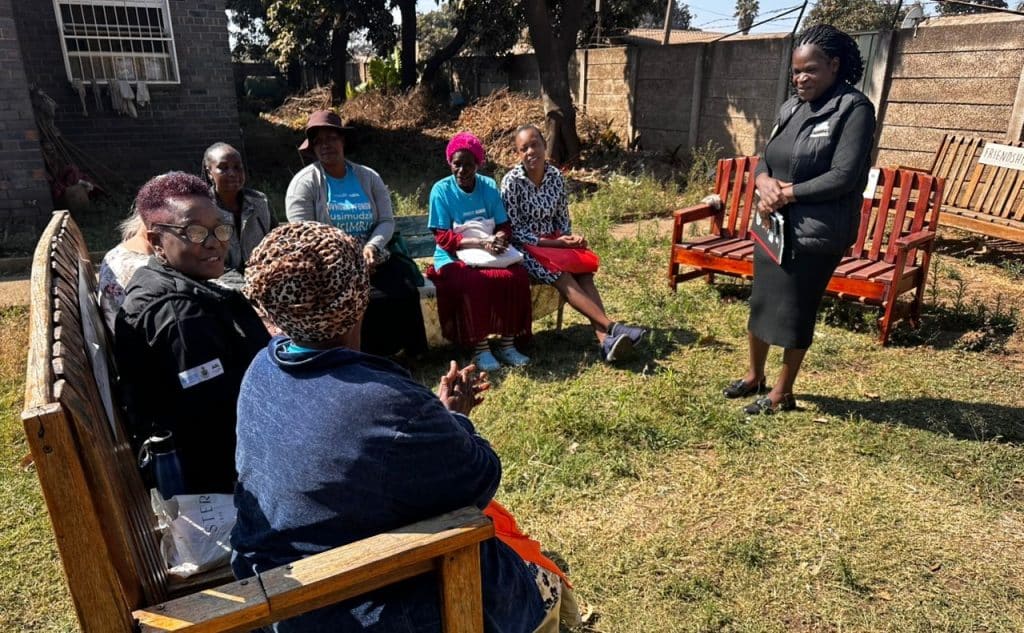
Lee says it’s all about bringing mental wellness back into everyday life.
“This is what we’ve been doing inside the Momentum Center; now we’re taking it outside,” she says. “People need human connection. Sometimes, all we need is somebody to tell our problems to.”
The Momentum Center is seeking funding to continue the program beyond its pilot phase.
“This pilot represents a promising, accessible way to deepen interpersonal connection and reduce isolation,” Lee says. “We’re grateful to the Michigan Health Endowment Fund, Tri-Cities Women Who Care, and the Ottawa County Mental Wellness Continuum for their support.”
If the pilot proves successful, Lee hopes the Tri Cities project will become a model for communities across Ottawa County, and perhaps inspire others the same way Zimbabwe inspired her.
Photos courtesy of Barbara Lee.
Author

Related Articles
What Allegan County behavioral health leaders say rural clinics need to expand care
Behavioral health leaders in Allegan, Sanilac and St. Clair counties say flexible service models, regional partnerships and start-up funding could help more rural communities expand access to care.
Mental health crisis care without an ER wait
Mental health urgent cares and crisis stabilization units provide immediate access to mental health services.

CMHA: Telling the whole story about Michigan’s public mental health system
The Community Mental Health Association of Michigan gives a voice to the issues and the people experiencing them.