CultureWorks marks 15 years supporting teens through arts, connection
Holland nonprofit expands free programs, helping teens find belonging, confidence, and creative outlets while community support fuels rapid growth and access.
High school was tough for Abbie Lopez. She felt lost and overwhelmed by expectations, and often headed to the library after school to get away from the stress.
One afternoon, as she walked through the library parking lot, she ran into a friend from middle school who said he had just come from an art class and invited her to attend the following week. That class was put on by CultureWorks Transformative Art + Design Academy.
Immediately after that conversation, Lopez went into the library, looked up CultureWorks, applied for the program, and even began setting up transportation through the organization.
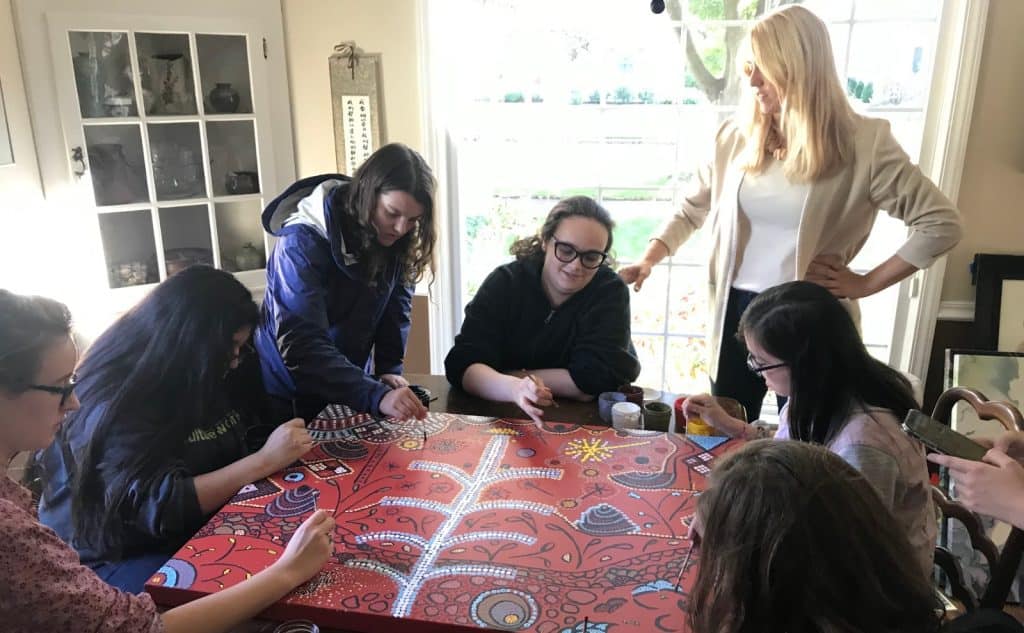
When Lopez went with him the next week, she found more than an escape. It was a place where she could be with others, explore her creativity, and feel seen.
“They were the first adults to actually listen to me,” she says.
Six years later, Lopez now works at the organization, helping process student surveys and support programming.
She says reading those surveys reminds her why the program matters. Many students describe feeling more confident, more connected, and more willing to express themselves.
“It’s honestly my favorite part of my job,” she says.
As CultureWorks marks 15 years, Lopez’s experience illustrates how the organization has grown from an arts program into a space where teens find belonging, confidence, and connection.
‘Inviting and positive’
When CultureWorks launched, the goal was to bring teens together through art.
“They really wanted to create a space where kids from all backgrounds could come together and learn, a space where students could flourish through self-expression and creativity,” says Emily Christensen, the organization’s executive director.
Over time, that mission expanded as leaders responded to challenges facing young people, including isolation and limited access to activities outside school.
Student feedback reflects that shift.
“The atmosphere is so inviting and positive, and the teachers are very encouraging,” one student writes.
Another student notes that instructor feedback “doesn’t feel condescending but encouraging.”
Others point to relationships built through the program.
“It provided me with my now closest friend,” one student writes.
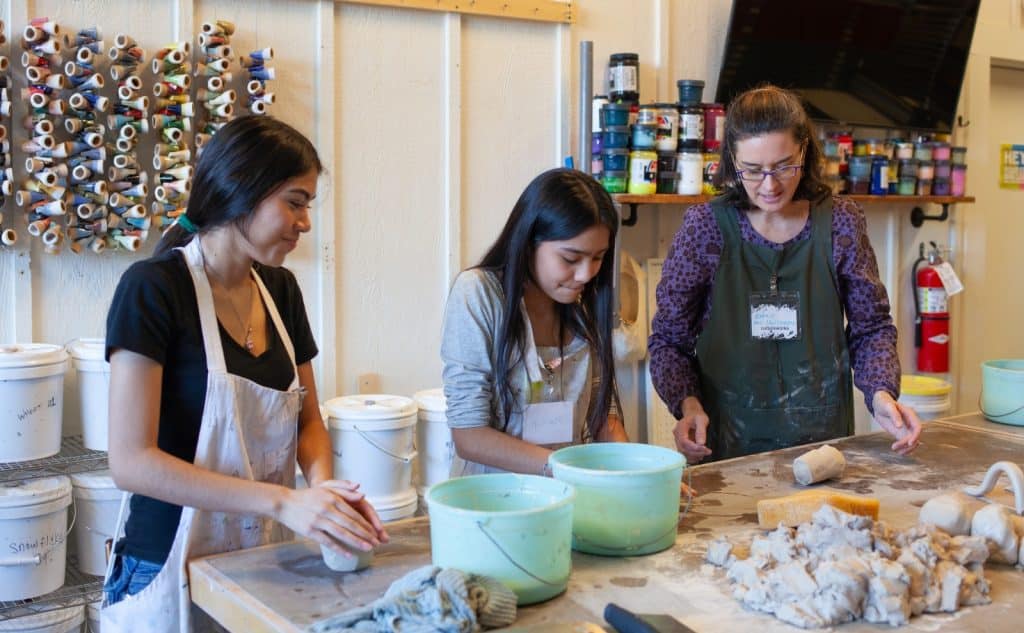
Lopez says those responses mirror her experience.
“It has definitely opened me up to opportunities and to people,” she says.
Listening to students
Originally launched by members of Engedi Church and hosted at the church, CultureWorks faced a major disruption after its first five years when the program split from the church and lost its space, funding, and staff.
Instead of shutting down, leaders turned to students.
“We had to meet with the students and ask them what they wanted because we were in this pivotal moment,” Christensen says, who was on the board at the time.
Students made their priorities clear.
“They knew we couldn’t close. That wasn’t an option,” she says.
They also rejected moving programs into schools.
“School wasn’t a great place to them,” Christensen says. “They really appreciated that CultureWorks brought kids from all different schools together.”
That feedback led to a shift that would guide the organization’s future. Without a permanent home, CultureWorks adopted a mobile model, using spaces throughout the city.
For more than two years, classes were held in 14 locations, including community centers, outdoor spaces, and institutions such as Hope College.
“It was insane to organize,” Christensen says. “But the really beautiful thing was, it increased our visibility in the city.”
The model also changed how students experienced their surroundings.
“We found a lot of our kids didn’t even feel like downtown was for them,” Christensen says. “And now they feel like this is their home.”
Bringing programs into different parts of the city gave students a chance to explore spaces they might not otherwise visit, building familiarity and confidence.
Ending fees increases access
The organization’s most recent expansion has come after another shift: elimination of class fees, removing cost as a barrier. Previously, CultureWorks charged a sliding scale, where families paid what they could.
Christensen says the change followed concerns from families, particularly as financial pressures increased.
“We offered pay-what-you-can, but people felt bad taking a spot,” she says. “Once we made it totally free, it was like a floodgate opened.”
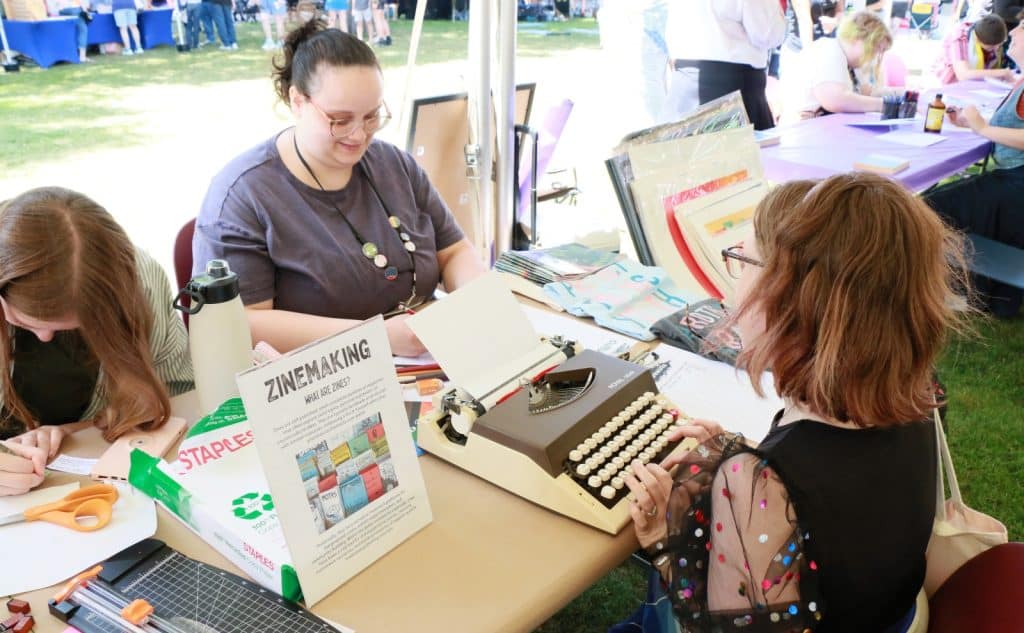
Enrollment in multi-week classes nearly doubled after the switch to tuition-free programming in June. Classes now reach 435 students from 18 schools. Program hours increased by 53%, and enrollment grew by 55% compared to the previous year. Summer registrations increased by more than 150%.
Demand now exceeds capacity, with dozens of students placed on waitlists.
But leaders say access involves more than affordability.
“Accessibility to us means a lot of different things: meeting financial and transportation needs, as well as accommodating students with disabilities, and making sure when you walk in, you feel like you belong,” Christensen says.
CultureWorks provides transportation to dozens of students each week, helping remove barriers tied to distance.
The program serves a diverse population, including many students from lower-income households and a wide range of racial and ethnic backgrounds. It collaborates with the Holland Area Arts Council, but while the Arts Council focuses on offering art classes for children and adults, CultureWorks primarily works with teens.
Strength in community
Despite losing income after shifting to free enrollment, the organization has continued to grow with support from donors and grants.
Community support has helped sustain that growth.
“I love investing in a teenager’s future,” says Mark Parker, a donor and volunteer. “At that moment in their life, they’re vulnerable, but they’re also accessible and moldable.”
Parker became more involved with CultureWorks after the death of his daughter, Jillian, in 2020. In the years that followed, he looked for ways to channel his grief into helping others.
With more than 150 volunteer hours, Parker taught photography classes with his daughter, Suzy, served on the organization’s board, and contributed to building out CultureWorks’ current space at 24 W. Sixth St. in downtown Holland.”
That hands-on work gave him a direct connection to the program’s impact.
His daughter Suzy later became involved as a teacher and intern, and the family now gives through a fund established in Jillian’s honor.
Parker says the program fills a gap in how communities support youth.
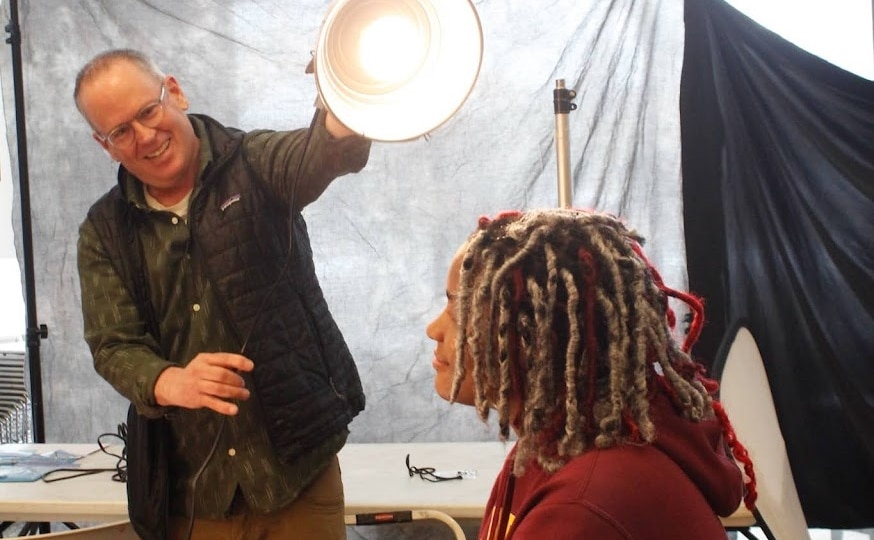
“You have home, school, and then somewhere else where they belong,” he says.
That space is especially important for students who don’t connect with traditional activities.
“They didn’t feel like they were fitting in,” Parker says.
He says the combination of structure and creativity sets the program apart.
“You’re not just there to socialize, you’re part of a structured creative activity,” Parker says. “It’s not just about learning art, it’s about building confidence. They come in with a lot of needs, and they leave with confidence.”
Students take the lead
As participation has grown, CultureWorks has expanded its programming and leadership opportunities. In the past year, new initiatives have included a visiting artist series focused on career development and exposure to creative work.
The Student Advisory Council has also grown, now including 16 students who help guide programming and decision-making.
Students have taken on leadership roles, including facilitating meetings, hosting guest speakers, and organizing projects. Those projects have included a community banner effort celebrating diversity and a traveling exhibit featuring sculptures made from recycled materials.
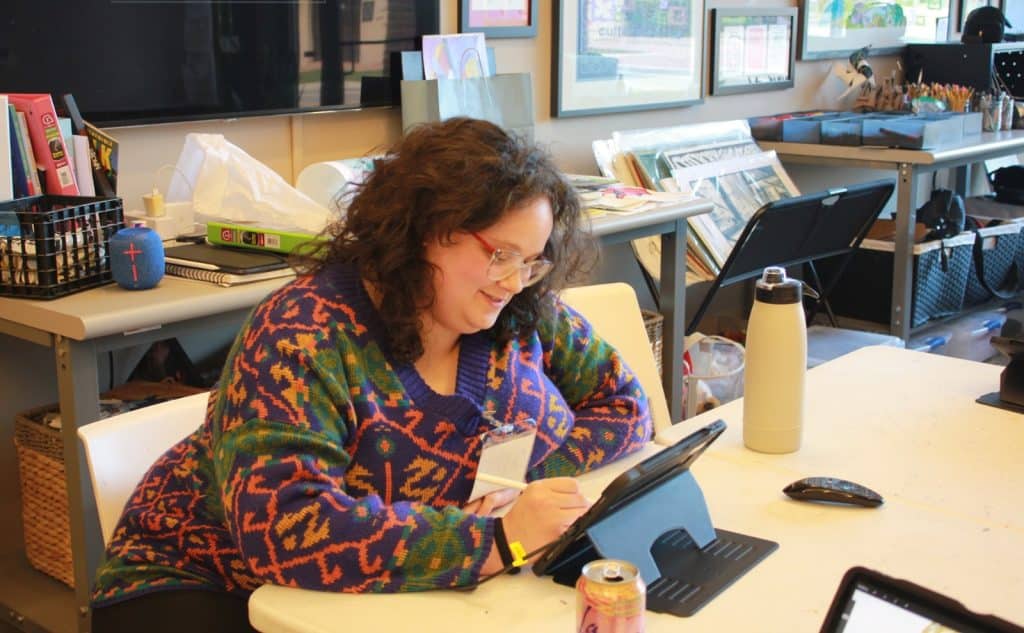
Christensen says those opportunities help students build confidence and leadership skills while shaping the program itself.
“We had to meet with the students and ask them what they wanted,” she says.
The program’s importance became especially clear during the COVID-19 pandemic, when many teens lost access to social connections and activities.
“These kids were so desperate for connection and activities that reduce stress and anxiety,” Christensen says.
While many programs paused, CultureWorks continued operating through alternative formats, including outdoor programming and partnerships.
“If we could possibly keep this open, we really had to try, because these kids need it,” she says.
Research from state agencies and Michigan State University indicates programs like CultureWorks can support academic success, mental health and social development.
Meeting the needs of youth at a critical time in their life continues to drive the organization.
“They really wanted a place where they could belong,” Christensen says of the youths, “and we’re trying to make sure that place exists.”
Photos courtesy of CultureWorks
Author

Related Articles
Holland to Holland tour connects residents with Dutch heritage
Holland to Holland tour takes West Michigan residents to the Netherlands to explore local history, cultural ties, and community traditions.
September things to do: Labor Day events, shopping, a Civil War re-enactment, and a beach groove
West Michigan Lakeshore communities are hosting Labor Day events, farmers markets are still in business, and there’s some good music, dance, and comedy in this month’s calendar.
Traverse City recognizes how accessibility can build tourism
Northern Michigan organizations partner to improve accessibility, helping more travelers enjoy Traverse City while building a more welcoming tourism destination.