Summit focuses on solutions to Allegan County’s housing shortage
The Allegan County Housing Summit will bring leaders together on May 8 to explore solutions, tools, and strategies to address a 6,200-unit housing shortage.

What started last year as a small, targeted conversation about housing is growing into something much larger, as the Allegan County Community Foundation expands its second Housing Summit to reach a broader cross-section of the community.
The May 8 event, from 8 a.m. to 2 p.m. at the Griswold Auditorium in downtown Allegan, aims to move beyond awareness — equipping local leaders, housing advocates, and municipal staff with tools to address an estimated 6,200-unit housing shortage across the county.
“This is really just a follow-up to the housing summit we held last year, trying to answer some of the questions that I had been running into across the county,” says Chris Kleinjans, the foundation’s community impact officer.
Expected attendance is already outpacing last year’s event, a signal, Kleinjans says, that interest and urgency around housing is growing.
Local leaders say the shortage is affecting affordability, workforce retention, and community growth.
Focus on practical actions
The summit will center on practical, local approaches. Four short sessions will highlight zoning tools, alternative housing types, and case studies from communities that have begun to make progress.
“We try to tailor this summit to not really generic things, but things that we feel are going to benefit the discussion and development of housing specifically for Allegan County,” Kleinjans says.
One session will show people how to use a digital zoning atlas, a tool that shows what types of housing are allowed in different areas. Other sessions will look at smaller homes and how local governments can change rules to make it easier to build more housing.
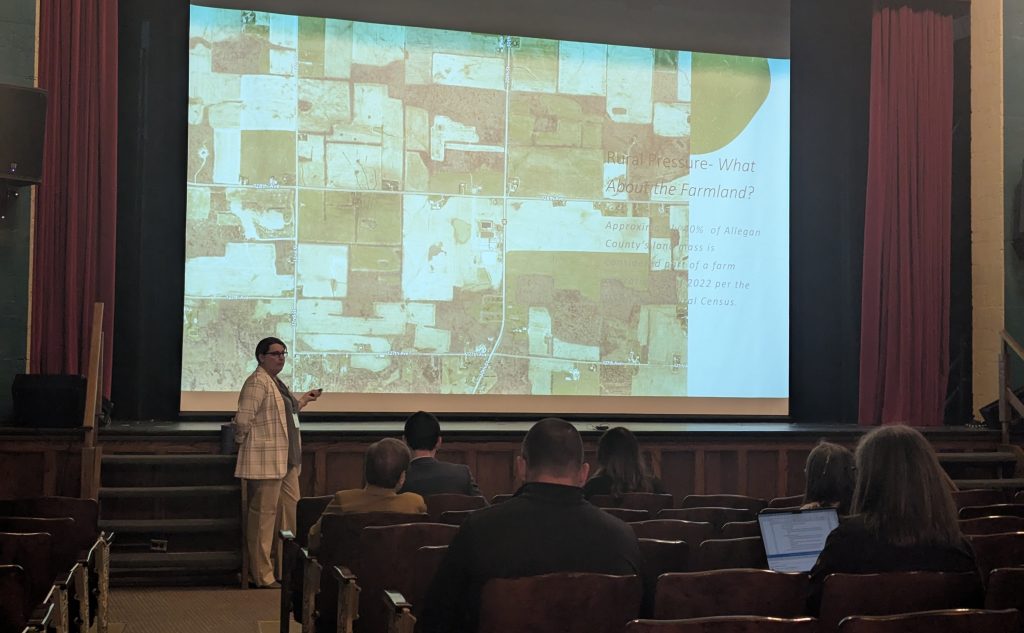
The small-footprint housing will be led by Paul Sachs, director of strategic impact for Ottawa County, who will highlight how communities can adjust zoning and development rules to allow smaller homes on smaller lots.
By rethinking minimum lot sizes, setbacks, and density requirements, local governments can make it easier to build more units without large-scale developments. This approach aims to lower construction costs and expand attainable housing options, particularly for first-time buyers and smaller households.
The strategy is already being tested in nearby communities, offering a potential model for how rural areas like Allegan County can increase housing supply while maintaining neighborhood character.
The summit will include a case study from Fennville, where leaders have updated zoning and advanced new housing projects in a relatively short time, an example organizers say shows what is possible with coordinated effort.
Stigma, other barriers
The emphasis, Kleinjans says, is on helping communities move from conversation to action.
“Beginning the discussion and taking the first steps around creating housing can be daunting,” he says. “This year’s summit is a discussion of what those first steps and community discussions can lead to.”
Part of that work includes revisiting housing types that have long carried a stigma, particularly manufactured and modular homes.
“It has a reputation that might not be completely merited. It is a good housing solution for a lot of people,” Kleinjans says.
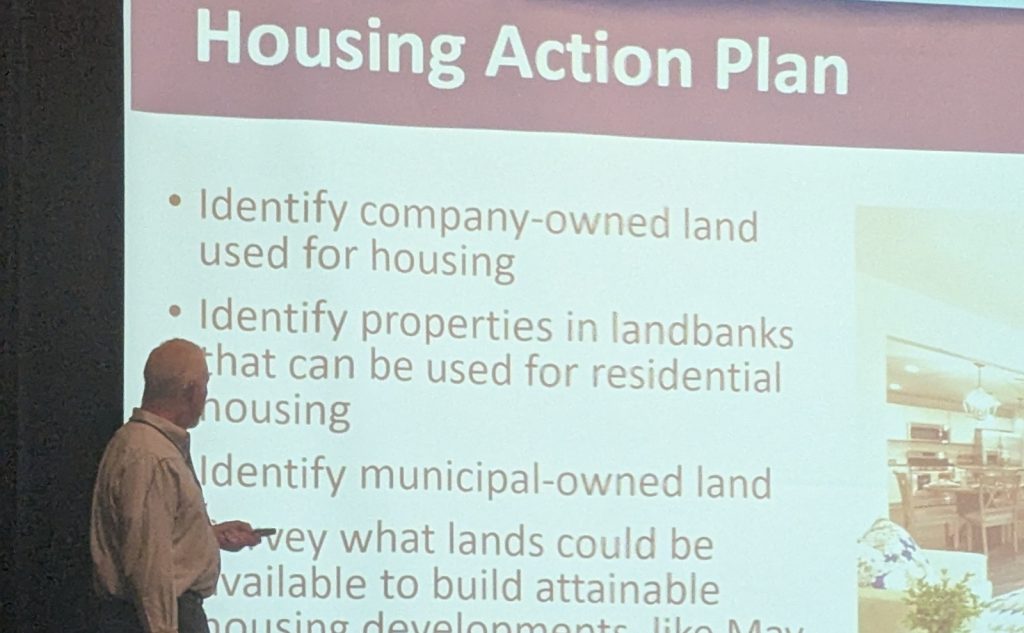
Modern versions of these homes are more energy efficient and cost-effective than many people realize, he adds. But public perception, zoning barriers, and long-term maintenance all influence whether these options gain traction.
No single community or single strategy is expected to close the housing gap. Organizers frame the issue as a shared, countywide responsibility.
“This needs to be a countywide discussion where everybody kind of does what they’re comfortable doing,” Kleinjans says.
The event is open to elected officials, planning staff, developers, and residents, with organizers aiming to bring together groups that don’t always collaborate directly.
“By bringing developers and municipal staff and elected officials into a room, we create more energy towards that solution,” he says.
Progress will take time, Kleinjans adds.
Author

Related Articles
Collaboration helps unhoused residents with disabilities navigate housing crisis
Local agencies, including Disability Network Northern Michigan, collaborate to help unhoused residents with disabilities find housing in Traverse City’s tight market.

New Lakeshore Advantage role targets region’s workforce housing shortage
Community Development Director Chris Marco will help communities and developers expand workforce housing across Ottawa and Allegan counties.
Downtown Utica’s Art Nook: “Super cool place making”
Art Nook connects folks to downtown businesses and showcases a colorful mural by artist Kevin Gano.