Grief in isolation: Michiganders navigate a disrupted grieving process during COVID-19
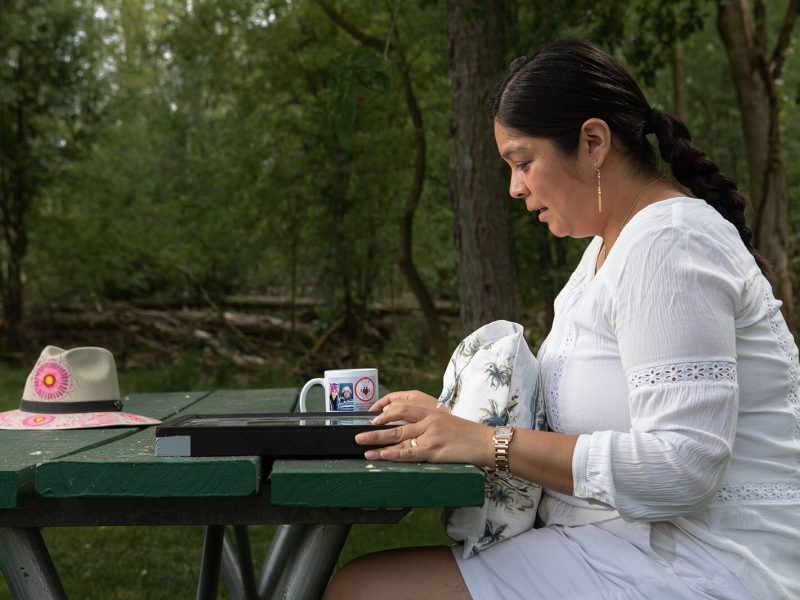
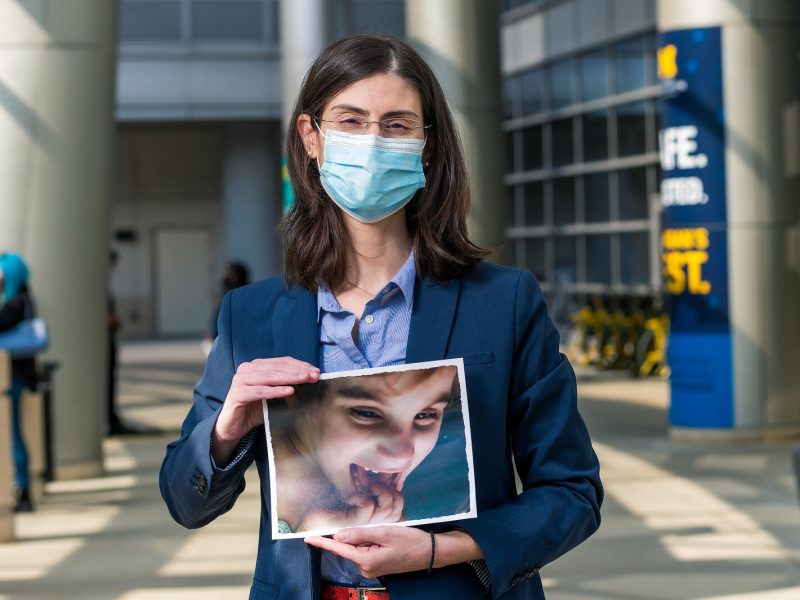
In the absence of many traditional, in-person rituals, the pandemic has forced many to grieve in extremely unusual ways.
Springing up across Michigan, palliative care programs aim to shift the way we think about death and serious illness.
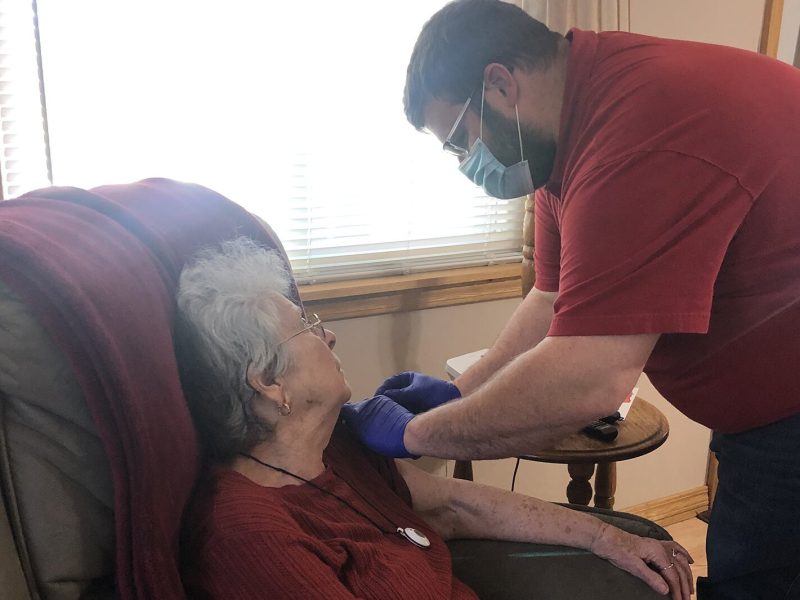
More than 21,000 of the state's estimated 110,000 homebound residents have received their shots through a state initiative in partnership with local agencies.
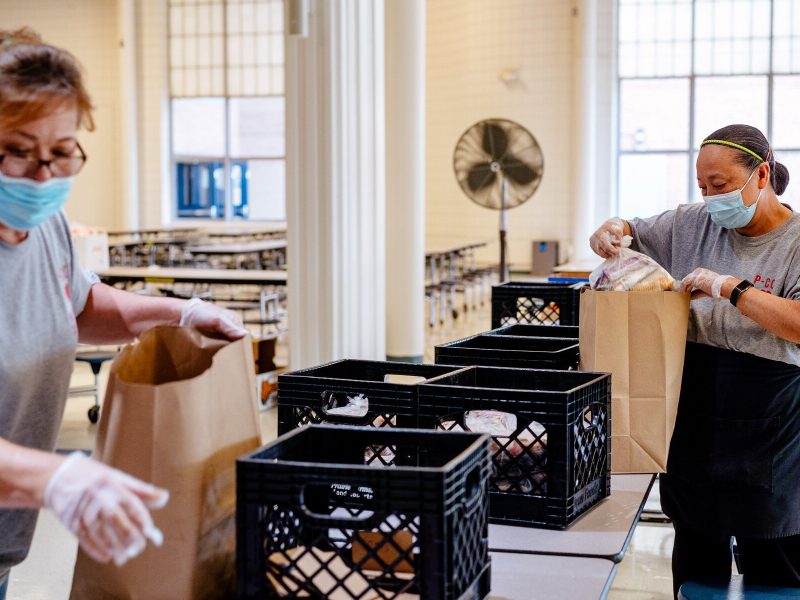
Despite the tragedy, COVID-19 in Michigan is also a story of people rallying, innovating, protesting, and collaborating to meet needs for food, housing, medical care, education, and equity.
The Mood Lifters program brings adults together in peer-facilitated classes where they learn science-based strategies for improving their mental health.
Michiganders who are older, live in rural areas, or have income challenges may have trouble navigating, accessing, or affording the technology they need to keep their telehealth appointments.
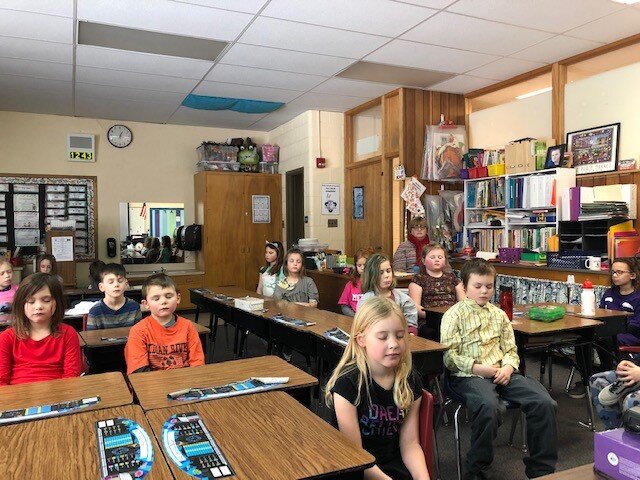
In northwest Michigan, educators, mental health professionals, and food service directors are teaming up to support the children they serve by connecting the dots between good nutrition and good mental health.
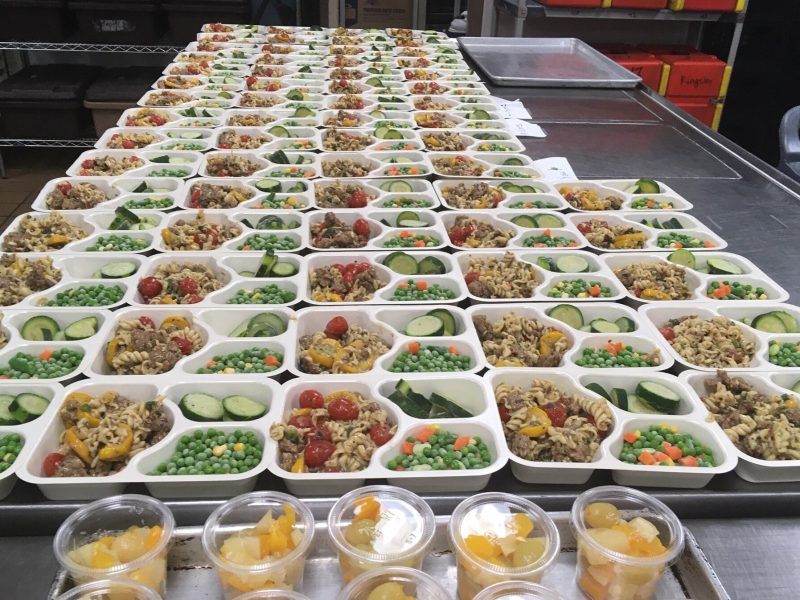
The program also delivers healthy meals to patients via Meals on Wheels for 10 days and provides other resources to connect patients to fresh, nutritious food.
328 Michigan public school districts and charter schools have received dollars from the new state fund to support students' mental health and bridge the digital divide.
Over the past year at Covenant HealthCare in Saginaw, employees living with Type 2 diabetes have participated in a pilot program that develops personalized diets for them based on the unique population of microbes found in their digestive systems.
Our Partners