Rural radio station becomes lifeline for West Michigan’s performing arts
Broadcasting from the woods, Blue Lake Radio connects listeners, orchestras, and venues while navigating financial challenges and a shift away from news programming.
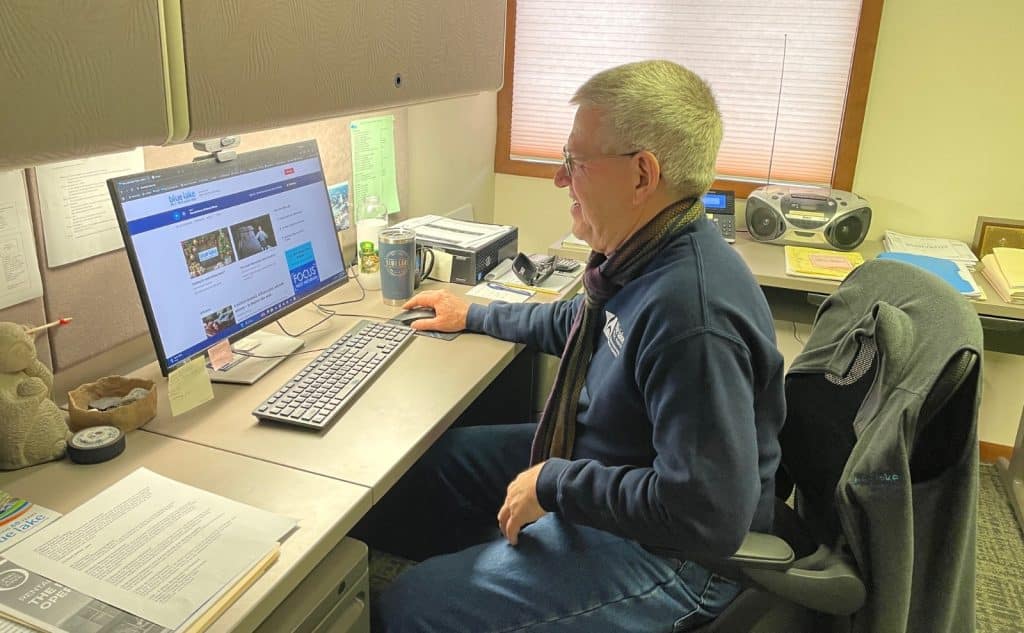
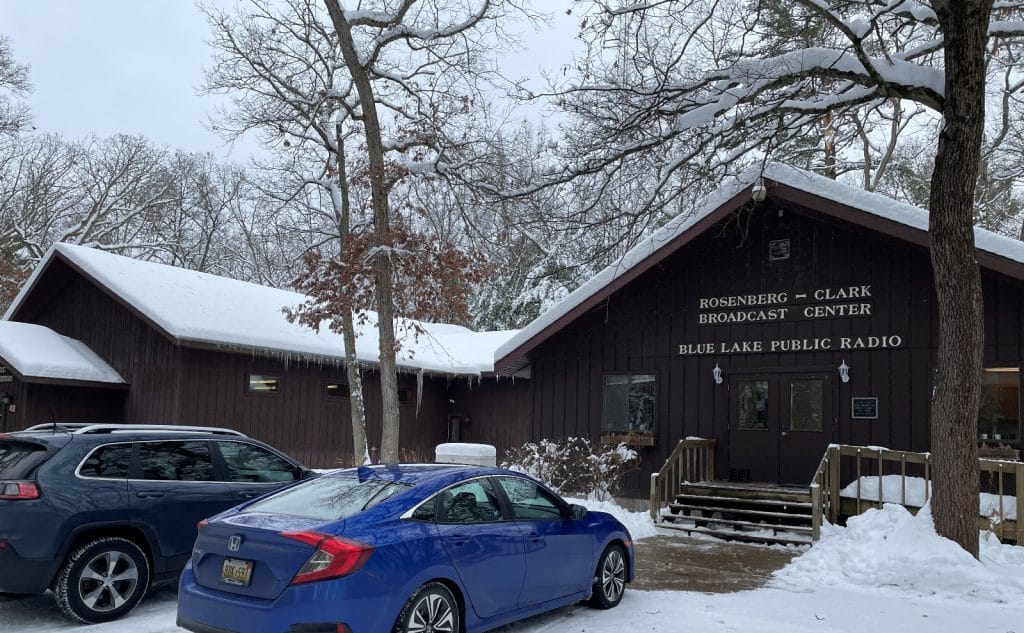
Tucked in the woods of northern Muskegon County, Blue Lake Public Radio is a familiar companion to those who support West Michigan’s performing arts community.
The station, part of the Blue Lake Fine Arts Camp, reaches listeners across 18 counties. It broadcasts as WBLV-FM, 90.3 in Muskegon, and WBLU-FM, 88.9 in Grand Rapids. Blue Lake Public Radio also streams through its website and free listening apps.
Holland Symphony Orchestra and St. Cecilia Music Center are among the arts organizations that depend on the connection. It helps them reach listeners most likely to attend performances and support fundraising efforts.
“We really are the base audience for orchestras,” explains station director Klay Woodworth. “You can reach out for new audiences a million different ways, but if you want the people who actually come to concerts, radio like this still matters.”
‘Beacon of light’
Holland Symphony Orchestra CEO Michael Naess agrees, as both an arts administrator and listener.
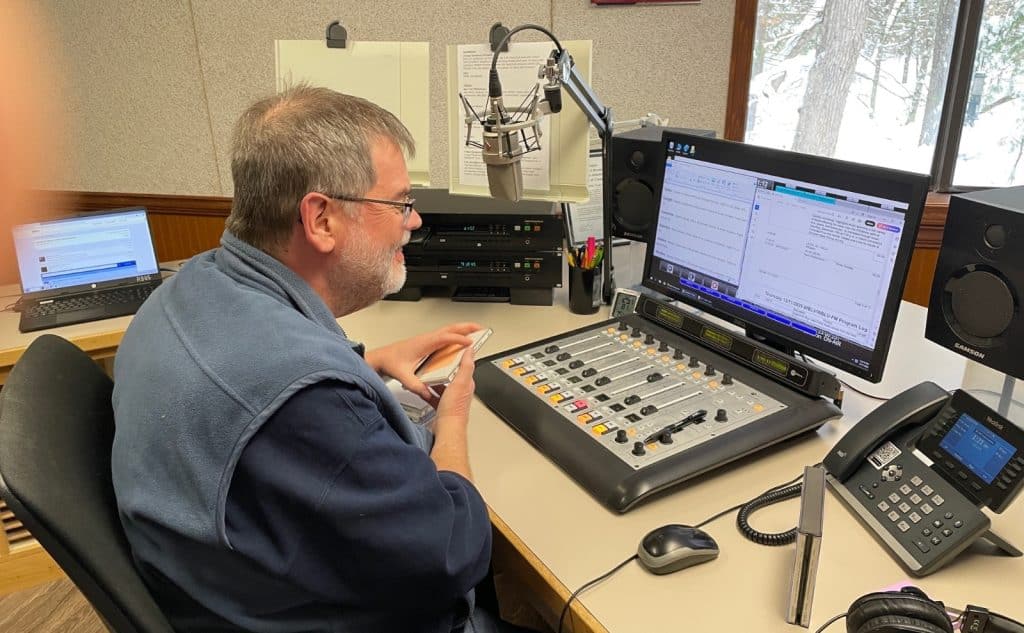
“Blue Lake Radio is always a beacon of light during my 45-minute commute back and forth between work and home,” he says. “Well-informed DJs like Foley Schuler and Norm Kittelson select fantastic works from classical to romantic, 20th century to new age, and supply just enough context for each piece to engage both the classical music aficionado and neophyte.
That thoughtful curation directly impacts attendance and donor engagement.
“The station is crucial for the survival of West Michigan orchestras, as a large portion of our audience members and donors are avid listeners and find out about our events through Blue Lake Radio,” Naess says.
In Grand Rapids, St. Cecilia Music Center’s relationship with the station goes beyond traditional advertising.
“St. Cecilia Music Center has partnered with Blue Lake Radio for decades to help promote the live music we present at our venue,” says Cathy Holbrook, executive and artistic director of St. Cecilia.
“Not only do they help by doing promotional spots about our three different series and the concerts on each, which include chamber music, jazz, and folk shows, but their programmers regularly do one-on-one interviews with our visiting artists that allow listeners to be more in touch with who these artists are and what makes them special. It’s great to have committed partners to help us spread the word in such a meaningful way about the programs at SCMC.”
Original programming
With a staff of just seven, the station produces 17 hours of original programming each day, a level of output that rivals or exceeds much larger public radio operations.
The station’s listeners tend to be older, highly educated, and deeply involved in their communities, according to recent surveys.
“These are people who volunteer, who support nonprofits, who go to concerts,” Woodworth says. “They’re the backbone of the arts audience in West Michigan.”
The station also serves a critical public safety role, acting as the Emergency Alert System link for Lake, Mason, and Oceana counties. These areas have limited media infrastructure and some of the highest poverty rates in the state.
But mission comes at a cost.
The past year has been particularly challenging. Like many nonprofit arts and media organizations, the station experienced a sudden and significant financial shortfall.
The biggest blow came when the federal government rescinded a Community Service Grant from the Corporation for Public Broadcasting.
“About 15% of our budget just evaporated,” Woodworth says. “That’s not an abstract number. For us, that was roughly $120,000.”
In addition, the station was hit by a mix of reduced underwriting, softer advertising markets, and broader economic uncertainty affecting donors and sponsors alike.
“We’re small,” Woodworth says. “Our supporters are generous, but they can’t just magically make up that kind of gap every year.”
Gave up news for music
Over the summer, Blue Lake Radio stopped airing NPR news programming and became a full-time music station. The timing coincided with the station’s financial challenges, leading some to see the move as a budget decision. Woodworth said that wasn’t the case.
“This was something we’d been planning for about 18 months,” he said. “We’ve never had journalists on staff. We’re licensed to a music camp. At our core, we are a music organization.”
NPR news programming required significant annual fees, and listeners in the station’s coverage area already had access to multiple other NPR news stations.
“In most of the communities we serve, people had two or three other places they could go for Morning Edition or All Things Considered,” Woodworth says. “What they didn’t have was another station doing what we do.”
By letting go of news, the station freed resources to focus on classical, jazz, and locally produced arts programming, content that directly supports regional performers, venues, and cultural institutions.
“We decided to do what we do best and let others do what they do,” Woodworth says.
Serves crucial function
The last year has been particularly challenging for arts organizations, which are facing declining corporate support, reduced government funding, and rising operational costs. However, Woodworth believes the station’s role as a cultural connector is more important than ever.
“When times get hard, the arts are often treated as optional,” he says. “But music and art are fundamental to how people cope, connect, and make meaning.”
From youth orchestra camps and adult amateur ensembles to professional concert halls, the station helps sustain a continuum of music-making across West Michigan.
“We may be out in the woods,” Woodworth said, “but what we do connects people, across counties, across generations, and across the entire performing arts community.”
Photos provided by Klay Woodworth.
Related Articles
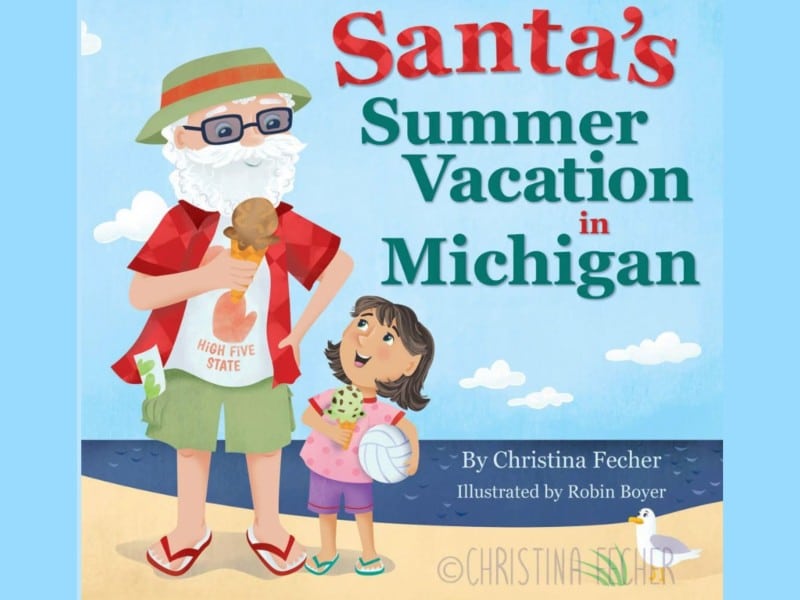
Muskegon author’s longtime dream comes true with published children’s book
After a decade of determination, Christina Fecher celebrates her debut children’s book, Santa’s Summer Vacation in Michigan, and inspires others to pursue long-held creative dreams.
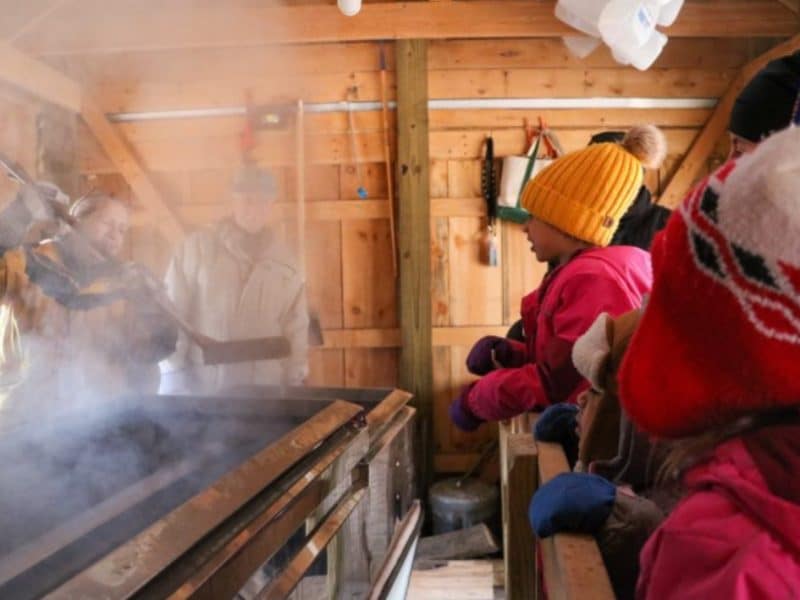
March things to do: St. Patrick’s Day events, youth concerts and art, and tapping sugar maple trees
In addition to usual suspects — music, movies, art, history, and crafts — don’t miss the business expo, home show, garden classes, blood drive, StoryWalk, egg hunts, and more in this month’s calendar.
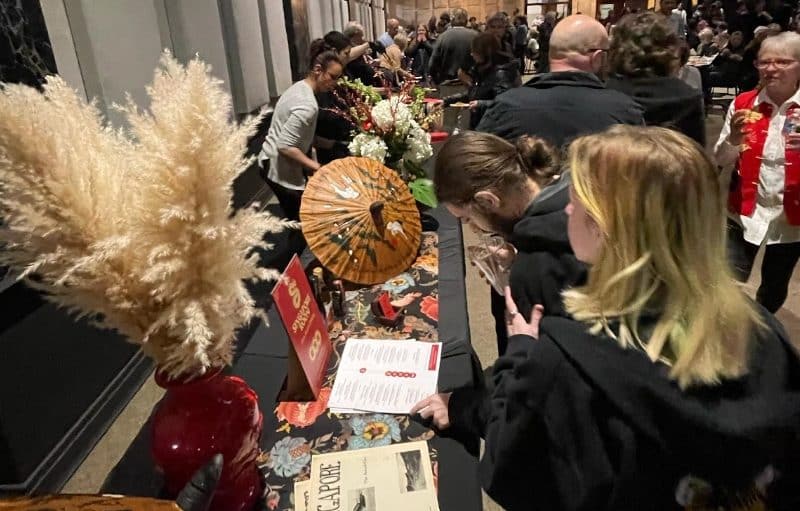
Rotary cookoff celebrates culture, community, and global flavors
An international food festival returns to Holland, uniting Rotary clubs, minority-owned restaurants, and communities through culture, service, and shared meals.