Peer support groups help people with disabilities find community
Disability Network Northern Michigan programs help participants build friendships, gain confidence, and feel less alone through peer support and shared experiences.
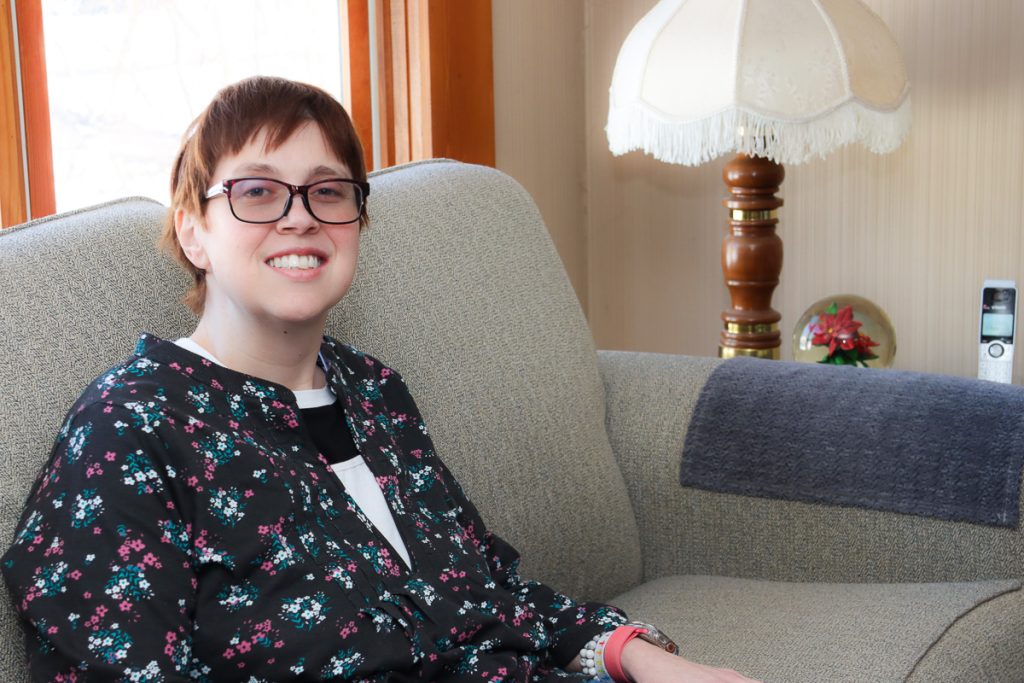
When Duncan Callahan joined Disability Network Northern Michigan, he was looking for something many people with disabilities need but often lack: a community.
Five months later, the 25-year-old volunteer says the peer support groups helped him feel more confident, make friends and find a sense of purpose.
“Those differences have a habit of making us feel isolated and lonely,” Callahan says. “The groups allow us to not feel so lonely anymore. We can laugh, have friends, and belong.”
His story illustrates a problem many people with disabilities face. Some feel alone, have trouble making friends, and do not always get chances to join community activities.
Betsy Lyman had similar struggles after she lost her job and learned she could not work anymore because of mental health and learning challenges.
“Michigan Rehabilitation Services suggested I get involved so I would have something to do,” Lyman says. “They told me to find activities so I wouldn’t feel so isolated and lonely.”
Now 40, Lyman says peer groups helped rebuild connections she feared were gone.
“It makes you feel not so alone,” she says. “You realize there are people who care about you and support you no matter what.”
Building on shared experiences
Disability Network Northern Michigan has spent years developing peer support programs designed to address those barriers.
“It’s not just people experiencing loneliness,” says George Gray, office lead at Disability Network Northern Michigan. “We have a lot of people on the spectrum or who are neurodivergent and may struggle with communication or socialization skills. Being around other people helps them learn how to socialize and make friends.”
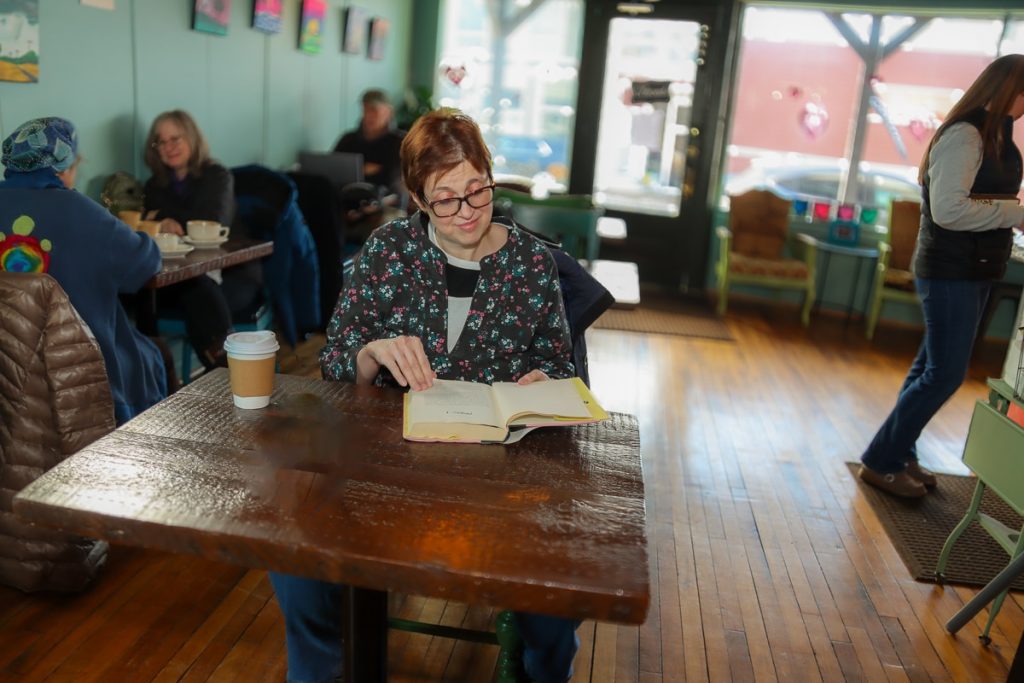
Peer support groups operate on a simple model: people with shared lived experiences support one another through conversation, encouragement, and social interaction. Meetings focus on understanding, shared experiences, and relationship-building rather than clinical treatment.
Gray says the program expanded gradually.
“When I first started here nine years ago, we probably had just one or two peer groups,” he says. “Over the years, it’s multiplied because we saw a need and people kept requesting peer support.”
Many groups begin with participant suggestions.
“Sometimes someone says, ‘I’d like to see a book club,’ or ‘Why don’t we do a garden club?’” Gray says. “These groups are created because of input from the people we serve.”
Participants attend weekly meetings either in person or virtually, increasing access for people facing transportation barriers, health concerns, or social anxiety.
During the first quarter of the organization’s fiscal year, October through December 2025, Disability Network Northern Michigan recorded 52 people participating in peer support programming, according to Lacey Rouse, quality assurance and compliance specialist.
Loneliness is not tracked as a specific data point, Rouse says, though nine participants disclosed mental health disabilities such as depression or anxiety, conditions often connected with seeking peer support.
Gray says many participants arrive facing such challenges.
“We serve a high population of people with depression and anxiety,” he says. “I would say the majority of people coming through our doors probably experience some loneliness.”
Data also shows 22 participants were between 19 and 26, a period when many young adults transition from school into adulthood and look for new social connections.
Covering many interests
Current peer support offerings include a men’s group, women’s group, Arts for All, Peer Advocacy, Exercise for All, book club and crochet group.
Callahan, who identifies as having cerebral palsy and autism, says flexibility in how groups are offered matters.
“I prefer in-person most of the time because it’s easier to connect with people if they’re closer to me,” he says. “But having the choice really matters.”
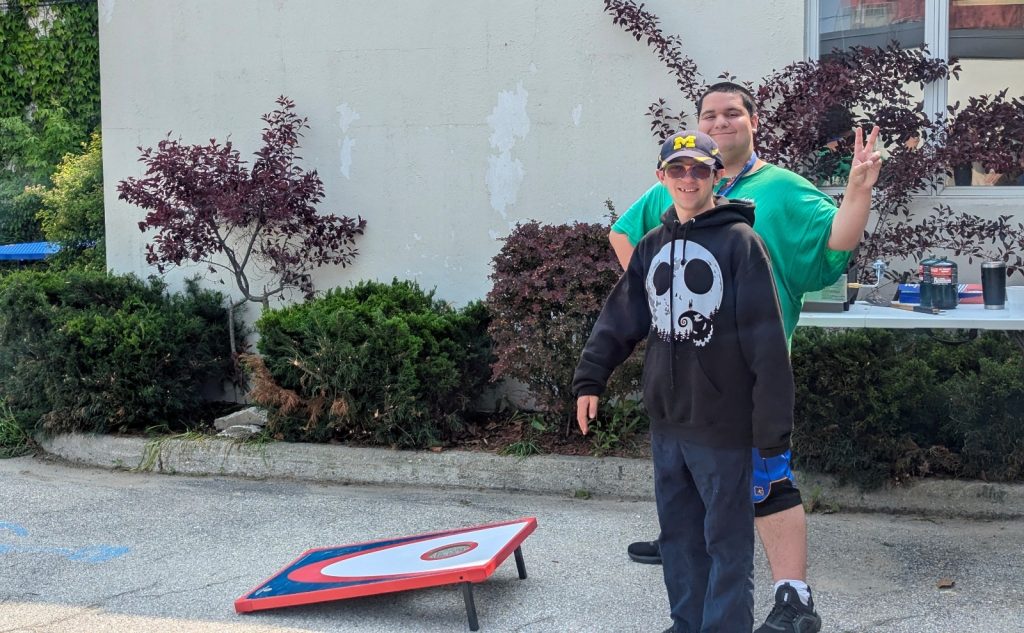
He participates in a men’s peer group and Spirit Club, an adaptive exercise program.
In the men’s group, conversations cover everyday experiences and shared interests.
“By keeping the topics broad, people can more easily find common ground,” Callahan says.
That common ground has led to friendships.
“I have a few friends, actually,” he says.
Lyman says she has participated in many programs over the years.
“I’ve done peer advocacy, the women’s group, the tech group, the book club, Arts for All and the cooking group,” she says. “My favorite part is meeting other people and getting to know my community.”
Virtual options allow her to stay involved despite living outside Traverse City.
“Getting to know other people like me and forming that community has been really important,” she says. “We want to be part of the community, and we want to advocate for people like us so we all have a voice.”
Spirit Club adds physical activity to social connection. Cerebral palsy affects Callahan’s mobility from the waist down, and he says structured exercise helps him maintain his health.
“It allows me to keep my body healthy even though I can’t move around quite as well,” he says.
Understanding each other
Peer groups create spaces where participants can share experiences without needing lengthy explanations.
“When people have a safe place to come and share their story, they realize they’re not alone,” Gray says. “A lot of times their stories are very similar.”
Callahan says that understanding changed his outlook quickly.
“My family didn’t really get out much when I was younger,” he says. “That kind of bred isolation, which made me lonely.”
“It really helped me come out of my shell,” he says. “It’s had a big impact in just a few months.”
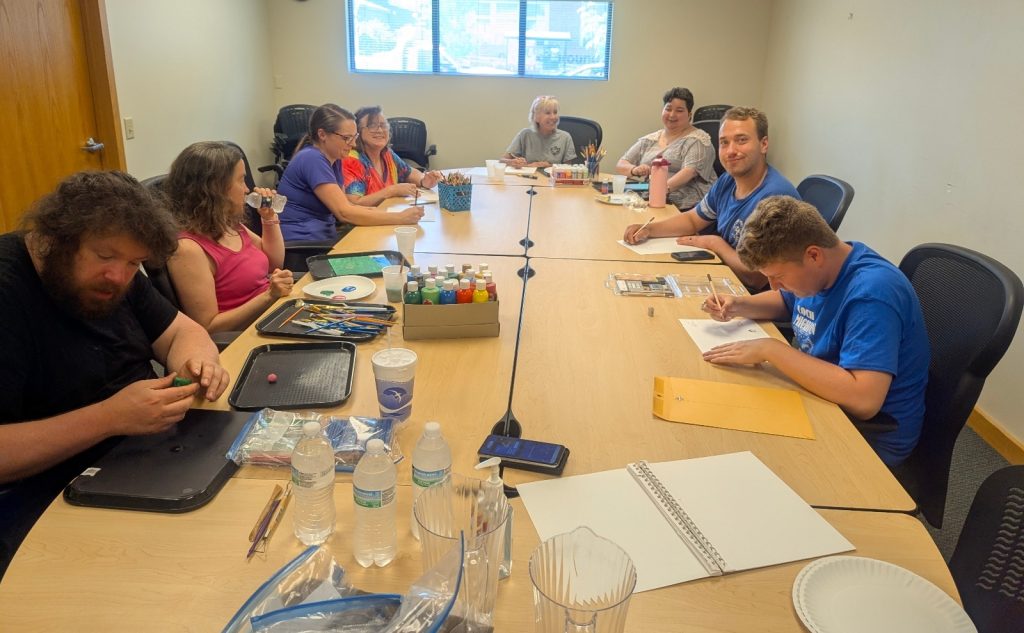
Lyman says support extends beyond conversation.
“People understand your good days and your bad days because they go through the same things,” she says. “Without Disability Network, I’d be lost trying to figure out resources or paperwork.”
“This world is big, and you don’t know where everything is if you don’t have that connection,” she adds.
Activities for all
Peer support also happens outside weekly meetings. The organization plans fun events, shared meals and activities where people can learn new skills and spend time together.
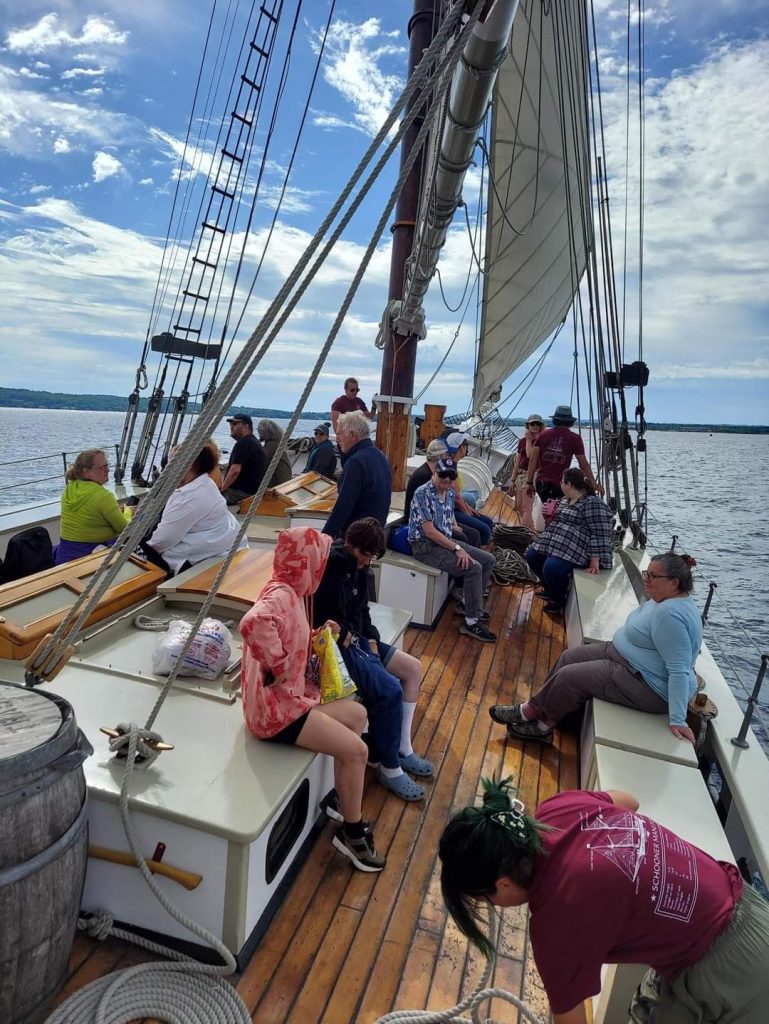
One annual highlight is a tall ship cruise on Grand Traverse Bay.
“Anyone affiliated with Disability Network can attend at no cost,” Gray says. “We take them out on the tall ship, and people love that.”
Lyman says the experience stands out among her favorite memories.
“The sailing trip was really fun because I had never done anything like that before,” she says. “You build friendships and learn people’s life stories.”
Adaptive cooking classes also help participants build independence.
“We learned how to cook using adaptive tools that work for us instead of against us,” Lyman says.
Callahan’s involvement now includes volunteering at the front desk twice a week.
“People have gone out of their way to tell me my assistance really helps,” he says. “That’s really nice to hear.”
He also writes articles for the organization.
“I feel blessed that I can communicate how I feel,” he says. “It helps me share what others might also be experiencing.”
Gray recalls participants whose lives changed after joining peer programs.
One woman who did not have a home joined peer groups while getting help finding a job.
“She gained confidence, found employment, and secured housing,” Gray says. “She worked her way off Social Security benefits and is now thriving in the community.”
A recent Friendsgiving meal served about 100 people and provided another opportunity for connection.
“People came together for a meal and socialized,” Gray says. “It really gave people a sense of community.”
‘Give it a try’
Programs continue to face constraints.
“Funding can sometimes be an issue,” Gray says. “A lot of our funding comes from state and federal sources, and every year it seems to be reduced.”
The shortage of funds makes it difficult to grow the programs, even though more people want to join. Help from local groups and community donations keeps the programs going.
Callahan says the first step is just to come and check it out.
“I know it might be scary,” he says. “But at least give it a try.”
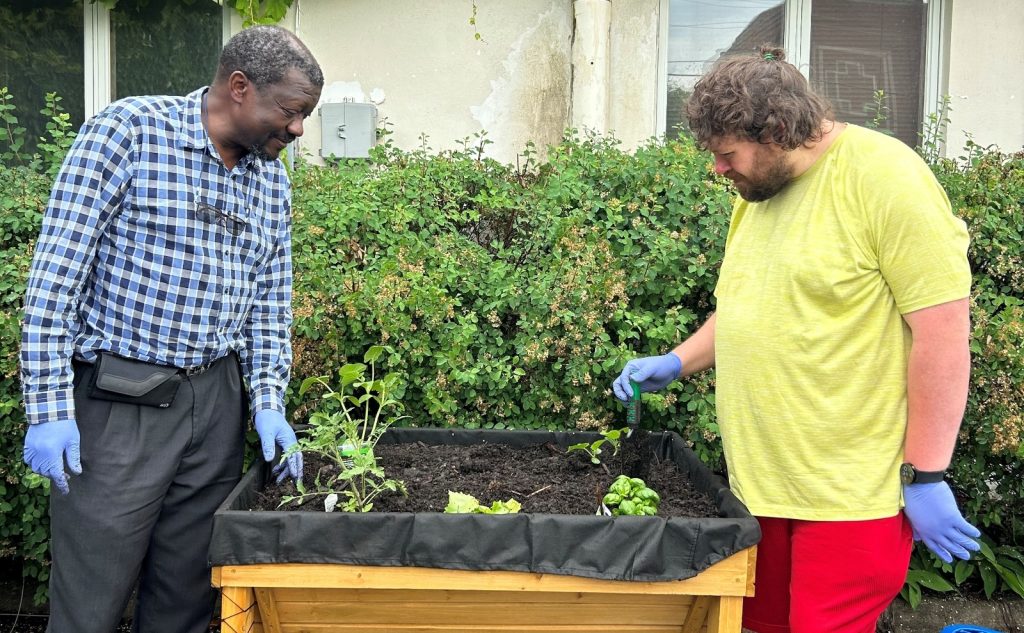
One visit can help someone feel like they belong.
“If someone worries they won’t fit in because they feel too different, those worries aren’t unfounded,” Callahan says. “But odds are they’re going to find someone at least like them.”
Lyman agrees.
“You don’t realize how important that support is until you really think about it,” she says. “We have a community of support, and that makes a big difference.”
The peer programs at Disability Network Northern Michigan bring people together so they feel less alone, more confident and happier.
“Having opportunities like this is going to be very healthy in the long term,” Callahan says.
His takeaway remains simple.
“The last thing you want to do with someone who feels lonely or too different is isolate them,” he says. “Never, ever do that.”
Photos by DNNM and Tommy Allen
The multi-regional Disability Inclusion series is made possible through a partnership with Centers for Independent Living organizations across West Michigan.
Author