Local networks, real results: Success stories from Michigan’s CMHs
Michigan’s community mental health agencies serve as lifelines and innovators.
Across Michigan, community mental health agencies (CMHs) are serving as lifelines and innovators for residents navigating serious mental illness, substance use, and developmental disabilities. These locally run systems have been refining care models for decades, building partnerships with hospitals, schools, and law enforcement to ensure people can access care close to home.
A proven model of community-based care
Alan Bolter, associate director of the Community Mental Health Association of Michigan (CMHAM), says the state’s public CMH network has quietly become a hub of innovation in diverting people from jail, caring for people in crisis, and serving the unhoused.

“Our members do tons and tons of housing work,” Bolter says, noting that CMHs like Allegan County’s OnPoint run the state’s Housing Assessment and Resource Agency program, connecting residents facing homelessness with assistance and stable housing.
Bolter also highlights the many partnerships that have transformed public safety and access to care.
“In Sanilac County, every police department has an iPad that connects directly to a CMH clinician. If a deputy encounters someone in crisis, they can link immediately to a mental health professional,” he says. “It’s a great example of how collaboration saves lives.”
He also points to the success of Kent County’s Network180 crisis stabilization unit, which diverts people from emergency rooms and jails, and Berrien County’s multisystemic therapy program for at-risk youth.
“These are evidence-based, community-grounded solutions that work,” Bolter says. “But they depend on local control, collaboration, and reinvestment in services, not profit margins.”
A recent CMHAM study found nearly 790 distinct integration initiatives across Michigan’s CMHs in 2022-23, up from 626 just a few years prior.
Michigan’s county-based CMH network is designed to keep decision-making local and services community-driven. Each agency functions as a safety net, linking crisis response, therapy, case management, and housing supports under one roof, creating a unified system that responds to community needs.
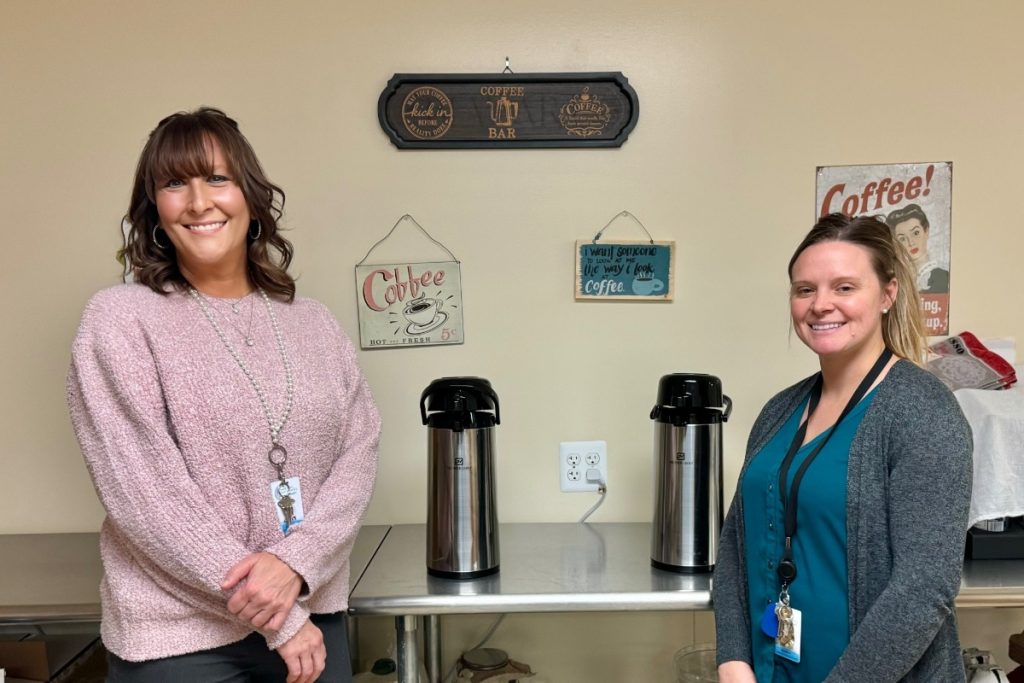
What makes Michigan’s CMHs work
Bolter says the state’s public behavioral health system succeeds because it’s built on trust and collaboration.
“CMHs are the safety net in their counties,” he says. “They’re the conveners, the ones working with schools, police, hospitals, and nonprofits to make sure people get help when they need it.”
Nicole Beagle, chief operating officer at Sanilac County CMH, says that success comes from wraparound support and strong local relationships.
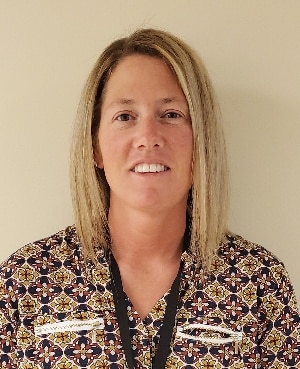
“Our teams know our communities inside and out,” she says. “We serve everyone — from mild to severe cases — and we make sure that crisis intervention, therapy, and case management all work together. When those parts connect, recovery becomes possible.”
Data from the state shows that Michigan’s CMHs use tools like the Child and Adolescent Functional Assessment Scale (CAFAS) and the Preschool and Early Childhood Functional Assessment Scale (PECFAS) to monitor youth outcomes, linking therapy and support to measurable gains in daily functioning.
Beagle highlights partnerships with schools, jails, probation officers, and hospitals as examples of effective collaboration.
“We even co-locate with a primary care office so doctors can flag mental health needs in real time and our staff can step in,” she says. “That doesn’t happen everywhere, but it’s part of what makes our community model thrive.”
From Allegan: access without barriers
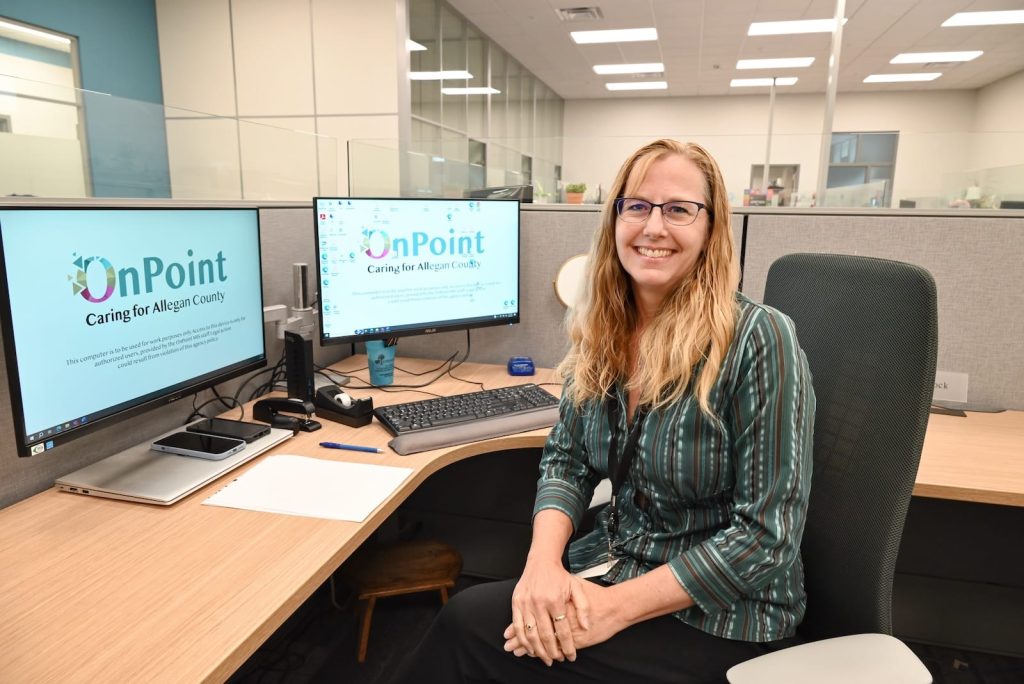
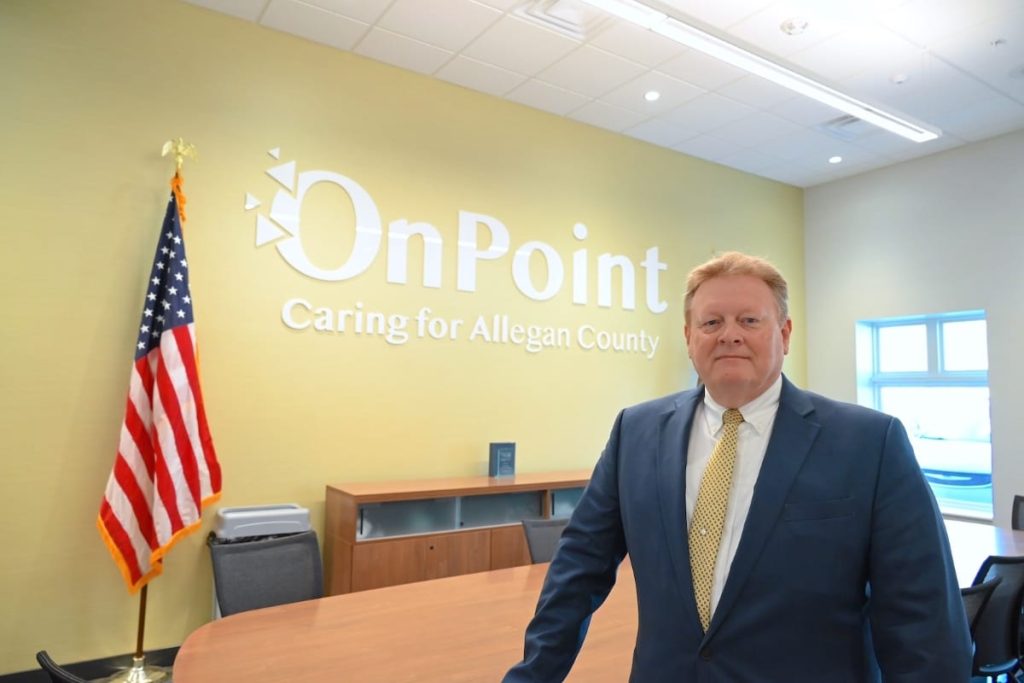
At OnPoint, Allegan County’s CMH, Executive Director Mark Witte says the organization’s strength lies in its accessibility.
“Anyone can walk in our doors any day of the week,” Witte says. “We offer same-day assessments — no waiting, no insurance hurdles. Our job is simply to meet people where they are.”
That philosophy extends beyond outpatient counseling. OnPoint also serves as the county’s housing authority, leasing apartments as temporary shelters for families experiencing homelessness.
“We’re the only CMH in Michigan that serves as a housing authority,” Witte says. “People who walk through our doors can find housing, therapy, medication management, and job support all under one roof.”
OnPoint’s model reflects a broader CMH trend: co-locating housing, therapy, medication management, and job support under one roof, a strategy identified in Michigan’s integration surveys as key to reducing barriers.
He credits his staff’s compassion as the heart of the agency’s success.
“Our team is incredibly skilled and deeply connected to this community,” he says. “Many of them have personal experiences that give them empathy for the people we serve. That compassion drives the quality of care.”
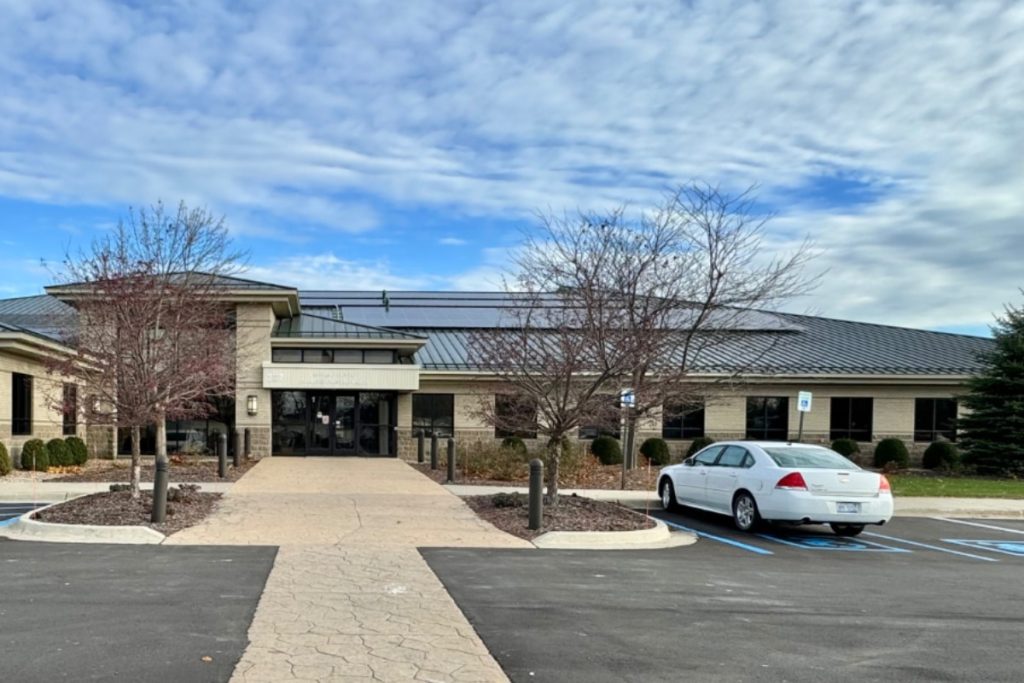
From Sanilac: systems that work together
In Sanilac County, Beagle emphasizes that CMH success isn’t about any single program. It’s about how all the parts work together.
“We serve everyone from mild to severe cases,” Beagle says. “Crisis intervention, case management, therapy, each one depends on the other. It’s a system built to respond holistically, not just bill for services.”
Beagle highlights Sanilac CMH’s unique community partnerships as critical to that holistic model. Data shows that when CMHs partner with jails and hospitals, the rate of frequent crisis visits often drops. One Michigan study found that more than half of individuals identified with serious mental illness at jail intake were already known to a CMH program.
“Our partnerships with schools, hospitals, and community organizations help people stay connected and supported,” Beagle adds. “That’s how recovery happens, when people know they’re not alone.”
All three leaders agree on one thing: The path forward isn’t resistance to reform, but inclusion in shaping it.
“The people of Michigan deserve a system that answers the call like a fire department locally, quickly, and without barriers,” Witte says. “That’s what community mental health is built to do.”
OnPoint photos by John Grap.
Sanilac County Community Mental Health photos by Leslie Cieplechowicz.
Alan Bolter and Nicole Beagle photos courtesy subjects.
The MI Mental Health series highlights the opportunities that Michigan’s children, teens and adults of all ages have to find the mental health help they need, when and where they need it. It is made possible with funding from the Community Mental Health Association of Michigan, Center for Health and Research Transformation, Genesee Health System, Mental Health Foundation of West Michigan, North Country CMH, Northern Lakes CMH Authority, OnPoint, Sanilac County CMH, St. Clair County CMH, Summit Pointe, and Washtenaw County CMH.
Related Articles

New campaign seeks to reduce Michigan businesses’ food waste by doubling food donations
Community Action House in Holland is among the partners participating in a new initiative led by the nonprofit Michigan Sustainable Business Forum that aims to double the amount of food Michigan businesses donate to food banks and food rescue organizations.

Policies, programs, and research shaping maternal mental health care
How the Center for Health and Research Transformation is working to improve mental health for pregnant and parenting individuals.
SDOH Hubs improve mental and physical health while reducing disparities
The goal is to improve health outcomes, achieve health equity, and remove barriers to opportunity.