“Grateful for what I can do today”: Teen athlete shares story
In her Shore Story, Muskegon teen athlete Grace Offman writes about living with a rare disease, saying it taught her to be “grateful for what I can do today.”
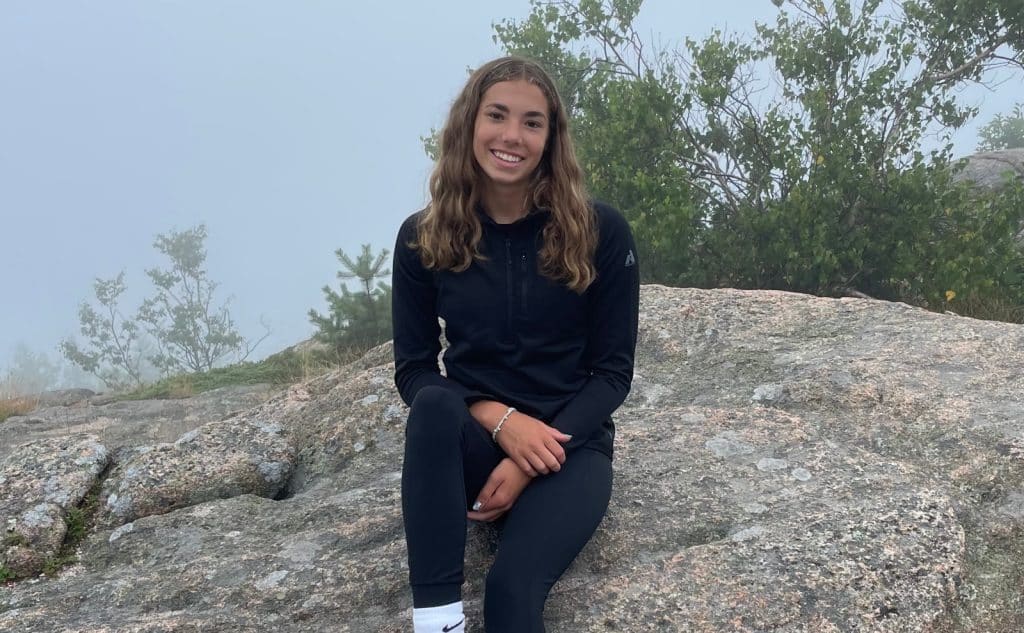
This is part of the Shore Stories: Life Along the Lakeshore series, which includes columns by local and former residents about how people are making a difference along the Lakeshore.
Most people think of a disability as a physical difference they can clearly see. What they don’t understand is that many live with less visible disabilities – like I do.
I had a childhood full of activity and sports. But doctors began to notice a change in my reflexes, and they took note of some minor differences in the way I walk. I developed pain and weakness in my feet. After months of testing and doctor’s visits, I received my diagnosis of the neurodegenerative disease Hereditary Spastic Paraplegia (HSP). At age 15, it was mentally challenging. In some aspects, it was comforting to finally have a diagnosis, but hard that no one could see my struggles.
If you Google this disease, it is scary: leg braces, wheelchairs, pain. I had no promise on how long I would be able to walk. I was scared, and because this was so rare, I had no one to talk to. No one could see the chronic pain or fatigue or understand the struggles I was having. I felt isolated, and at one point even made a list of activities I wanted to do before I could no longer walk.
Tough for a teenager
Acceptance is everything to teenagers; they are caught up in who is most popular, the prettiest, or where the next party is. Dealing with my diagnosis as a teenager was so difficult. I was still trying to be accepted, but my struggles weren’t easily noticed. I often wondered if my coaches thought I was lazy. Some students even told me I was “faking it.” In that isolation, I had horrible thoughts in my head that it would be easier to be understood if I needed leg braces or a walker. I feel guilty about that, especially when I saw people who were diagnosed at the same time as me in a wheelchair, or these happy little kids who never had the chance to walk.
Thankfully, the disease has progressed very slowly, and doctors think my particular version of this disease will allow me to be able to walk into adulthood. I still have challenges: My legs become heavy when I walk, the muscles in my feet have become weak, and because the muscles do not get nerve signals, I have painful spasms at times. Neuropathic pain is notoriously difficult to treat, and I often have a hard time explaining the sensation because it’s not something like a broken bone that you can see with an X-ray. Although I have difficulties, I can currently go on hikes, surf, and swim competitively, although I have my limitations. I tend to skip some activities with friends out of fear of not being able to keep up or tripping, but I always try my best.
Community of support
I have found inspiration and gratitude by being part of a community with a surprising number of people with disabilities. Support groups and involvement in parasports have introduced me to a community of people who accept you and support you no matter what. The strength of people with struggles greater than mine opened my eyes to the strength within me. I have realized that while the negative voices might be the loudest in your head, they’re not the only voices worth hearing. This has taught me to be grateful for what I can do today. It has taught me that there are supportive people out there, and I value those friends who have stuck by me. These groups of people have also encouraged me to spread my voice and advocate for myself and others by sharing the good and the bad.
Hereditary Spastic Paraplegia is a rare disease, and because of that, it gets less research funding. The Spastic Paraplegia Foundation provides people with support and funding for research and is always accepting donations.
It is said that one in 10 people in Michigan is affected by a rare disease. Many of these people might not have an obvious struggle when you walk by them on the street. So be patient, be empathetic, and choose kindness – you never know what is going on in someone’s life.
Grace Offman is a senior at North Muskegon and plans to attend GVSU in the fall, majoring in elementary education. She loves fishing, swimming, shopping, hangingout with her younger sister, and serving on the Youth Advisory Council. In 2024, she competed in The Hartford Nationals, the nation’s largest and longest-running adaptive sports championship.
Related Articles
LAUP expands bilingual mental health access for Latino families
New initiative offers free culturally responsive counseling, health worker support, and barrier-free care for Spanish-speaking residents in Holland and Zeeland.

Health center trains local residents as dental assistants to fill workforce gaps
HealthLinc, a federally qualified health center covers training costs while preparing local residents for dental assistant jobs, strengthening workforce pipelines and expanding access to care.
Community foundation awards $551K in grants across Northwest Ottawa County
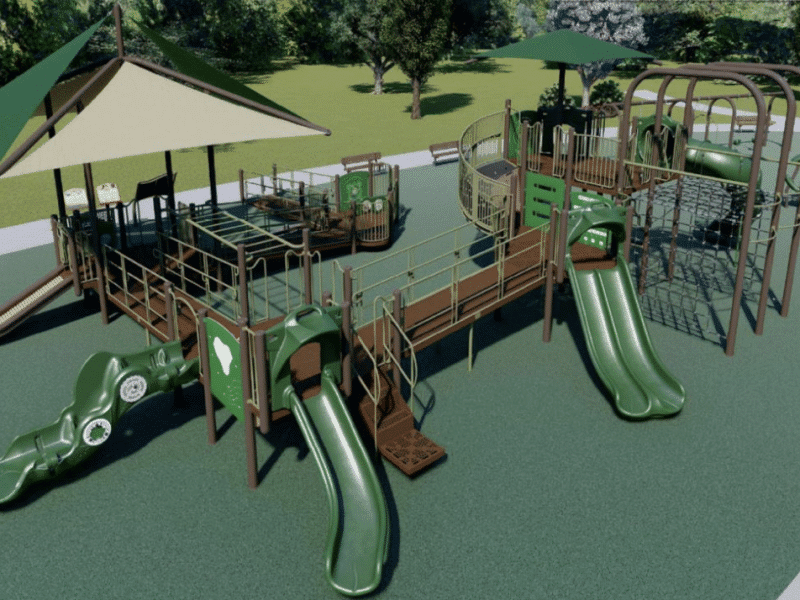
Grand Haven Area Community Foundation awards $551,000 in grants, including $250,000 to redevelop Spring Lake’s North Bank Park.