Spring Lake’s shared public DPW model shows power of trust
For a decade, Spring Lake village and township have shared a public works department built on trust, improving efficiency, stretching tax dollars, and delivering better services without raising costs.
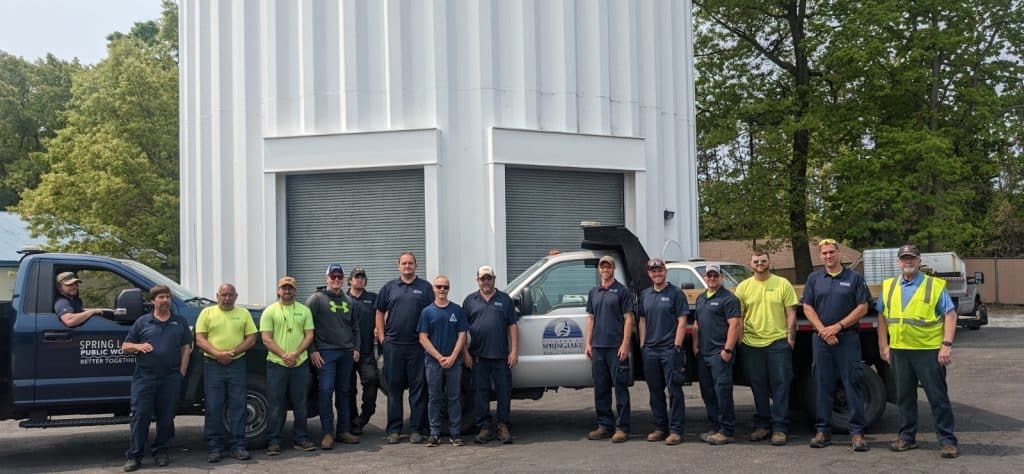
For more than a decade, the Village of Spring and Spring Lake Township have shared a Department of Public Works. This collaboration, local leaders say, has helped stretch tax dollars, improved services, and built a rare level of trust between the two neighboring governments.
The partnership did not begin with a formal proposal or financial mandate. It is rooted in conversations.
“It really just started with simple questions,” says Spring Lake Township Manager Gordon Gallagher, who has worked for the township for 18 years. “Getting together, having a meeting, having some donuts and coffee, and just talking.”
At the time, the village and the township operated independently with separate staff, equipment, and facilities. As discussions continued, elected leaders began identifying small opportunities to work together without compromising their individual responsibilities.
In 2015, the township moved administrative employees into Village Hall from the former township offices across the street, and work began on sharing a DPW Department to cut costs and share equipment. The township and village now share a public works director and staff, but Spring Lake Township still has a garage in the township, and the village of Spring Lake still maintains a garage in the village.
A similar arrangement was created after a retirement from the township’s planning department. Rather than filling the position separately, the two communities decided to share planning staff.
Tracking, allocating costs
The DPW arrangement began with a shared receptionist and grew over time. Now that the shared department provides a range of services from fall leaf pickup to plowing snow, it’s a little more complicated.
Costs are carefully tracked to ensure each community pays only for the services it receives.
“We are relentless about making sure the township doesn’t enrich the village and the village doesn’t enrich the township,” Gallagher says. “We track all the hours and all the equipment. What works for the village is the same as what works for the township.”
But the taxpayers are blissfully unaware of all the behind-the-scenes workings.
“They see the same faces and the same level of service. Maybe even a little better,” says Gallagher.
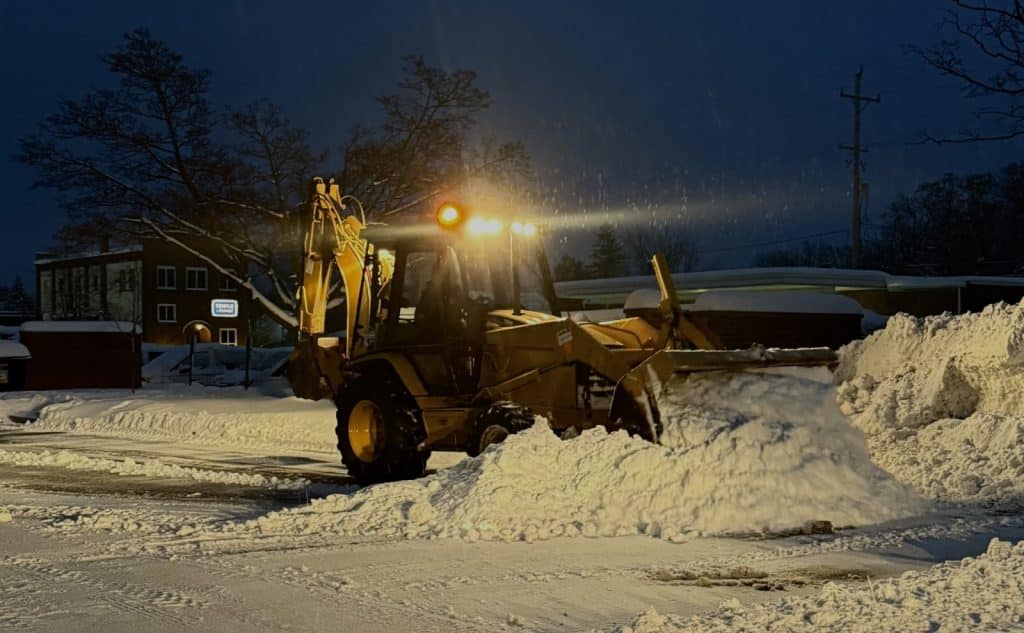
In winter, for example, the village plows its own streets while the township relies on county road crews. Before the departments combined, village staff could be stretched thin during these heavy snow times.
“With a shared department, we can bring more people to the same issue and resolve it quicker and better,” Gallagher says. “The village still pays for that work, but now they have more time to draw from.”
The same staffing flexibility helps during the summer when park maintenance and infrastructure projects require additional manpower.
Better service for the money
Brady Selner, the village manager, says the collaboration has helped Spring Lake meet service expectations without repeatedly asking taxpayers for more money.

“Rather than going to residents and saying, ‘We need more or a new millage,’ we found a way to do it more efficiently,” Selner says.
In some cases, the savings are straightforward. By sharing a public works director, they can save. Other savings come through shared capital equipment. Heavy machinery, such as backhoes, can cost between $75,000 and $100,000 each.
“If we only need to replace one instead of two, that’s real savings,” Gallagher says. “Or we can invest in better equipment that serves everyone.”
This happened with a specialized valve-turning machine used to maintain underground water infrastructure equipment. The tool, which helps prevent system failures and reduces the risk of costly emergency repairs, wasn’t affordable without collaboration.
“A lot of times, collaboration doesn’t happen because people get entrenched in boundaries,” he says. “This model requires constant communication and transparency. Without that, it wouldn’t work.”
Selner agrees, emphasizing that trust had to come before any operational changes.

“You have to understand that everyone is trying to make their community better,” Selner says. “As village manager, my responsibility is to the village. The township has to do the same. But that doesn’t mean you can’t work together.”
That trust has grown through regular joint meetings with administrators and elected officials from both communities. Those meetings allow leaders to review finances, discuss service levels, and address concerns early.
Selner says that approach was critical during the early stages of sharing.
“It wasn’t about big wins,” he says. “It was little conversations over time that built relationships.”
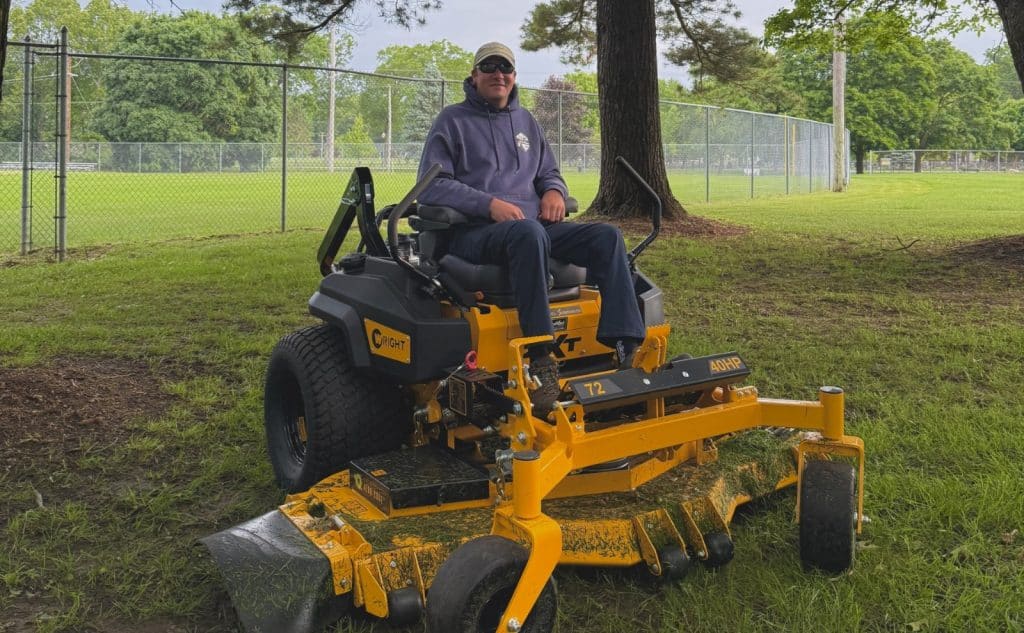
A simple principle guided the process.
“You need to build a bridge before you try to walk over it,” he says. “Just meeting, breaking bread, getting to know each other. That’s where it starts.”
Selner says he was fortunate to walk into this collaborative environment.
“From what I have experienced since working here just under two years, this happened because of the consistent communication throughout the years, and this seemed to be instrumental in the early stages.”
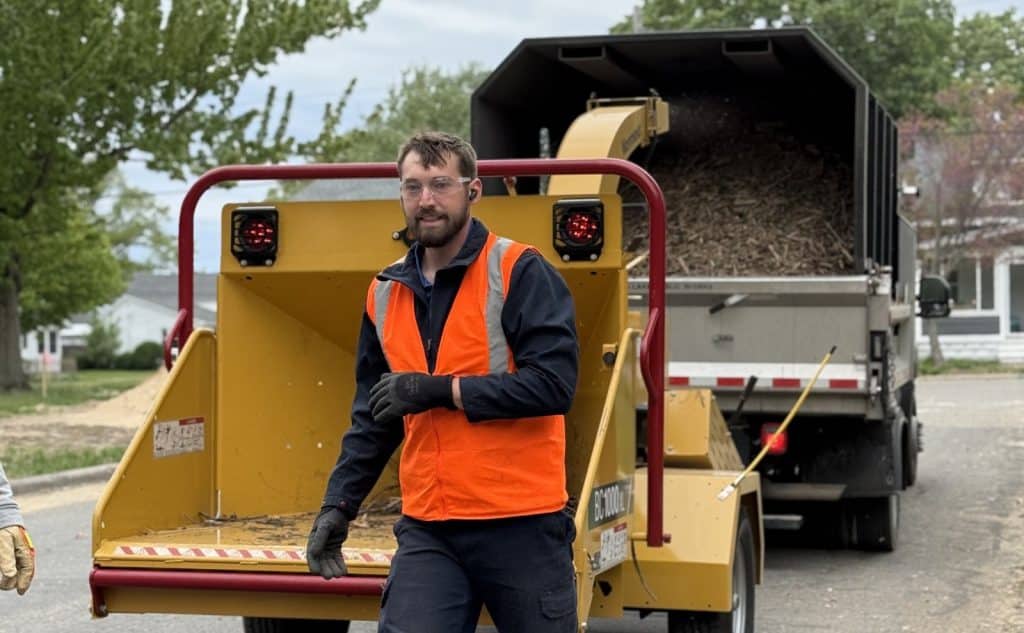
Likewise, Gallagher credits the collaboration and efforts of local leaders.
“I don’t feel like I was the guiding force,” Gallagher says. “I just feel fortunate to have been around the table when leaders decided to sit down and talk.”
Photos courtesy of Spring Lake Township and the Village of Spring Lake
Author

Related Articles
How a gaming group created a friendship circle for people with disabilities
Disability Network Northern Michigan’s gaming group reduced isolation, inspired friendships, and even inspired an effort to create a nonprofit for railroad preservation.
Former resident’s gift helps transform Spring Lake Library community spaces
Fred Harring’s donation funds expanded programming, outdoor gathering areas, and accessibility improvements at Spring Lake District Library.
Saugatuck Township Hall redesign aims to spark development of walkable corridor
Saugatuck Township is transforming its dated offices into an accessible plaza, modeling community-driven development and the vision of a walkable corridor along Blue Star Highway.